
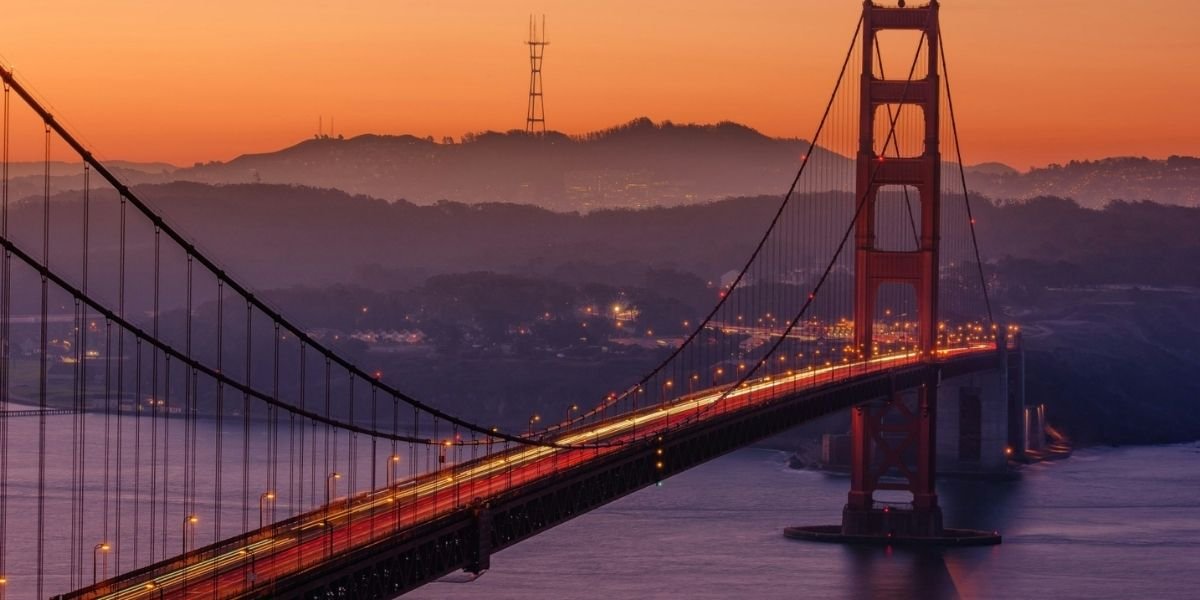









San Francisco’s real estate market is heating up again, and it’s not just because of the weather. A wave of high-paying AI jobs and a steady push toward return-to-office policies are breathing new life into the city’s housing demand. While some metro areas are still adjusting to post-pandemic shifts, San Francisco is seeing a clear uptick in buyer interest, competitive listings, and urban reinvestment.
The city’s tech-driven economy has always played a role in shaping its real estate market, but this moment feels different. The combination of AI-fueled salaries and renewed workplace presence is creating a ripple effect that’s being felt from SoMa to the Sunset.
AI Salaries Are Reshaping Buyer Behavior
Artificial intelligence isn’t just changing how people work, it’s changing how they live. Engineers, researchers, and product leads in AI are now earning salaries that rival executive compensation. Six-figure base pay is common, and equity packages are pushing total earnings into the millions.
This influx of wealth is driving demand for homes in neighborhoods that offer both comfort and proximity to tech hubs. Areas like Noe Valley, Mission Dolores, and Pacific Heights are seeing increased activity, with buyers looking for smart home features, privacy, and walkable access to downtown.
The commercial side isn’t quiet either. AI startups and enterprise labs are leasing flexible spaces that support hybrid teams and rapid growth. As covered in recent warehouse leasing insights, the demand for adaptable square footage is rising, especially in zones with strong transit access and zoning flexibility.
Return-to-Office Mandates Are Rebalancing Urban Demand
Remote work changed the rhythm of San Francisco, but return-to-office policies are bringing people back, and with them, a renewed interest in city living. Major employers like Salesforce, Google, and Meta have reinstated in-office requirements, prompting workers to rethink long commutes and suburban sprawl.
This shift is driving demand for homes near downtown, SoMa, and Mission Bay. Renters are prioritizing shorter commutes, while buyers are looking for properties that offer both convenience and community. The real estate market is responding with renovated units, new developments, and pricing strategies that reflect the urgency.
It’s not just about proximity to work, it’s about reconnecting with the city’s energy. After years of remote routines, many residents are seeking the vibrancy of urban life, and that emotional pull is translating into real estate decisions.
Inventory Pressure and Competitive Pricing
Despite the surge in demand, inventory remains tight. Sellers are holding onto properties, waiting for peak pricing, while new construction faces delays and zoning hurdles. This imbalance is creating a seller’s market, with homes often receiving multiple offers above asking.
Agents are advising buyers to move quickly and come prepared. Pre-approval letters, flexible terms, and escalation clauses are becoming standard in competitive bids. It’s a high-stakes environment, but one that reflects the city’s renewed momentum.
Some analysts are watching interest rates and tech valuations closely, but for now, the real estate market is holding steady. The demand is real, and the urgency is being felt across price points.
Tech Growth Is Fueling Long-Term Confidence
San Francisco’s tech sector isn’t just recovering, it’s expanding. AI, biotech, and clean energy are driving new rounds of funding, with venture capital flowing back into the city. This optimism is influencing real estate decisions, as buyers invest not just in homes, but in the city’s future.

Photo Credit: Unsplash.com
The connection between tech growth and housing demand is clear. When companies grow, they need talent, and talent needs places to live. As highlighted in coverage of San Francisco’s AI boom, the city’s innovation economy is once again shaping its real estate market.
Developers are responding with mixed-use projects, transit-oriented designs, and sustainability features that appeal to tech-savvy buyers. The goal is to create housing that reflects the values of the new workforce: efficient, connected, and future-ready.
What This Means for the Bay Area Community
San Francisco’s real estate market is more than a numbers game, it’s a reflection of the city’s identity. Families, founders, and first-time buyers are all navigating the shifts, trying to find their place in a city that’s constantly evolving.
There’s excitement, but also pressure. Rising prices can make homeownership feel out of reach, especially for longtime residents. The challenge is balancing growth with accessibility, ensuring that the city remains livable for everyone, not just those with tech salaries.
Community leaders are exploring solutions, from affordable housing initiatives to zoning reforms. The conversation is ongoing, but the urgency is clear. As the real estate market continues to thrive, the need for inclusive planning becomes more important than ever.


