










By: Owen Prescott
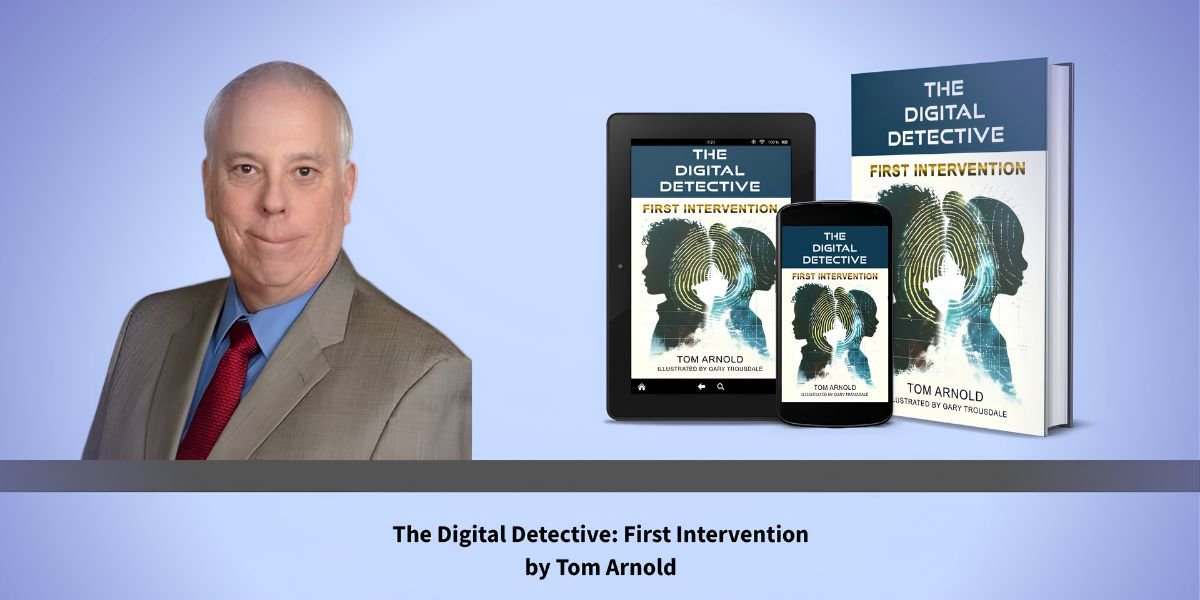
Tom Arnold has spent decades working in cybersecurity and digital forensics, building a career that has taken him from complex breach investigations to testimony before Congress. He knows the technical side of the field deeply.
And when he talks about what young people may need most to navigate the digital world safely, he does not start with technology at all.
He starts with critical thinking.
Why Bad Actors Rely on the Absence of It
Tom explains that cyber criminals often exploit a predictable human tendency: reacting to fear and urgency before thinking. The AI-generated voice of a kidnapped daughter. The romance scam that builds over weeks before making a financial request. The gaming chat that gradually moves from in-game topics to personal information.
All of these depend on the target not stopping to ask the obvious question. What is actually happening here?
Critical thinking, as Tom describes it, means examining a problem orthogonally, looking for perspectives beyond the obvious one, and questioning assumptions before acting on them. False flags and false trails are common bad actor tactics, designed to redirect investigators and victims away from the truth. The investigator who follows only the obvious path can be led exactly where the bad actor wants them.
The same applies to anyone navigating an online world full of people who may not be what they claim to be.
Jason Palmer as a Model
This is part of why Tom built Jason the way he did. JP breaks down problems to identify the best approach before acting. He does not simply react. He analyzes. He considers what he knows, what he does not know, and what the gap between those two things might be telling him.
That problem-solving orientation, Tom suggests, is what connects Jason to the entrepreneurs and leaders who built their careers starting from genuine curiosity about how things work. The mindset that asks why and how before accepting an answer at face value is the same mindset that can support both good investigation and good innovation.
The Curiosity Foundation
Tom’s consistent message for young people interested in technology comes back to healthy curiosity as the starting point. Explore. Learn. Ask questions. Understand how devices actually work rather than just what they do.
That foundation, he argues, is what can help separate people who navigate the digital world confidently from people who remain more vulnerable to those who understand it better than they do.
Curiosity combined with critical thinking is, in his view, one of the most useful digital safety tools a young person can develop. Everything else, including technical skills, security practices, and awareness of specific threats, builds on that foundation.
You cannot think critically about something you have never been curious enough to examine.
If you believe the most valuable thing you can give a young person navigating the internet is the ability to think before they react, The Digital Detective: First Intervention by Tom Arnold is available now on Amazon. Jason Palmer models exactly that, case by case.


