









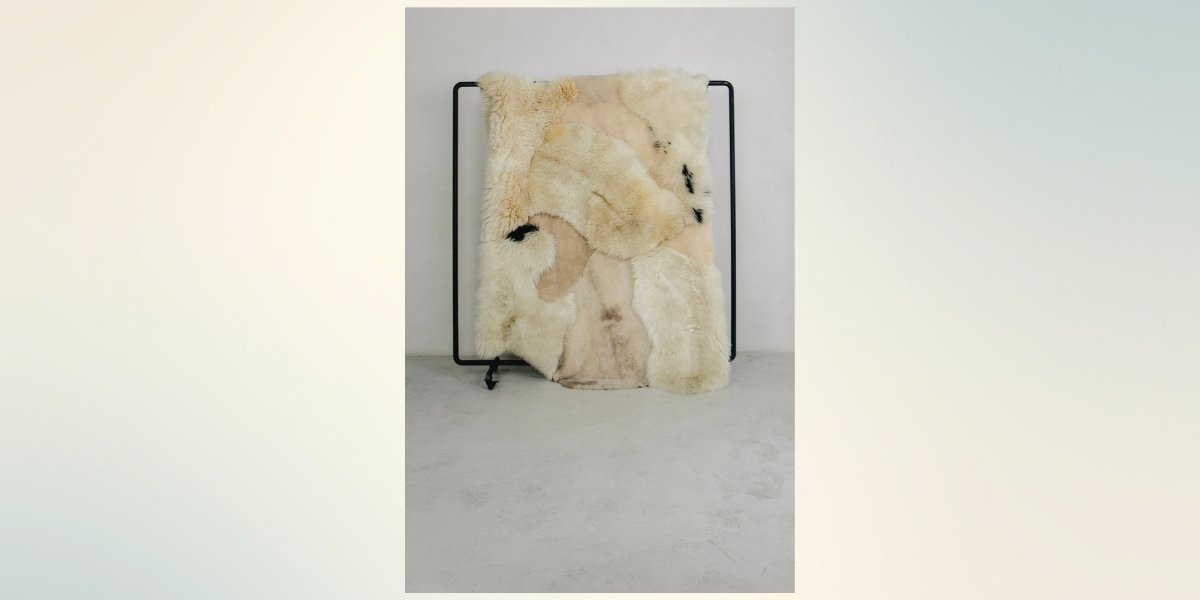
San Francisco’s been quietly pushing a shift that’s only now starting to land in mainstream interior design. The Bay Area’s whole obsession with what goes in your body, the organic groceries and supplements, and everything cold-pressed, has migrated into what surrounds your body once you’re home. Clean living’s officially crossed the threshold, and furniture’s the next thing it’s coming for.
Here’s the part most people miss: a huge chunk of your home is built from materials you’d never put in your mouth.
What’s Actually in Your Living Room
Your average synthetic rug these days is built from some combination of polypropylene, polyester, latex backing, and formaldehyde-based adhesives. Then there’s the flame retardants. Plus stain-resistant chemical treatments on top of all that, and a lot of those are PFAS (the so-called forever chemicals you’ve probably read about by now, tied to a list of health concerns that just keeps getting longer). Off-gasses for months. Sometimes years.
A 2,000-square-foot place in Pacific Heights or Noe Valley, it doesn’t really matter which neighborhood, is absorbing way more synthetic chemistry than the people living there realize. Carpet. Couch. Mattress. Drapes. The whole inventory’s leaching trace VOCs, which are volatile organic compounds, into the air you breathe at night.
Which is sort of why West Coast buyers (especially the tech-adjacent ones) actually started paying attention to what their furniture is made of.
The Natural Fiber Renaissance
You see it in the Marin County farmhouses. The Berkeley craftsman renovations. The new builds in Mill Valley.
Wool. Linen. Cotton. Untreated wood. Real leather (not bonded). And increasingly, sheepskin.
Sheepskin rugs have become something of a quiet status marker for the West Coast wellness-minded buyer. Not the bleached, mass-farmed kind from a big-box retailer (those are tanned with chromium, which kind of defeats the point). The naturally tanned kind, sourced from small farms, where the wool still contains its natural lanolin and the hide hasn’t been stripped by industrial processing.
Brands like East Perry, which uses biobased lactic acid tanning and sources from family-run farms in the European mountains, are filling a gap that the traditional rug industry hasn’t figured out how to compete with.
Why This Hits Different in California
There are a handful of reasons the West Coast was unusually ready for this shift. Indoor-outdoor living’s a big one, since Bay Area homes spend a lot of their time with the doors open, and people start noticing air quality more than they would in some sealed-up Midwest house with the windows shut all year. The wellness ecosystem helps too. When your friend group already cares about EWG ratings (the Environmental Working Group’s product safety scores) and drinks reverse-osmosis water, asking what’s in your rug feels normal instead of weird. There’s also the second-home angle. A lot of buyers are renovating places in Sonoma or Tahoe or somewhere out on the coast, and those projects tend to favor natural materials almost by default. And the climate matters too. California’s weather being what it is, you end up with a lot more bare floors, way fewer wall-to-wall carpets, so rugs become focal points instead of just disappearing into the background.
What Changes When You Swap Synthetic for Natural
People who actually make the switch tend to describe the same effects, almost word for word. The room smells different (no more “new rug” off-gassing, literally). Acoustics change a bit. And temperature regulation in the room shifts noticeably, since wool and sheepskin both insulate way better than synthetics do.
Then there’s the harder thing to quantify. The room just feels different once you’ve done it. Calmer. More grounded.
That’s not nothing. Research on natural materials in interior environments does show restorative effects, reduced mental fatigue, and better attention recovery. Wool’s part of that picture. The “calmer” feeling isn’t invented.
The Practical Considerations
Going natural across an entire home is expensive, no way around it. Almost nobody pulls it off in one go. Most people just start with a single room, and that’s usually the bedroom or the nursery (the air-quality argument hits hardest in those spaces), then they expand from there over time.
If you don’t want to do a full renovation, a few starting points. The obvious one is replacing the synthetic area rug in whatever room you actually use the most. Easy win. Swapping polyester throws and pillow inserts for wool or down is another. Moving toward solid wood furniture instead of particleboard with veneer becomes more of a long-game play, which makes sense given how much furniture costs. And if you’ve got small kids or pets running around, you really should prioritize wherever they hang out, since they’re the ones spending most of their day on the floor anyway.
Where the Trend Is Heading
The non-toxic home thing isn’t slowing down on the West Coast. It’s actually been picking up speed and spreading out, expanding from urban Bay Area enclaves into Southern California and the Pacific Northwest. Even the high-desert resort towns now.
What’s interesting is how quietly all of this is moving. There’s no real campaign behind it, nothing organized. It’s spreading the slow way, through dinner-party conversations and trusted contractor recommendations, that kind of friend-of-friend thing.
The plastic-perfect polished home is mostly on its way out. What’s replacing it is messier, warmer, more honest about its materials, and built with a longer time horizon in mind.
The West Coast got there first, basically. Everywhere else is just catching up now.


