






TiEcon 2026 in Silicon Valley brings together founders, investors, and tech leaders to discuss developments in artificial intelligence and startup innovation, positioning the annual gathering as a key convergence point for early-stage companies and established players across the Bay Area technology ecosystem. The conference is being held across Silicon Valley venues and is drawing participation from venture capital firms, engineering teams, startup founders, and corporate innovation units focused on AI-driven transformation. Discussions throughout the opening sessions emphasize applied artificial intelligence, infrastructure scaling, and the evolving relationship between research breakthroughs and commercial deployment in enterprise and consumer markets.
The event opens amid sustained global attention on artificial intelligence as both a technical discipline and a commercial growth engine. Within this context, TiEcon 2026 serves as a structured forum where founders and investors assess how AI technologies are being integrated into real-world systems. Conversations extend across multiple sectors, including enterprise software, cloud computing, semiconductor development, and productivity tools, reflecting the broad reach of AI adoption. The gathering also highlights Silicon Valley’s continuing role as a central hub for startup formation and venture capital activity, even as global competition intensifies in emerging technology markets.
Silicon Valley Hosts Multi-Sector Technology Gathering
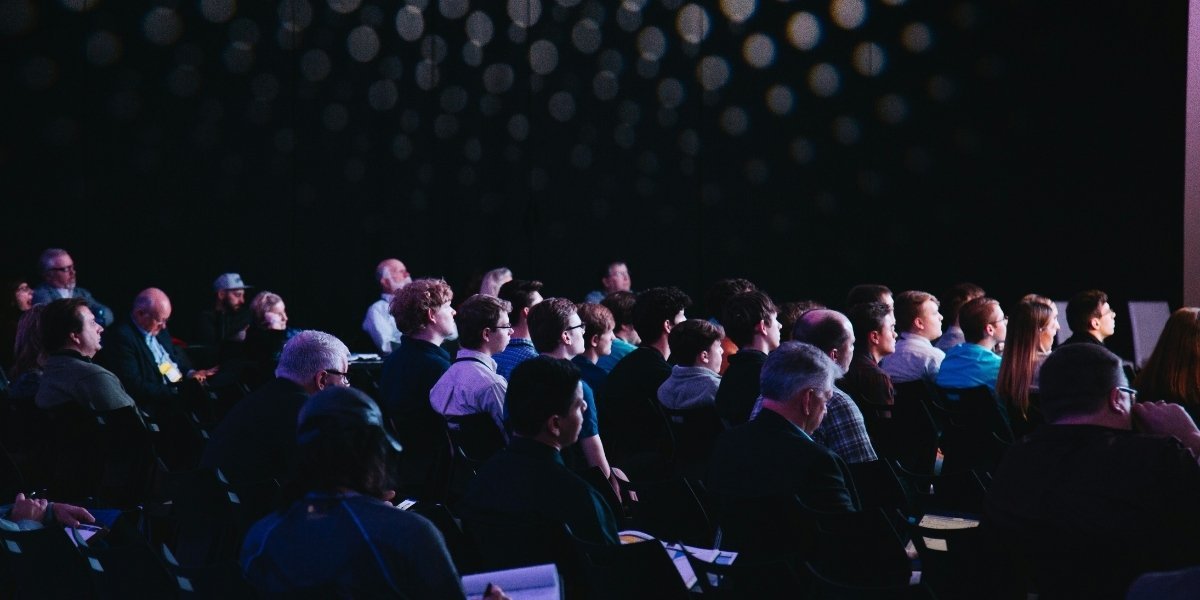
TiEcon 2026 is taking place across multiple conference spaces in Silicon Valley, bringing together a wide range of participants from early-stage startups to established multinational technology firms. Organized by The Indus Entrepreneurs, the conference is structured around panels, workshops, and networking sessions designed to facilitate collaboration between founders and investors operating at different stages of company development.
The event reflects the interconnected nature of the Bay Area technology ecosystem, where startups, venture capital firms, research institutions, and corporate innovation teams frequently overlap in both talent and capital flows. Sessions during the opening phase focus on how these groups are adapting to rapid shifts in artificial intelligence capabilities, particularly as large language models and generative systems move into production environments.
In-person participation remains a defining feature of the conference, with attendees using the setting to explore potential partnerships and funding opportunities. Despite the rise of distributed work environments, Silicon Valley continues to function as a physical meeting ground for high-density knowledge exchange, especially in sectors where technical iteration cycles are rapid and collaboration is essential to product development.
Artificial Intelligence Takes Center Stage in Startup Discussions
Artificial intelligence is the dominant theme across programming at TiEcon 2026, with discussions centered on how startups are translating AI research into scalable commercial applications. Founders presenting at the conference are focused on building systems that incorporate machine learning models into workflow automation, customer service tools, data analytics platforms, and enterprise productivity solutions.
A significant portion of the technical dialogue addresses the challenges associated with deploying AI at scale. These include computational cost management, data infrastructure requirements, model reliability, and regulatory considerations tied to privacy and algorithmic transparency. Engineers and technical founders are also discussing methods for optimizing model performance while maintaining cost efficiency in production environments.
The emphasis on applied AI reflects a broader shift in the startup ecosystem, where competitive differentiation increasingly depends on the ability to integrate intelligence systems directly into core product functionality. Rather than treating AI as a supplementary feature, many early-stage companies are designing entire product architectures around machine learning capabilities, signaling a structural change in how software companies are built in Silicon Valley.
Venture Capital Activity Highlights Bay Area Investment Trends
Investor engagement at TiEcon 2026 reflects continued strong interest in artificial intelligence startups, even as funding conditions remain selective compared to previous growth cycles. Venture capital firms based in San Francisco, Palo Alto, and surrounding Bay Area hubs are actively evaluating companies that demonstrate both technical depth and clear pathways to monetization.
Discussions between founders and investors indicate a stronger focus on long-term scalability and defensible technology advantages. Rather than prioritizing rapid user acquisition alone, investors are increasingly assessing the underlying infrastructure, data strategy, and technical differentiation of AI startups. This shift is shaping how early-stage companies structure their fundraising narratives and product roadmaps.
The conference also highlights the ongoing recalibration of valuation expectations within the startup ecosystem. While artificial intelligence remains a major driver of investment activity, capital allocation is becoming more disciplined, with greater emphasis on measurable performance indicators and enterprise adoption potential. This evolving investment landscape underscores the maturity of the AI sector as it transitions from experimentation to structured commercial deployment.
Startup Ecosystem Strengthens Regional Technology Identity
TiEcon 2026 reinforces Silicon Valley’s position as a globally recognized center for startup innovation and venture development. Despite the geographic expansion of technology hubs worldwide, the Bay Area continues to attract founders and engineers seeking proximity to capital, talent networks, and specialized technical expertise.
Participants in the conference include entrepreneurs from accelerator programs, incubators, and university-affiliated research initiatives across the region. These contributors reflect the layered structure of Silicon Valley’s startup pipeline, where academic research, early-stage experimentation, and venture funding intersect in a tightly connected environment.
The gathering also serves as a platform for knowledge transfer between experienced operators and emerging founders. Many participants draw on prior cycles of innovation in cloud computing, mobile platforms, and enterprise software to inform current approaches to AI-driven product development. This continuity reinforces the region’s role as a long-standing incubator of successive technology waves, each building upon the infrastructure and expertise of previous generations.
Infrastructure and Applied Innovation Shape Conference Dialogue
Beyond startup and investment themes, TiEcon 2026 places significant emphasis on the infrastructure required to support expanding artificial intelligence workloads. Discussions address the increasing demands placed on data centers, cloud platforms, and semiconductor supply chains as AI systems become more compute-intensive.
Speakers and technical panels examine how energy consumption, processing efficiency, and hardware availability are becoming central considerations in the design and deployment of AI applications. These infrastructure constraints are influencing both startup strategy and enterprise adoption timelines, particularly for companies operating at scale.
The conference also explores how applied innovation is bridging the gap between research advancements and commercial implementation. AI technologies developed in research environments are increasingly being adapted into production systems that require reliability, scalability, and integration with existing enterprise workflows. This transition is shaping how startups prioritize engineering decisions and allocate resources during early development stages.
As the sessions progress, TiEcon 2026 continues to highlight the structural evolution of Silicon Valley’s technology ecosystem, where artificial intelligence, infrastructure development, and venture capital dynamics intersect to define the next phase of regional and global innovation.


