
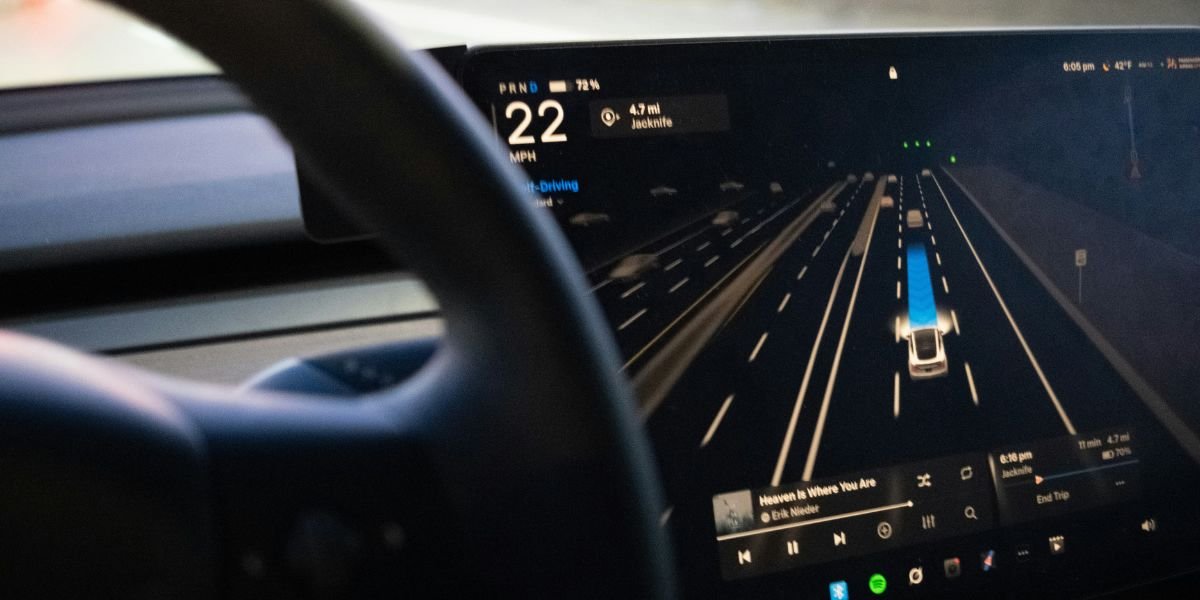

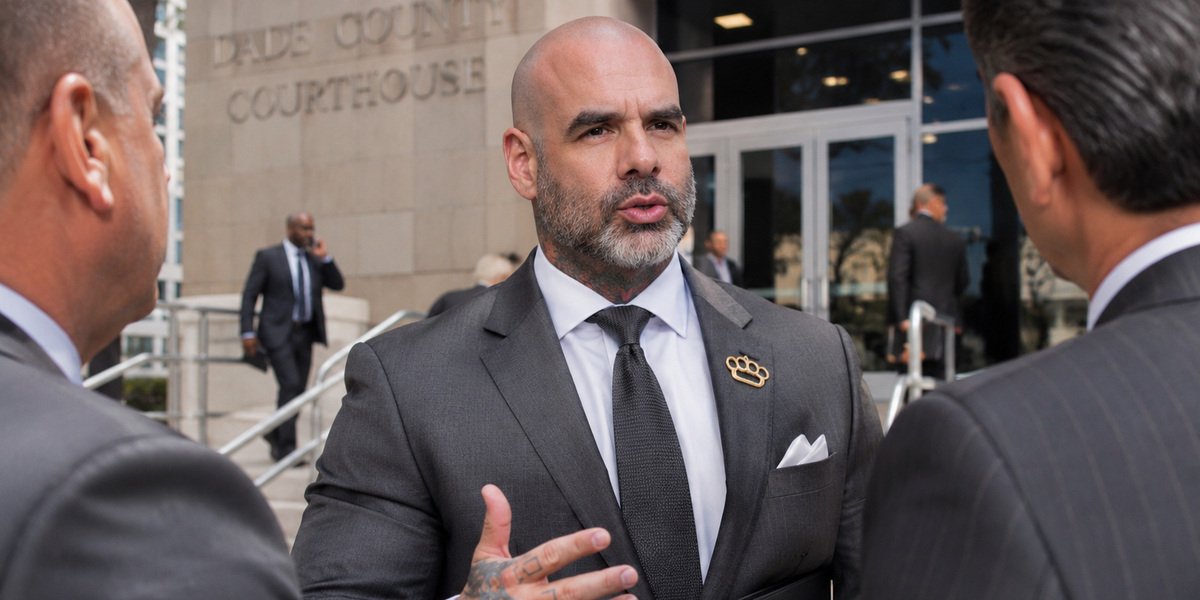


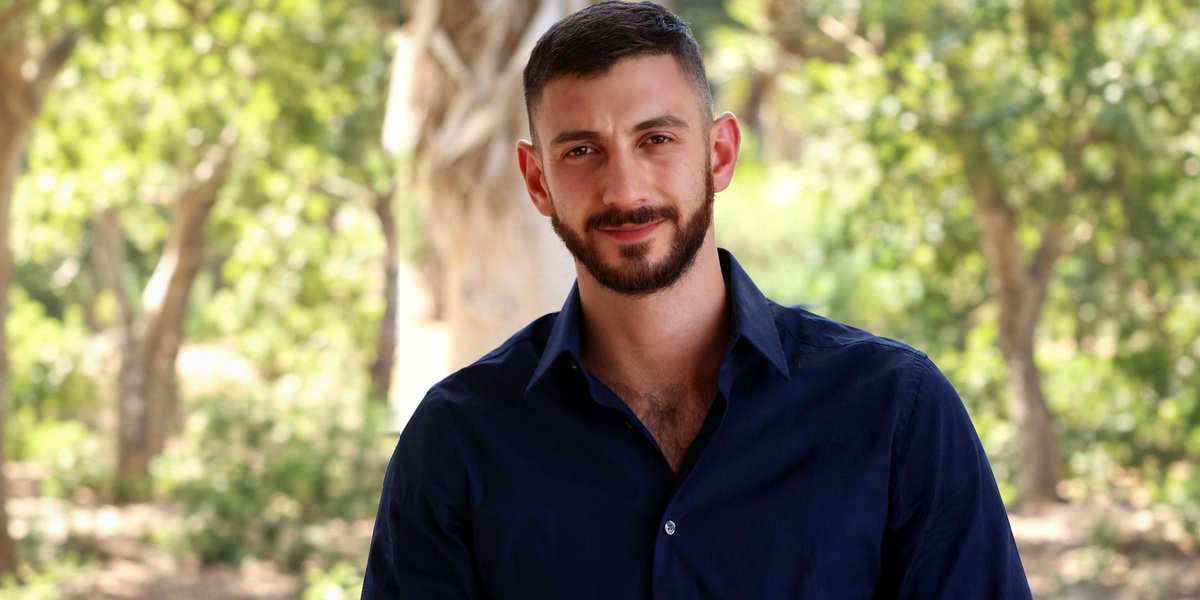



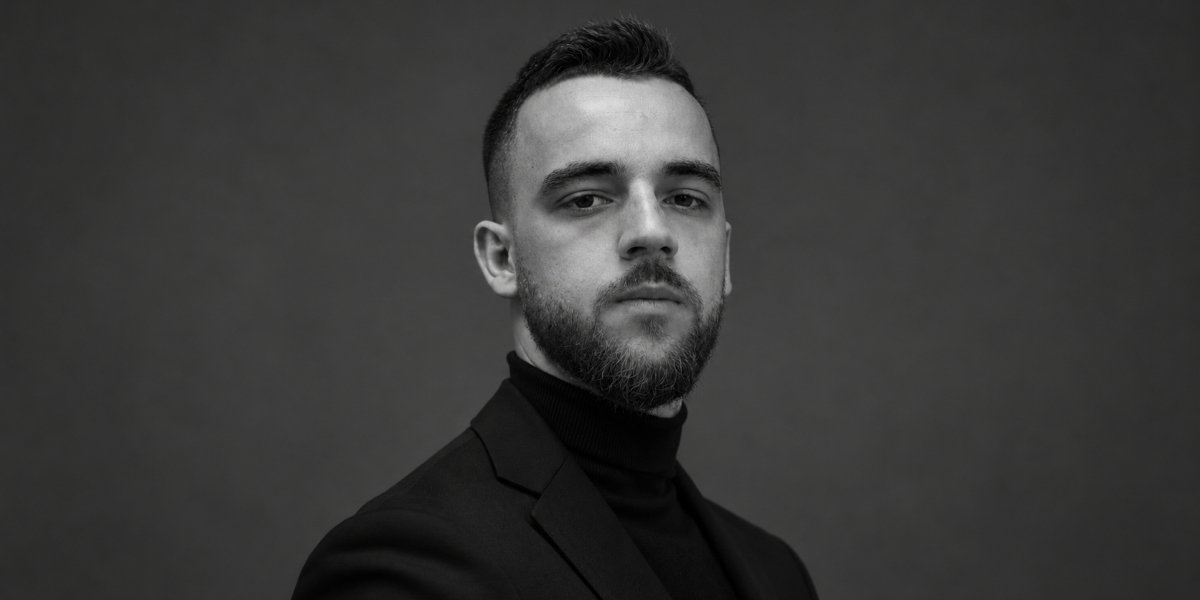
A polished AI-generated clip can stop someone mid-scroll. Whether that viewer ever opens the tool is a different question, and it is the one Fabion Kallaku has built a business around. The Albanian AI creator and ad creative specialist co-founded Creatora, an agency focused on AI influencer marketing for artificial intelligence and technology companies, after first gaining a following with videos that showed what AI tools could do inside a real creative workflow.
Kallaku studied computer science before turning to content creation. The creator’s work has since drawn upward of 100 million views, and Kallaku has worked with more than 100 AI companies. That work includes ad creatives and product campaigns with creative AI firms such as Runway and Higgsfield.
How Creatora Approaches AI Influencer Marketing
Creatora, the agency Fabion Kallaku co-founded, pairs AI and tech brands with creators who already understand their products. From there, the team manages the campaign through outreach, negotiation, approvals, publishing, and reporting. Because the agency also represents creators in their brand partnerships, it sees each deal from both sides.
The structure grew out of Kallaku’s time as a working creator. As more brands made contact, Kallaku learned how much a sponsored video depended on who it was for, what it showed, and what the viewer could do next. Brands and creators were also losing time finding each other and sorting out deal details. Creatora was started to handle that work and to bring a creator’s perspective into campaign planning from the first brief.
A typical engagement might begin with a new AI video tool and a goal of driving product trials. When matching creators for AI influencer marketing on a launch like that, the agency looks for creators whose audiences already make video, then develops a concept with them that gives viewers a reason to try the tool themselves.
Consistency was the first hurdle. Every product calls for a different mix of technical fluency, creative ability, and audience fit, so the agency had to define those criteria clearly enough to apply across many creators.
Operations posed a separate problem. Product access, script feedback, publishing dates, and paid usage rights can each change what a creator delivers, so Creatora gives every one an owner and a timeline. When a brand wants to run a creator’s video as a paid ad, usage terms get settled during the deal rather than after the fact.
What Makes an AI Product Demo Worth Watching?
An AI product demo earns attention when it shows the steps behind the result. Fabion Kallaku ties that to a problem across the category. AI products change quickly, and many launches lean on similar claims about speed and quality, which leaves viewers struggling to tell which tool fits their work.
“A polished result can win attention, but people often need to see the steps that produced it before they’ll try the tool themselves,” Kallaku said.
Creatora builds its AI influencer marketing briefs around that idea, starting with a use case that makes sense for the creator’s audience. For a video editing tool, an editor might take one rough clip through a full edit, show the finished cut, and walk viewers through the feature that saved time. Whenever a brief calls for a hands-on demo, the agency checks whether the creator can make a workflow clear in a short video.
Kallaku’s own AI ad creatives helped form that method. For Descript, the creator produced a two-part video series that the brand ran through its paid advertising channels, reaching roughly a million people. The co-founder sums up the lesson in three parts. Give people a reason to stop, show the product clearly, and decide what to measure before anything goes live.
Deciding What to Measure Before Launch
Views tell a brand how much attention a post earned. They reveal far less about whether anyone adopted the product. Kallaku argues that a company focused on adoption has to agree up front on the action it wants to track and on whether it can capture that signal through a link, a code, or its own product analytics.
For trial-focused campaigns, Creatora can write a sign-up link or code into the brief from the beginning.
What the Lionsgate and Runway Deal Means for Generative Video Tools
Fabion Kallaku’s questions about AI products in advertising translate directly to film and television. In June 2026, Lionsgate took an equity stake in Runway and announced plans for an AI short-form series drawing on the studio’s existing properties, expanding a partnership the two companies first struck in 2024. Runway has described that earlier work as spanning storyboarding, previsualization, and final-frame production.
Each of those stages gives a creative team a different way to judge the tools, according to Kallaku. Coming from ad production, the co-founder evaluates generative video tools by how much control remains after the first generation.
“Can I revise the shot when the brief changes? Can I keep the character and lighting consistent across a sequence?” Kallaku said. “Those questions matter more on a real project than how impressive a single clip looks.”
Hands-on branded storytelling sits behind that perspective. Working with Runway Aleph, Kallaku built a reveal around what could change inside an existing shot, letting viewers enjoy the transformation before seeing how the effect was made. Cinematic framing and editing often help turn a product demonstration into something closer to a short story.
Where Could Creator Partnerships Go in Film and TV?
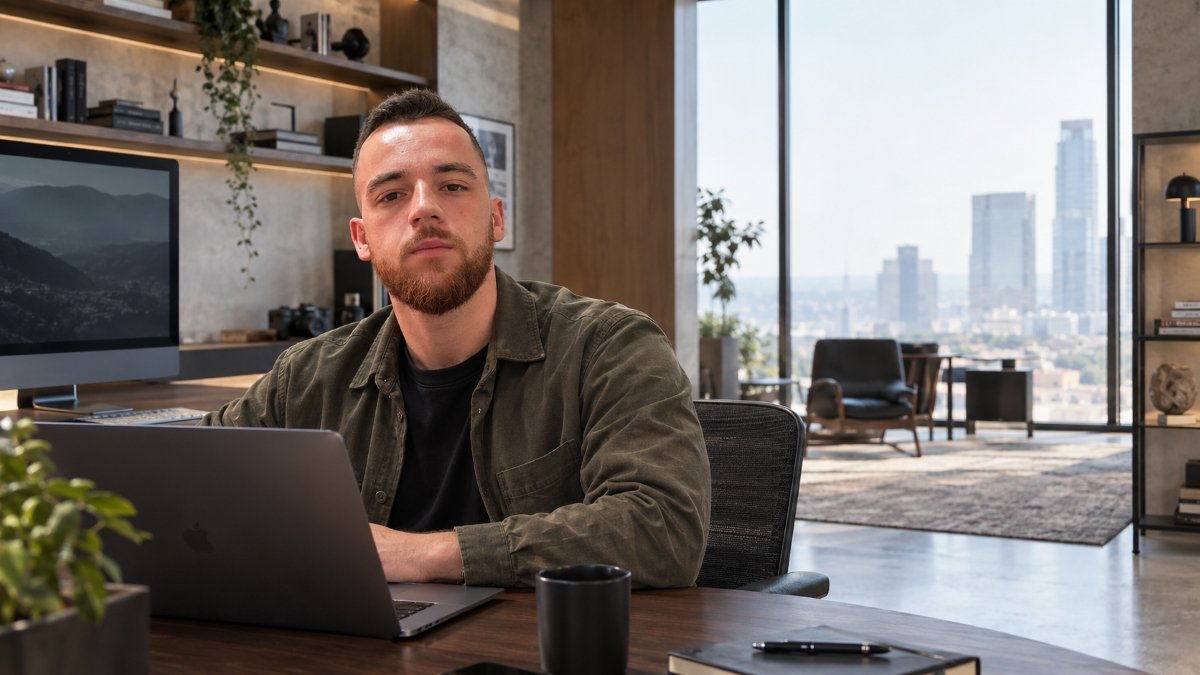
Fabion Kallaku expects studios to bring creators into release campaigns earlier. A filmmaker who already teaches lighting or editing could break down a scene for an audience that follows that craft. A comedy creator might build an original piece around a show’s premise, with the studio’s permission.
Those arrangements work best, in Kallaku’s view, when the creator has a genuine connection to the story or craft behind a project. Both sides also need to agree early on which footage, characters, or other assets can be used. It is the same discipline around usage rights that AI influencer marketing already relies on.
Before a shoot, AI could help a team compare two approaches to the same opening scene. Ahead of a release, it might mean testing a few promotional cuts built around different reasons to watch. Kallaku also sees potential in original short-form stories that creators develop with studios, using social platforms to see which characters or ideas land before a larger production.
What Comes Next for Creatora
Over the next two to three years, Fabion Kallaku wants Creatora to support AI companies on product launches as well as creator programs that run throughout the year. That plan depends on deeper relationships with creators who know their craft and on giving brands a clear view of what each campaign achieved.
Separately, Kallaku is building NextShift AI, a learning platform for people who want to create with AI. It is meant to map a path from making a first image or video to building a portfolio, including for people with no technical background or existing audience.
For newcomers to AI ad creatives, Kallaku’s advice is to start narrow. “Start with one person you can help and one problem they already care about,” the co-founder said. Sample work aimed at the right client, clear communication, and a predictable review process all count for as much as the creative itself, lessons that apply across AI influencer marketing as well. Updates on the agency’s work appear on Creatora’s LinkedIn company page.


