Nuro Begins Driverless Robotaxi Testing in Four Bay Area Cities

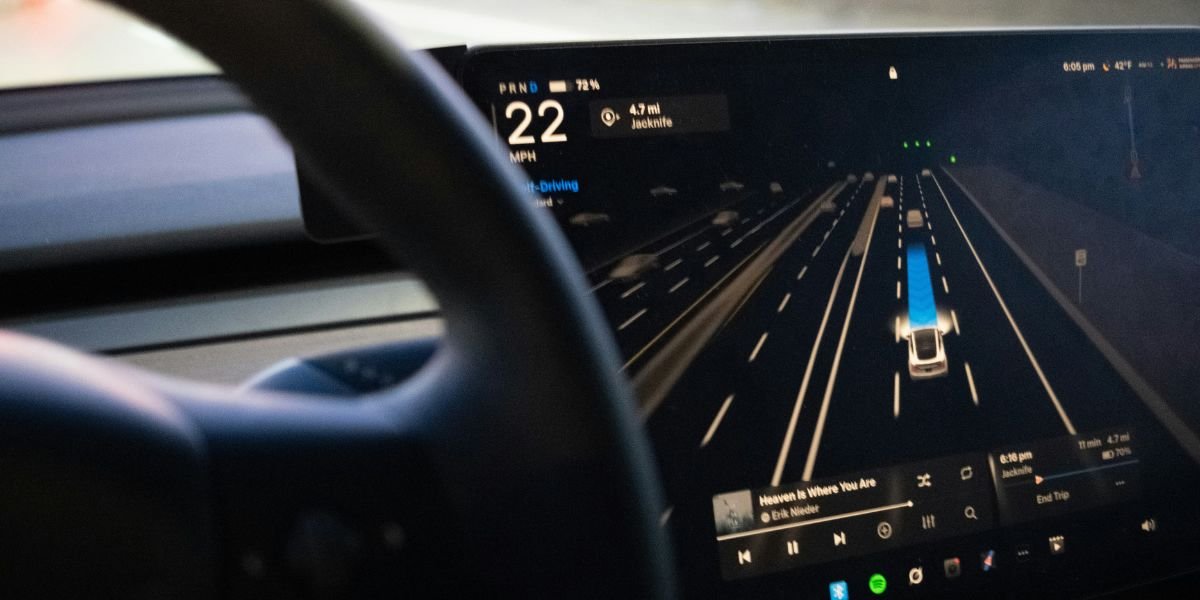
Bay Area robotaxi testing entered a new phase on November 24, 2026, as Nuro, Lucid and Uber announced the start of public-road trials without onboard safety drivers. The companies are testing modified Lucid Gravity electric SUVs in four Silicon Valley cities ahead of a proposed commercial passenger service in early 2027.
Key Takeaways
- Driverless testing covers Palo Alto, Mountain View, Los Altos and Sunnyvale
- Lucid has delivered more than 100 vehicles to support the latest testing phase
- Nuro holds a California DMV permit authorizing driverless testing in Santa Clara and San Mateo counties
- Public passenger service requires separate regulatory authorization
- The commercial launch target has shifted from late 2026 to the first quarter of 2027
Bay Area Robotaxi Testing Expands Across Four Silicon Valley Cities
The November announcement follows nearly a year of supervised autonomous vehicle testing in the Bay Area and Houston, which began in December 2025.
Nuro, headquartered in Mountain View, supplies the autonomous driving system used in the modified Lucid Gravity SUVs. The company previously developed driverless delivery vehicles, making the current trials an expansion of its technology into passenger transportation.
Lucid has delivered more than 100 vehicles with updated hardware and software to support the testing program. The companies have not disclosed how many vehicles are operating simultaneously without safety drivers or how the fleet is distributed among the four cities.
The trials represent a development in the Uber and Nuro robotaxi partnership, first announced in July 2025.
What California Permits Allow Nuro to Do
The California Department of Motor Vehicles’ permit registry, updated November 5, 2026, identifies Nuro as an authorized driverless testing operator for Lucid Gravity vehicles in Santa Clara and San Mateo counties.
The authorization permits testing during daytime and nighttime hours under specified conditions, including light rain and light to moderate fog. The DMV lists a maximum speed of 45 miles per hour for the authorized testing operations.
However, permission to test driverless vehicles does not automatically authorize commercial passenger transportation.
The California Public Utilities Commission (CPUC) maintains separate permits for autonomous passenger services. Its current registry lists Nuro as holding a drivered pilot permit, without a corresponding driverless passenger-service permit.
Under the CPUC’s regulatory framework, operators must obtain the appropriate deployment authorization before charging passengers for driverless rides. The proposed commercial launch therefore remains dependent on additional regulatory approval.
Uber and Lucid Prepare for Commercial Fleet Operations
The partnership divides responsibility among three companies. Lucid manufactures the vehicles, Nuro supplies the autonomous driving technology, and Uber provides the ride-hailing platform.
Uber and its fleet partners will own and operate the vehicles, with passenger bookings intended to take place exclusively through Uber.
The companies’ June 2026 announcement outlined plans for at least 35,000 Lucid vehicles across multiple international markets over the coming years. That commitment includes both the Gravity and future midsize vehicles, rather than representing the size of the initial Bay Area fleet.
Employee rides without onboard safety operators are expected to begin before the public service becomes available.
Public Robotaxi Launch Moves to Early 2027
Uber’s January 2026 announcement initially identified late 2026 as the expected period for introducing the Bay Area service. The updated target places the commercial launch between January and March 2027.
San Francisco already has an established autonomous passenger market, including Waymo’s Ojai robotaxis, which became available to all riders in the city in August.
The Nuro-led testing program introduces another potential service provider to the regional market. However, the current trials are concentrated in Silicon Valley rather than San Francisco itself.
The companies have not announced passenger fares, a confirmed commercial service boundary or an exact launch date.
Frequently Asked Questions
Where is Nuro conducting driverless robotaxi testing?
The initial testing locations are Palo Alto, Mountain View, Los Altos and Sunnyvale in Santa Clara County.
Which vehicles are being used for the robotaxi trials?
The program uses modified Lucid Gravity electric SUVs equipped with Nuro’s autonomous driving system.
Can Bay Area residents book Nuro robotaxi rides through Uber?
Not yet. The vehicles are undergoing testing, with employee rides planned before commercial passenger operations begin.
Does Nuro have permission to operate without safety drivers?
Yes. Nuro holds a California DMV driverless testing permit. Commercial driverless passenger transportation requires separate regulatory authorization.
When will Uber’s new Bay Area robotaxi service launch?
Uber, Nuro and Lucid are targeting the first quarter of 2027, subject to regulatory approval and operational readiness.