





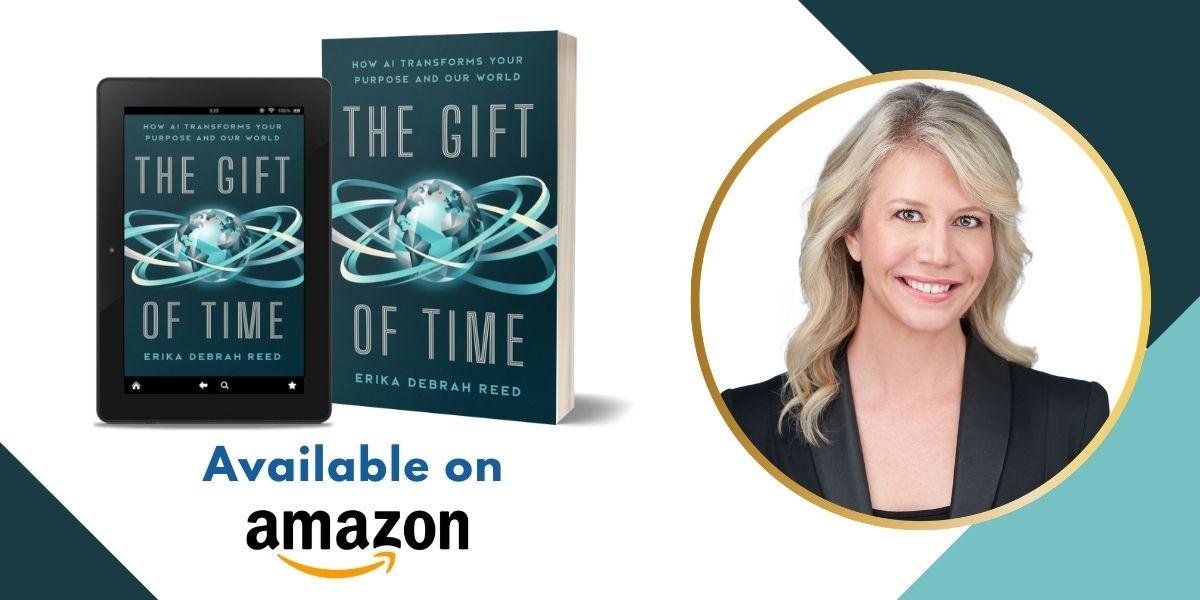
By: Jessica Suarez
Most books about artificial intelligence focus on what it will do to your job, your creativity, your daily routine, or your competitive position in a changing market. Erika Debrah Reed is asking a larger set of questions. What will AI do to institutions? To communities? To the structure of economies? To the people who are left behind when the transformation moves faster than the policies designed to manage it?
The Gift of Time: How AI Transforms Your Purpose and Our World operates at both levels simultaneously, which is what makes it more than a productivity guide. It is a book about a civilizational shift and about the choices that will determine whether that shift produces genuine human flourishing or simply a more efficient version with less meaning.
The Auto-Robotics Nexus
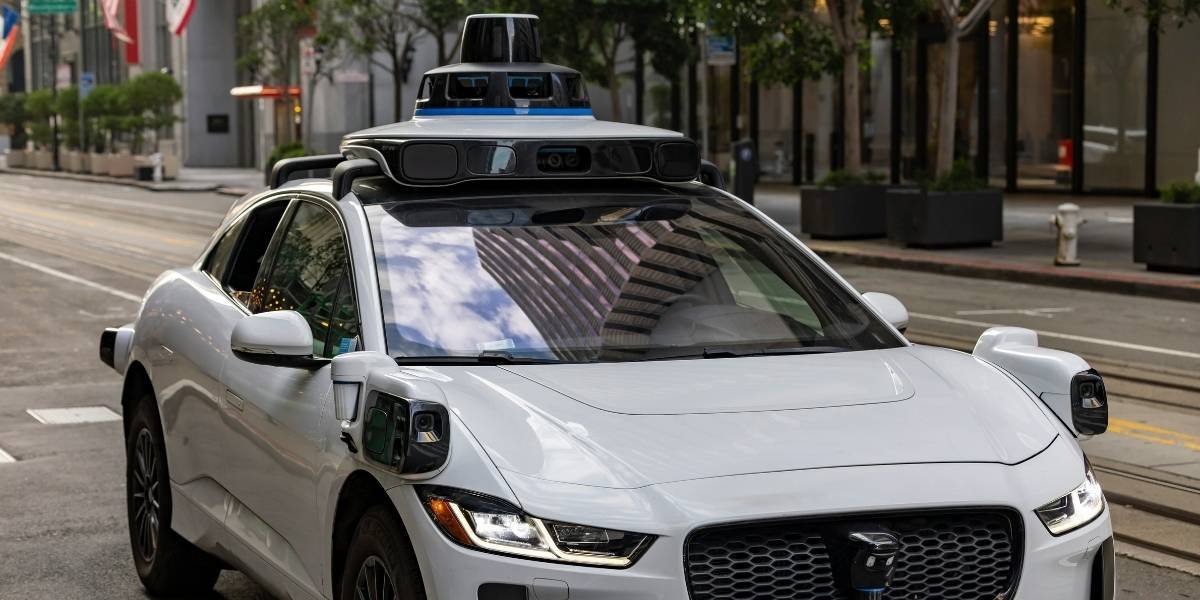
One of the more striking ideas in Erika’s framework is what she calls the Auto-Robotics Nexus, the moment when AI and robotics begin taking over both the mental and physical tasks that humans have been performing not because those tasks are the best use of human capacity but because no alternative existed. When that moment arrives at scale, she believes it will change institutions, industries, and everyday lives in ways that are difficult to fully anticipate.
Her prediction is that AI and robotics will bring production closer to home, making and circulating goods more densely within communities rather than across global supply chains. That shift implies a contraction of globalization and, counterintuitively, an explosion of small businesses. The local, the handmade, the personal, the outcome-based rather than the attendance-based, all of these become more viable as the machinery of large-scale industrial production becomes automated at the community level.
The Autonomous Divide
Erika is honest about the risk embedded in this transformation. Those who choose not to engage with AI don’t just miss the benefits. They lose the ability to shape the AI models that are becoming foundational to how society operates. AI literacy and reskilling are not optional extras for people who want to thrive in the coming environment. They are the price of participation.
The Autonomous Divide can be mended, she believes, but only through thoughtful, deliberate action by individuals, corporations, and governments. That means recognizing which job positions are disappearing and which are transforming, and creating policies that make the transition smoother rather than leaving displaced workers to navigate it alone.
The book is not pessimistic about any of this. But it is clear-eyed. The gift of time is not equally distributed by default. Making it more equitable requires choices that are social as much as they are technological.
Coming Back to the Human
What Erika finds genuinely hopeful in this landscape is the rebalancing she sees beginning to happen. In a sense, she says, people had to become machines to create the machines. It was not entirely natural for people to spend their days in front of a computer performing repetitive tasks. Once AI can handle that repetition, people can spend more time being human. The more machines do, the more people will gravitate toward human-made goods and physical experiences.
Some will frame that as a rebellion against AI. Erika doesn’t see it that way. It is a rebalancing. The world has always moved toward equilibrium eventually. The question is what people do while it is finding its new center.
If you’ve been wondering what AI really means for society, not just your job, The Gift of Time by Erika Debrah Reed is available now on Amazon. The autonomous divide is real. So is the possibility of something genuinely better. This book maps both.


