








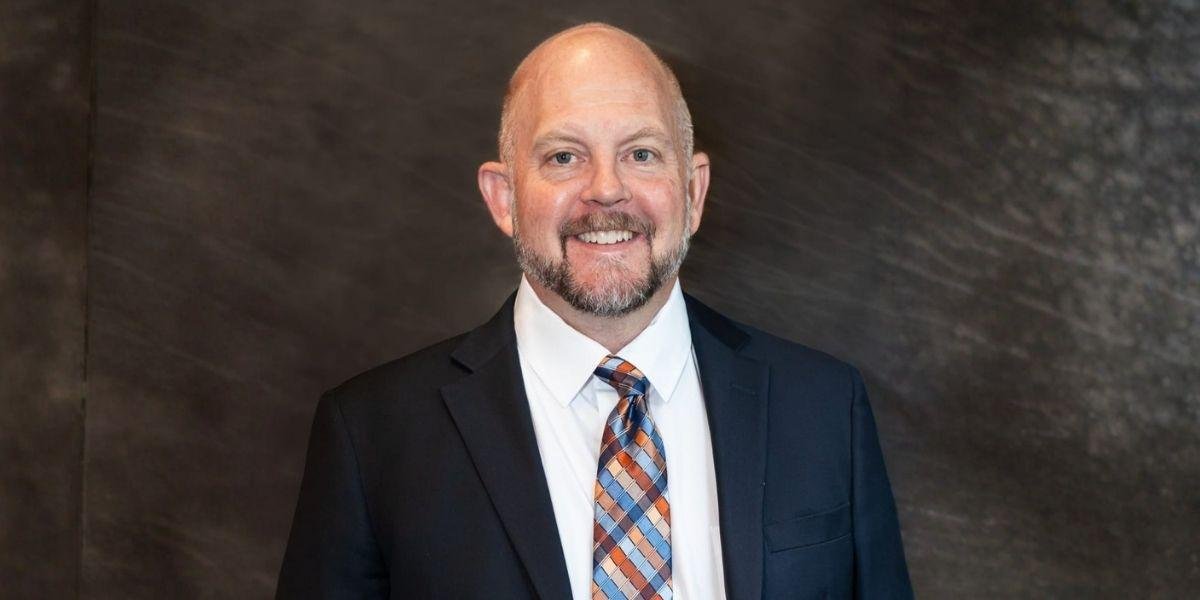
At 17 years old, long before executive titles or board appointments, Bill Miller experienced a moment that would shape the rest of his career. Working as a housekeeping aide in a senior care facility, he was invited to attend a resident’s wedding. It was not a formal obligation or a routine gesture. It was personal. The residents saw him not as staff, but as family.
That moment reframed what caregiving meant. It was not simply a service delivered within the walls of a facility. It was connection, trust, and presence. That early experience continues to guide how Bill Miller approaches leadership today, influencing decisions that affect residents, families, and the people who care for them every day.
With more than 25 years of experience in post acute healthcare, Bill Miller has held leadership roles across multiple levels, from facility operations to executive leadership overseeing dozens of centers. Today, as Chief Executive Officer, his perspective is shaped not only by operational knowledge but by lived experiences that define his values.
A Defining Moment That Set the Foundation
The invitation to that wedding did more than leave a lasting memory. It established a framework for how Bill Miller views the role of care providers.
Residents are not clients passing through a system. They are individuals building relationships in a place that often becomes their home. Staff members are not interchangeable positions. They are part of a community that carries emotional weight.
That understanding has remained consistent throughout his career. It informs how he evaluates success, not through metrics alone, but through the quality of relationships built within each facility.
The lesson was simple, but it stayed with him. When people feel seen and valued, the entire environment changes.
Compassion That Shapes Outcomes
Another early experience reinforced this perspective in a more profound way. Bill Miller recalls a young resident, not yet 20 years old, who struggled to engage in his recovery. Many doubted whether he would participate fully in therapy.
What changed was not a clinical intervention alone. It was a connection.
The resident formed a strong bond with a therapy aide who provided consistent encouragement. Over time, that relationship became a source of motivation. The resident began to look forward to therapy sessions and eventually took part in a vocational rehabilitation program while still in care.
On the day of discharge, the resident’s mother embraced the therapy aide and thanked her for saving her son’s life.
That moment highlighted the direct impact of compassion in care. It also carried personal significance. The therapy aide later became Bill Miller’s wife.
This experience reinforced a core belief. Care is not only about treatment plans. It is about human connection that can shift outcomes in ways that cannot always be measured.
Celebrating the Work That Goes Unseen
Leadership in senior care often involves navigating complex systems and responsibilities. Yet Bill Miller places equal importance on recognizing the people who deliver care daily.
He does not view celebration as a private or reserved act. Instead, he believes in acknowledging staff achievements openly and with enthusiasm. When a team member improves a resident’s experience, that success is shared across the organization.
This approach builds more than morale. It reinforces a culture where effort is noticed and valued. It creates an environment where staff feel connected to a larger purpose, rather than isolated within individual roles.
Recognition becomes part of the system, not an occasional gesture.
Values That Guide Difficult Decisions
In an industry where decisions can carry significant weight, Bill Miller relies on a set of core values shaped by years of experience.
These values are not theoretical. They are grounded in real situations, both positive and challenging, that have defined his understanding of responsibility.
He describes his moral compass as something developed over time through serving others. It does not shift based on convenience. Whether a decision is simple or difficult, the guiding principle remains the same.
Doing what is right is not always the easiest path. But consistency in values provides clarity when navigating complex situations.
This approach creates stability within leadership. It also builds trust among teams who look for consistency in how decisions are made.
Relationships Over Being Right
One of the most influential lessons in Bill Miller’s career came from a mentor he worked with for 17 years.
The lesson was direct. Being right is less important than maintaining relationships.
In practice, this means prioritizing long term trust over short term validation. It shapes how disagreements are handled, how conversations are approached, and how success is defined.
Winning an argument may offer immediate satisfaction. Preserving a relationship creates lasting impact.
This philosophy has become a central part of his leadership style. It influences communication across teams and sets expectations for how people interact within the organization.
Respect and trust are not secondary to outcomes. They are essential to achieving them.
Staying Connected to the Work That Matters
Senior care is an industry that can be emotionally demanding. For leaders, maintaining perspective is critical.
Bill Miller stays grounded by spending time in the environments where care is delivered. When faced with difficult days, he visits facilities and connects directly with residents and staff.
These visits serve as a reminder of purpose. They highlight the progress being made and the impact of daily efforts.
They also reinforce accountability. Seeing the work firsthand provides a clear view of what is working and where improvements are needed.
Rather than distancing leadership from operations, this approach keeps decision making closely tied to real experiences within each facility.
A Team That Reflects the Mission
The strength of an organization is often revealed during challenging periods. Bill Miller points to a defining moment when his team demonstrated a deep commitment to residents.
At the start of a new operation, staff faced significant hardships caused by the prior operator, including missed paychecks and lapses in health insurance coverage. Despite these challenges, they continued to show up every day.
Their decision to remain was not driven by obligation alone. It reflected a sense of responsibility to the residents they served.
This level of dedication speaks to a culture built on purpose. It shows that when values are clear, teams align around more than job descriptions.
They align around the people who depend on them.
A Patient First Approach to Leadership
At the core of Bill Miller’s leadership philosophy is a simple principle. If decisions are made in the best interest of the resident, everything else tends to follow.
This perspective influences operational, financial, and cultural choices.
Rather than viewing these areas as competing priorities, he sees them as interconnected. When resident care is prioritized, it creates positive outcomes across the organization.
This approach also supports a balanced perspective. It recognizes the need for operational efficiency while maintaining a clear focus on the individuals receiving care.
The goal is not to choose between care and performance. It is to align them.
Bringing Clarity to a Complex Industry
Skilled nursing care is often misunderstood. Bill Miller acknowledges that part of the responsibility lies within the industry itself.
Facilities operate under extensive regulatory requirements. Documentation and compliance are essential to maintaining licensure. At the same time, these processes do not always translate into visible improvements for residents.
There are also financial realities that are not always fully understood by families. Operating a facility requires significant resources, both in staffing and infrastructure.
Balancing these demands while maintaining high quality care is a constant challenge.
Bill Miller advocates for greater transparency. By helping families understand these complexities, trust can be strengthened and expectations can be aligned.
Clarity does not eliminate challenges, but it creates a foundation for more informed conversations.
Leadership Built on Consistency and Presence
Throughout his career, Bill Miller has returned to a straightforward piece of advice that defines his leadership approach.
Show up. Do what is right. Stay consistent.
This guidance reflects the experiences that have shaped his perspective. It is not based on a single moment, but on years of observing what leads to meaningful outcomes.
Consistency builds trust. Presence builds connection. Together, they create a framework for leadership that remains steady, even when circumstances are uncertain.
For Bill Miller, leadership is not defined by position alone. It is defined by actions repeated over time.
A Lasting Perspective on Purpose and Responsibility
The path from a 17 year old housekeeping aide to Chief Executive Officer is marked by experiences that continue to influence every decision.
The early realization that caregiving is about family set the foundation. The story of a young resident reinforced the impact of compassion. Lessons from mentors shaped communication and priorities.
Each of these moments contributes to a leadership style grounded in purpose.
Bill Miller’s approach reflects a broader understanding of what senior care requires. It is not only about systems or processes. It is about people, relationships, and the responsibility that comes with serving others.
That perspective continues to guide his work, ensuring that the focus remains where it began.


