Bay Area Innovation: Uber and Nuro Advance Robotaxi Deployment in SF

San Francisco streets are becoming a testing ground for Uber’s autonomous taxi service as the ride-hailing giant advances its robotaxi initiative in partnership with autonomous vehicle developer Nuro and electric vehicle manufacturer Lucid.

The collaboration signals a major step toward integrating fully driverless vehicles into Uber’s platform. With regulatory approvals and extensive city testing underway, the Bay Area is set to host Uber’s first large-scale autonomous passenger operations.

Regional Tests Expand as Regulatory Approvals Clear Key Hurdles

Nuro has secured permits from California authorities allowing fully driverless operation of vehicles on public roads without a human safety driver. The approvals cover speeds up to 45 miles per hour and allow supervised passenger rides, marking a critical step toward commercial service.

The California Department of Motor Vehicles and the California Public Utilities Commission issued the permits, establishing operational standards, safety monitoring, and reporting requirements. These measures provide oversight for Uber’s planned robotaxi service while allowing the vehicles to operate in real-world urban traffic.

Testing in San Francisco and neighboring communities has been progressing steadily. Uber-selected personnel and early participants are taking supervised rides in the autonomous vehicles via the Uber app, providing feedback on navigation, ride experience, and system responsiveness. The trials aim to refine the vehicles’ ability to handle complex urban environments, including mixed traffic, pedestrians, and cyclists.

Advanced Robotaxi Platform Unveiled at Industry Events

Earlier this year, Uber, Nuro, and Lucid jointly showcased an electric SUV-based robotaxi prototype at an industry technology event. The vehicle features a suite of sensors, automated navigation systems, and passenger comfort features. The prototype demonstrates how Uber plans to integrate autonomous vehicles into its existing ride-hailing service, giving users access through the familiar Uber app.

On-road trials allow Uber and Nuro to test how the system performs under real-world conditions. Vehicles navigate intersections, congested streets, and multi-lane roads, providing insights into autonomous responses to traffic disruptions and urban complexity. These trials also give Uber the ability to refine the rider experience and ensure that the vehicle meets operational standards for both safety and usability.

Major Commitments Signal Long-Term Local Activity

Financial reporting indicates a substantial commitment from Uber to Nuro, supporting technology development, operational expansion, and integration into the Uber app. The partnership aims to develop a scalable fleet that can operate in dense urban areas while maintaining safety and reliability.

The funding also supports manufacturing, vehicle integration, and ongoing system monitoring. Industry observers see this as a sign that Uber intends to establish a long-term presence in the Bay Area’s autonomous mobility sector, positioning the company at the forefront of passenger-ready robotaxi deployment.

Local Service Introduction Targeted for Late 2026

Uber has signaled that initial robotaxi service in the Bay Area is expected later this year. While exact dates remain unconfirmed, test operations and internal planning suggest readiness for limited passenger service is approaching.

The rollout timeline aligns with a stepwise validation process. Each phase, from securing permits to performing on-road trials, requires detailed reporting, system assessment, and regulatory compliance. This gradual approach ensures that Uber’s robotaxis are ready for safe and efficient operation before public access is expanded.

Urban analysts note that testing in San Francisco, with its dense traffic, frequent street changes, and varied roadway types, provides a rigorous environment for autonomous systems. Early deployment in such conditions is intended to identify and resolve challenges before considering expansion to additional cities or regions.

Regional Innovation Amid National Technology Momentum

San Francisco has long been a hub for autonomous vehicle research, including trials in delivery and passenger transport. Uber’s robotaxi initiative is among the largest efforts to combine advanced autonomous technology with an existing ride-hailing platform for real-world passenger service.

The Bay Area offers a testing environment with diverse road conditions and high pedestrian activity, making it ideal for evaluating autonomous systems. City officials emphasize that regulatory oversight will continue, with data reporting and performance monitoring as part of ongoing evaluations.

Public interest has grown as Uber’s autonomous vehicles appear more frequently on city streets. Residents report that the vehicles navigate traffic smoothly, respond to cyclists and pedestrians, and manage urban road conditions effectively. Local authorities maintain that safety remains the highest priority and that Uber’s operations are closely monitored.

As trials progress, San Francisco continues to solidify its role as a center for autonomous mobility innovation. Each milestone—from regulatory approvals to expanded on-road testing—brings Uber closer to a commercial robotaxi service. Observers note that the outcomes of these trials could influence the deployment of autonomous taxis in other urban areas across the U.S.

Uber’s initiative demonstrates a structured approach to autonomous passenger transport, combining rigorous testing, regulatory compliance, and integration with an existing ride-hailing platform. The Bay Area’s streets offer a live demonstration of how these vehicles perform in everyday urban conditions, providing a glimpse into the potential future of city transportation.


Why Bay Area Parents Are Looking Beyond Conventional Academic Progress to Stronger Learning Foundations

As artificial intelligence reshapes the future of work and communication, many families are beginning to ask whether traditional academic progress alone is enough to prepare children for what comes next.

For years, academic success in many Bay Area communities followed a familiar formula: advanced reading levels, accelerated math tracks, strong test scores, and packed schedules. Children moved from milestone to milestone, often appearing successful on paper long before adolescence.

Yet across the region, a quieter conversation has started to emerge among parents. Some are beginning to wonder whether visible academic progression always reflects genuine understanding, confidence, or long-term capability.

The concern is not that children are learning less. It is that many may be learning in ways that prioritize coverage over depth. A child can memorize information, complete assignments quickly, and still struggle with attention, communication, resilience, or independent thinking. Many children appear to be advancing, yet the kind of learning that leads to lasting understanding, adaptability, and independent thought can be far less common than grades or completed lessons suggest.

In homes shaped by the realities of the technology industry and rapid advances in AI, that distinction increasingly matters. Parents are starting to ask a more fundamental question: What actually creates deep learning in children?

Learning Does Not Develop in Separate Categories

That question recently guided a discussion-led Parent Salon hosted by Masterminds Academy at the Los Altos Library on May 17. Rather than functioning as a traditional school presentation, the conversation focused on how children develop intellectually, physically, socially, and emotionally as interconnected systems.

The premise reflects a growing understanding that children do not learn in isolated categories. Attention, movement, emotional security, language development, and social interaction continuously influence one another. A child who feels emotionally safe often participates more freely in conversation. Movement can support focus and self-regulation. Rich language exposure can strengthen reasoning, memory, and confidence.

That interconnected development can be difficult to capture through conventional measures of academic progress alone. In many traditional environments, progression is often tied to pace. Children move through material according to curriculum timelines, even when understanding remains uneven beneath the surface. The appearance of advancement can sometimes mask fragile learning foundations.

By contrast, deeper learning tends to emerge through repetition, discussion, movement, curiosity, and sustained engagement with ideas.

Photo Courtesy: Masterminds Academy

Why Small Groups Matter

Small-group learning environments can make those connections easier to see. When children have more room to speak, move, ask questions, and receive timely feedback, teachers can respond to what is happening in the moment rather than relying only on the pace of a preset lesson.

For some children, that added participation can become the difference between simply keeping up and actually feeling capable. In a smaller setting, hesitation is easier to notice. So is curiosity. A teacher can see when a child understands an idea, when they are guessing, and when they need a different entry point into the material.

This kind of responsiveness matters because confidence rarely develops through pressure alone. It grows when children experience themselves as capable thinkers, communicators, and problem-solvers.

Foundations for an AI-Shaped Future

The Bay Area’s proximity to technological change adds another layer to the conversation. As AI automates certain forms of information retrieval and routine problem-solving, many parents are rethinking which human skills will matter most in the years ahead.

Memorization alone may hold less value than adaptability, communication, self-direction, and the ability to think critically in unfamiliar situations. Those abilities often begin forming much earlier than people assume.

Early confidence, emotional regulation, attention span, and language development can shape how children approach challenge and uncertainty for years afterward. A child who develops strong foundational learning habits early may become more willing to participate, ask questions, recover from mistakes, and engage independently with complex ideas later on.

The phrase shared during the Parent Salon captured the idea simply: capable children are happy children.

A Broader Parent Conversation

The Parent Salon format reflects a broader appetite among families for discussion rather than marketing. Parents increasingly want clearer insight into how children actually learn, not only where they rank academically.

Masterminds Academy plans to continue these conversations with another Parent Salon at Los Altos Library, Orchard room, from 10 am to 12 pm on June 13. The session is complimentary, and families can register to attend the Parent Salon. The academy also plans to engage families through select community events this summer, including the Dragon Boat Festival and the Los Altos Farmers Market.

The larger story extends beyond any single event or school model. Across the Bay Area, many families are reconsidering what educational progress truly means in a future shaped by rapid technological change. For a growing number of parents, the goal is no longer acceleration for its own sake. It is helping children build a deeper foundation that supports learning, confidence, and adaptability over time.

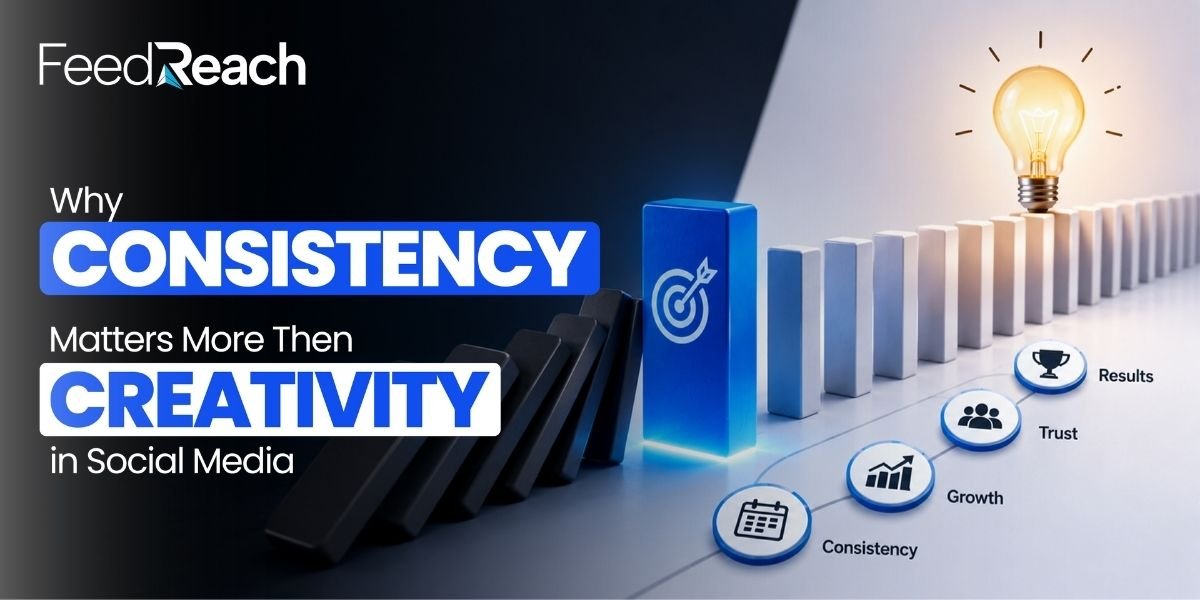
Why Consistency Matters More Than Creativity in Social Media

Creativity gets attention, and consistency builds growth.

Most teams believe creativity is the main driver of success on social media. They spend time improving visuals, refining captions, and making every post stand out. That focus sounds right, but it leads to the wrong outcome. Creativity can attract attention for a moment, but consistency builds growth over time. The brands that expand their reach are not the ones posting the most polished content. They are the ones showing up regularly.

This pattern is visible across platforms. Accounts that publish consistently stay active in feeds, while those that post occasionally fade out. Growth is not driven by a single strong post. It is driven by repeated exposure.

One Great Post Does Not Drive Long-Term Results

Teams often put heavy effort into one strong post. It performs well, generates engagement, and creates a sense of progress. Then the next post gets delayed, and the one after that never goes live. Momentum fades quickly.

For example, a post that reaches 50,000 users may look like a success. But if the next five posts are skipped or delayed, that reach does not compound. Now compare that to a team posting daily. Each post may only reach 5,000 to 10,000 users, but over 30 days, that results in 150,000 to 300,000 total impressions.

Consistency builds cumulative reach. One high-performing post does not.

Platforms Reward Frequency Over Perfection

Social media platforms are built to favor accounts that publish regularly. More content creates more engagement signals, which increases visibility over time.

If a team posts twice per week, that is 8 posts per month. If another team posts daily, that is 30 posts per month. Even if the daily posts generate lower engagement individually, the total reach is still significantly higher because of volume.

More posts create more opportunities for content to perform. Waiting for perfect content reduces those opportunities.

Most Teams Fail at Consistency

Even though teams understand the importance of consistency, they struggle to maintain it. The issue is not lack of ideas. It is execution.

Teams often plan 20 to 30 posts per month but end up publishing only 10 to 15. That is a drop of 30 to 50 percent. This gap is where growth is lost.

Manual workflows, slow approvals, and scattered tools make it difficult to keep up with the planned schedule. Each delay pushes the next task further, and over time, the content calendar breaks down.

Focusing Too Much on Creativity Slows Output

Creativity has value, but too much focus on it can reduce output. When every post is treated as a high-effort project, production time increases. Designers revise multiple versions, captions go through multiple edits, and approvals take longer.

A single post can take hours to finalize. When this approach is applied across an entire month, the number of posts decreases significantly.

The result is slower publishing and missed opportunities. High effort per post often leads to lower overall output.

Repetition Builds Recognition

Consistency creates repeated exposure, and repeated exposure builds recognition. When users see a brand multiple times, familiarity increases. This familiarity leads to stronger recall and higher engagement over time.

For example, a brand posting daily for 60 days creates 60 touchpoints with its audience. A brand posting once per week creates only 8 touchpoints in the same period.

The difference in exposure directly impacts how often users recognize and engage with the brand.

Inconsistent Posting Has a Direct Cost

Inconsistent posting reduces reach and limits growth. If a team plans 30 posts per month but publishes only 15, they lose half of their potential exposure.

If each post has the potential to reach 10,000 users, that is 150,000 missed impressions in one month. Over a year, that becomes 1.8 million missed impressions.

This loss is not caused by weak content. It is caused by inconsistent execution.

Most Teams Try to Fix the Wrong Problem

When performance is lower than expected, teams often focus on improving content quality. They invest more time in design, messaging, and creative direction.

This approach does not address the root issue. Improving one post does not compensate for skipping multiple posts. Growth comes from consistent output, not occasional standout content.

The focus should shift from perfection to frequency.

Consistency Requires a Strong System

Consistency does not come from effort alone. It requires a system that supports regular publishing.

Without structure, teams fall behind. Manual posting, multiple tools, and slow workflows make it difficult to maintain a consistent schedule.

For example, if each post takes 20 minutes to publish and a team needs to post 30 times per month, that is 10 hours spent only on posting. When combined with approvals and revisions, the workload increases further.

Without an efficient system, maintaining consistency becomes difficult.

FeedReach And Changes It Brings

FeedReach was made with the aim to support consistent publishing by reducing the effort required to manage content across platforms. Instead of handling each platform separately, teams can manage content from one place.

A post is created once, adjusted where needed, and published across platforms without repeating the entire process. This reduces manual effort and speeds up execution.

When the workflow improves, teams can maintain a consistent posting schedule without increasing workload.

When consistency improves, the impact tends to show over time. Posting frequency increases, campaigns are executed on time, and engagement becomes steadier.

For example, increasing output from 15 posts per month to 30 doubles the number of opportunities to reach users. Even if engagement per post remains the same, total reach increases.

Consistency builds momentum over time, which can support overall performance.

Why Consistency Wins on Social Media

Creativity has value, but it is not the primary driver of growth on social media. Consistency plays a larger role in building reach and engagement.

Teams that publish regularly outperform those that rely on occasional high-performing content. The difference comes from execution, not ideas.

Most teams do not need more creativity. They need a system that allows them to publish consistently. That is where FeedReach fits, by helping teams maintain output and turn consistency into a repeatable advantage.

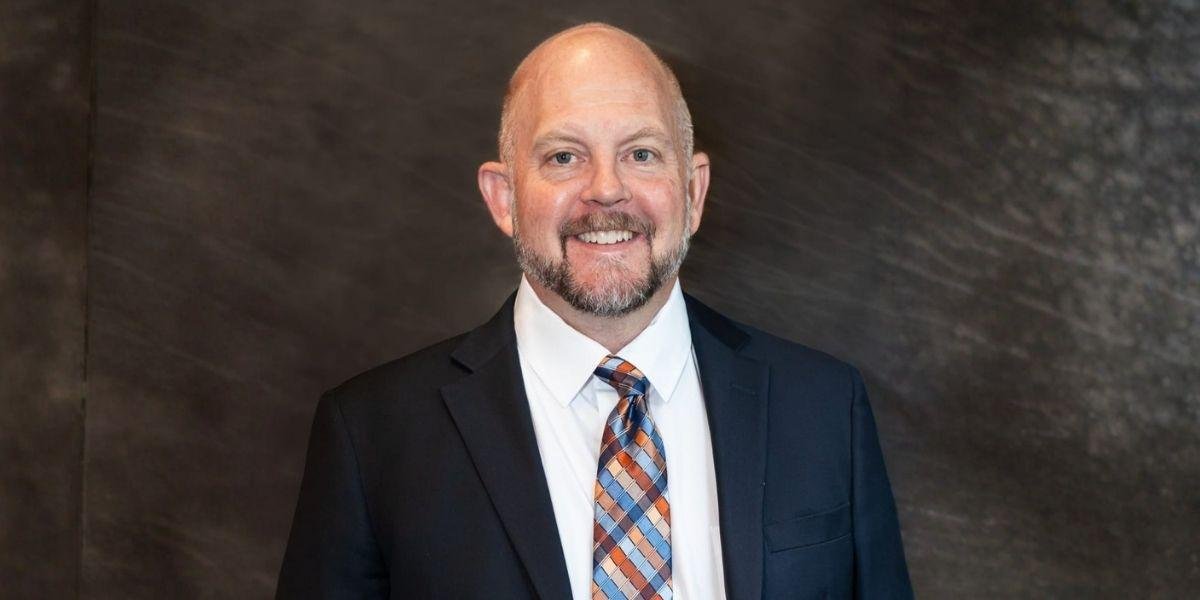
Bill Miller Leadership Defined by Compassion, Consistency, and Purpose

At 17 years old, long before executive titles or board appointments, Bill Miller experienced a moment that would shape the rest of his career. Working as a housekeeping aide in a senior care facility, he was invited to attend a resident’s wedding. It was not a formal obligation or a routine gesture. It was personal. The residents saw him not as staff, but as family.

That moment reframed what caregiving meant. It was not simply a service delivered within the walls of a facility. It was connection, trust, and presence. That early experience continues to guide how Bill Miller approaches leadership today, influencing decisions that affect residents, families, and the people who care for them every day.

With more than 25 years of experience in post acute healthcare, Bill Miller has held leadership roles across multiple levels, from facility operations to executive leadership overseeing dozens of centers. Today, as Chief Executive Officer, his perspective is shaped not only by operational knowledge but by lived experiences that define his values.

A Defining Moment That Set the Foundation

The invitation to that wedding did more than leave a lasting memory. It established a framework for how Bill Miller views the role of care providers.

Residents are not clients passing through a system. They are individuals building relationships in a place that often becomes their home. Staff members are not interchangeable positions. They are part of a community that carries emotional weight.

That understanding has remained consistent throughout his career. It informs how he evaluates success, not through metrics alone, but through the quality of relationships built within each facility.

The lesson was simple, but it stayed with him. When people feel seen and valued, the entire environment changes.

Compassion That Shapes Outcomes

Another early experience reinforced this perspective in a more profound way. Bill Miller recalls a young resident, not yet 20 years old, who struggled to engage in his recovery. Many doubted whether he would participate fully in therapy.

What changed was not a clinical intervention alone. It was a connection.

The resident formed a strong bond with a therapy aide who provided consistent encouragement. Over time, that relationship became a source of motivation. The resident began to look forward to therapy sessions and eventually took part in a vocational rehabilitation program while still in care.

On the day of discharge, the resident’s mother embraced the therapy aide and thanked her for saving her son’s life.

That moment highlighted the direct impact of compassion in care. It also carried personal significance. The therapy aide later became Bill Miller’s wife.

This experience reinforced a core belief. Care is not only about treatment plans. It is about human connection that can shift outcomes in ways that cannot always be measured.

Celebrating the Work That Goes Unseen

Leadership in senior care often involves navigating complex systems and responsibilities. Yet Bill Miller places equal importance on recognizing the people who deliver care daily.

He does not view celebration as a private or reserved act. Instead, he believes in acknowledging staff achievements openly and with enthusiasm. When a team member improves a resident’s experience, that success is shared across the organization.

This approach builds more than morale. It reinforces a culture where effort is noticed and valued. It creates an environment where staff feel connected to a larger purpose, rather than isolated within individual roles.

Recognition becomes part of the system, not an occasional gesture.

Values That Guide Difficult Decisions

In an industry where decisions can carry significant weight, Bill Miller relies on a set of core values shaped by years of experience.

These values are not theoretical. They are grounded in real situations, both positive and challenging, that have defined his understanding of responsibility.

He describes his moral compass as something developed over time through serving others. It does not shift based on convenience. Whether a decision is simple or difficult, the guiding principle remains the same.

Doing what is right is not always the easiest path. But consistency in values provides clarity when navigating complex situations.

This approach creates stability within leadership. It also builds trust among teams who look for consistency in how decisions are made.

Relationships Over Being Right

One of the most influential lessons in Bill Miller’s career came from a mentor he worked with for 17 years.

The lesson was direct. Being right is less important than maintaining relationships.

In practice, this means prioritizing long term trust over short term validation. It shapes how disagreements are handled, how conversations are approached, and how success is defined.

Winning an argument may offer immediate satisfaction. Preserving a relationship creates lasting impact.

This philosophy has become a central part of his leadership style. It influences communication across teams and sets expectations for how people interact within the organization.

Respect and trust are not secondary to outcomes. They are essential to achieving them.

Staying Connected to the Work That Matters

Senior care is an industry that can be emotionally demanding. For leaders, maintaining perspective is critical.

Bill Miller stays grounded by spending time in the environments where care is delivered. When faced with difficult days, he visits facilities and connects directly with residents and staff.

These visits serve as a reminder of purpose. They highlight the progress being made and the impact of daily efforts.

They also reinforce accountability. Seeing the work firsthand provides a clear view of what is working and where improvements are needed.

Rather than distancing leadership from operations, this approach keeps decision making closely tied to real experiences within each facility.

A Team That Reflects the Mission

The strength of an organization is often revealed during challenging periods. Bill Miller points to a defining moment when his team demonstrated a deep commitment to residents.

At the start of a new operation, staff faced significant hardships caused by the prior operator, including missed paychecks and lapses in health insurance coverage. Despite these challenges, they continued to show up every day.

Their decision to remain was not driven by obligation alone. It reflected a sense of responsibility to the residents they served.

This level of dedication speaks to a culture built on purpose. It shows that when values are clear, teams align around more than job descriptions.

They align around the people who depend on them.

A Patient First Approach to Leadership

At the core of Bill Miller’s leadership philosophy is a simple principle. If decisions are made in the best interest of the resident, everything else tends to follow.

This perspective influences operational, financial, and cultural choices.

Rather than viewing these areas as competing priorities, he sees them as interconnected. When resident care is prioritized, it creates positive outcomes across the organization.

This approach also supports a balanced perspective. It recognizes the need for operational efficiency while maintaining a clear focus on the individuals receiving care.

The goal is not to choose between care and performance. It is to align them.

Bringing Clarity to a Complex Industry

Skilled nursing care is often misunderstood. Bill Miller acknowledges that part of the responsibility lies within the industry itself.

Facilities operate under extensive regulatory requirements. Documentation and compliance are essential to maintaining licensure. At the same time, these processes do not always translate into visible improvements for residents.

There are also financial realities that are not always fully understood by families. Operating a facility requires significant resources, both in staffing and infrastructure.

Balancing these demands while maintaining high quality care is a constant challenge.

Bill Miller advocates for greater transparency. By helping families understand these complexities, trust can be strengthened and expectations can be aligned.

Clarity does not eliminate challenges, but it creates a foundation for more informed conversations.

Leadership Built on Consistency and Presence

Throughout his career, Bill Miller has returned to a straightforward piece of advice that defines his leadership approach.

Show up. Do what is right. Stay consistent.

This guidance reflects the experiences that have shaped his perspective. It is not based on a single moment, but on years of observing what leads to meaningful outcomes.

Consistency builds trust. Presence builds connection. Together, they create a framework for leadership that remains steady, even when circumstances are uncertain.

For Bill Miller, leadership is not defined by position alone. It is defined by actions repeated over time.

A Lasting Perspective on Purpose and Responsibility

The path from a 17 year old housekeeping aide to Chief Executive Officer is marked by experiences that continue to influence every decision.

The early realization that caregiving is about family set the foundation. The story of a young resident reinforced the impact of compassion. Lessons from mentors shaped communication and priorities.

Each of these moments contributes to a leadership style grounded in purpose.

Bill Miller’s approach reflects a broader understanding of what senior care requires. It is not only about systems or processes. It is about people, relationships, and the responsibility that comes with serving others.

That perspective continues to guide his work, ensuring that the focus remains where it began.