









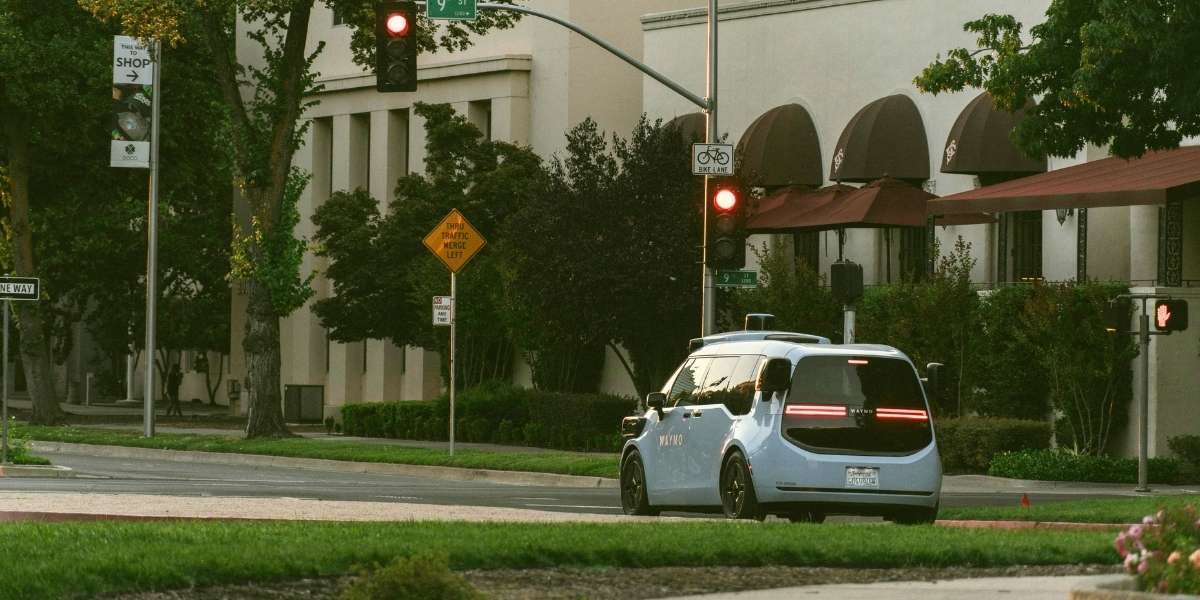
Waymo Ojai robotaxis are now available to all riders in San Francisco, moving the company’s next-generation vehicle beyond its earlier limited rollout. The Aug. 19 expansion also covers Los Angeles and Phoenix, giving more passengers access to a redesigned cabin, Waymo’s sixth-generation autonomous driving system and new in-car technology.
Key Takeaways
- Waymo opened the Ojai to all riders in San Francisco, Los Angeles and Phoenix on Aug. 19, 2026.
- About 300 Ojai vehicles were in Waymo’s commercial fleet at the time of the broader rollout, according to a company spokesperson.
- Riders can be matched with an Ojai, but general customers cannot yet select the vehicle when requesting a trip.
- Ojai is the first passenger vehicle to introduce Waymo’s sixth-generation Waymo Driver in regular public service.
- The vehicle also includes a redesigned cabin with sliding doors, three screens and access to Gemini in Waymo.
Waymo Ojai Robotaxis Enter Regular San Francisco Service
Waymo Ojai robotaxis are becoming a more visible part of San Francisco’s driverless transportation network after the Alphabet-owned company opened the vehicles to all riders on Aug. 19.
The change means customers requesting a standard Waymo ride can now be matched with an Ojai when one is available nearby. The vehicle had previously been offered to selected riders as Waymo gathered feedback during an earlier rollout that began in May.
Waymo introduced those initial Ojai rides in San Francisco, Los Angeles and Phoenix. Some early participants received free trips as the company evaluated the passenger experience before expanding availability.
About 300 Ojai vehicles were part of Waymo’s commercial fleet by the August expansion, a company spokesperson told TechCrunch. That figure covers the company’s markets rather than San Francisco alone.
The relatively small number also means the Jaguar I-Pace remains a common sight in the city. Riders cannot yet generally request an Ojai specifically, although Waymo has said vehicle selection is expected after more units enter service.
The expansion adds another vehicle to San Francisco’s growing network of driverless taxi services, where autonomous vehicles now operate alongside buses, trains, conventional taxis and app-based ride services.
Visually, the Ojai is difficult to confuse with Waymo’s existing Jaguars. It uses a taller, more rectangular design, a light-blue exterior and large sliding passenger doors rather than the conventional doors found on the I-Pace.
The name is pronounced “Oh, hi.”
A New Vehicle Changes the Rider Experience
Waymo developed Ojai specifically around autonomous ride-hailing rather than adapting a conventional passenger vehicle after production. Its layout reflects that purpose, particularly in the passenger compartment.
A low step and flat floor are intended to simplify entry and movement inside the vehicle. Large sliding doors can also open automatically when a rider approaches if the corresponding setting is enabled in the Waymo app.
Inside, three LED screens provide trip information and access to cabin features. The screens do not simply duplicate one another. Waymo has designed the interface to adjust information and controls depending on where passengers are seated.
The Ojai can carry up to four riders. Waymo also allows a passenger who is at least 8 years old to use the front seat.
Its rear cargo area can accommodate items such as luggage, a folded stroller or a folded wheelchair, depending on their dimensions.
Accessibility features are integrated throughout the cabin. Waymo lists embedded braille, screen-reader compatibility and a handle built into a seat to provide additional support when entering or leaving the vehicle.
Those features are separate from Waymo’s wheelchair-accessible vehicle service for passengers who need to remain seated in a wheelchair during a trip. That service uses manually driven accessible vehicles rather than the standard Ojai configuration.
The changes make the passenger experience one of the clearest differences between the Ojai and the Jaguar I-Pace. Rather than modifying the interior of an existing premium SUV, the Ojai platform gives Waymo more control over how passengers enter, sit and interact with the vehicle.
Sixth-Generation Waymo Driver Moves Into Public Service
The more significant change sits behind the passenger-facing design.
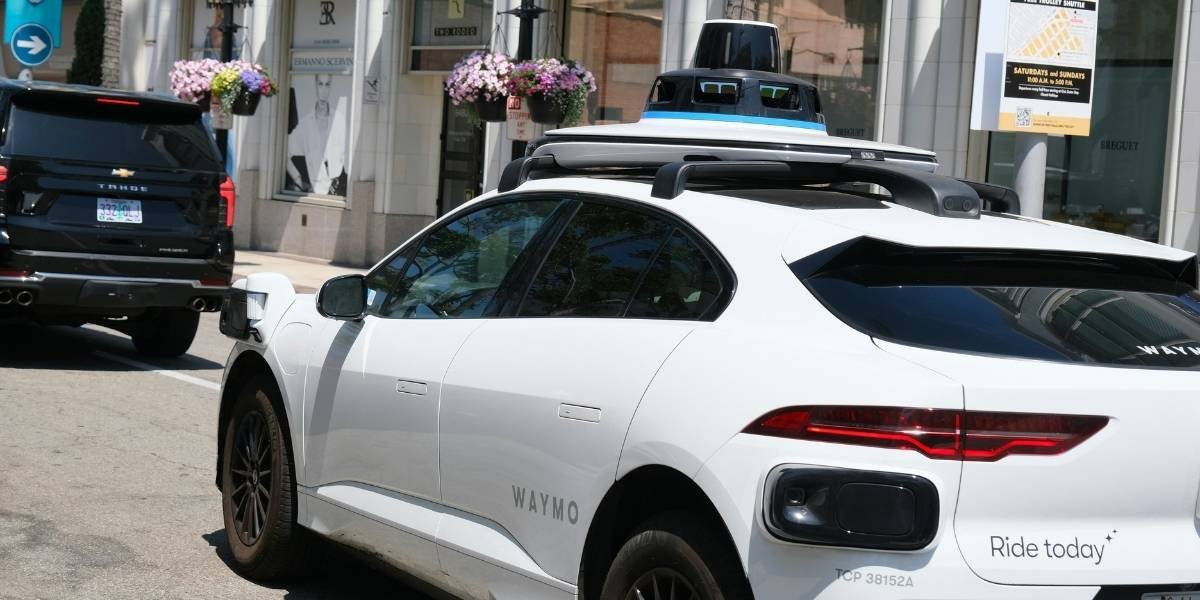
Photo Credit: Unsplash.com
Ojai is the first public Waymo vehicle equipped with the company’s sixth-generation Waymo Driver, the combined hardware and software system responsible for operating the vehicle without a human driver.
Waymo says the sixth-generation system uses high-resolution cameras, lidar, imaging radar and external audio receivers to interpret its surroundings. The company has described the configuration as more streamlined than the system used on its previous-generation vehicles.
The system is also designed for use across multiple vehicle platforms. In addition to Ojai, Waymo is adapting the same generation of its autonomous driving technology for the Hyundai Ioniq 5.
That flexibility is important as Waymo moves beyond a fleet dominated by the Jaguar I-Pace. The company has already expanded the geographic range of those vehicles, including through its earlier Waymo freeway expansion in the Bay Area.
The Ojai itself is based on a vehicle platform produced by Zeekr. Base vehicles are transported to the United States, where Waymo integrates its autonomous driving hardware and related systems.
Waymo has said its Mesa, Arizona, operation is scaling toward the capacity to produce tens of thousands of Waymo-enabled vehicles per year. That figure describes potential production capacity rather than the number of vehicles currently on public roads.
The distinction is significant because the current Ojai fleet remains much smaller. The roughly 300 units reported in August represent an early stage of deployment as Waymo introduces the new platform into established markets.
For San Francisco riders, the rollout brings the sixth-generation system into routine passenger trips rather than employee testing or restricted early-access service.
Gemini Adds a New Layer to the Ojai Cabin
The Ojai also introduces a different approach to passenger controls through Gemini in Waymo, which the company unveiled for the vehicle in July.
Gemini operates through the cabin interface and allows riders to use voice commands for selected functions. Waymo says passengers can adjust cabin settings, access trip information and ask general questions through the system.
For example, riders can use Gemini to change temperature settings or interact with entertainment and trip features rather than navigating every control manually.
Waymo has kept the assistant separate from the autonomous driving system. Gemini handles passenger-facing interactions, while the Waymo Driver remains responsible for operating the vehicle.
That separation is important because the two systems perform fundamentally different functions. The conversational assistant controls or accesses cabin features, while the sixth-generation Waymo Driver interprets road conditions and manages vehicle movement.
The broader Ojai rollout therefore represents more than a change in vehicle appearance. It puts a new passenger platform, a new generation of Waymo’s autonomous driving technology and a redesigned digital interface into commercial service at the same time.
San Francisco remains a mixed-fleet market. Riders can still receive a Jaguar I-Pace when requesting a trip, while the approximately 300 Ojais reported across Waymo’s commercial operations make the newer model less common.
For now, the most immediate effect of the Waymo Ojai robotaxis expansion is that access is no longer restricted to selected riders. Any Waymo customer in San Francisco can be matched with one when an Ojai is available, bringing the company’s latest vehicle into regular passenger service.
Frequently Asked Questions
What are Waymo Ojai robotaxis?
Waymo Ojai robotaxis are purpose-built autonomous ride-hailing vehicles based on a platform from Zeekr and equipped with Waymo’s driving technology. They feature a redesigned passenger cabin and are the first vehicles to introduce the sixth-generation Waymo Driver to public riders.
Can anyone ride in a Waymo Ojai in San Francisco?
Yes. Waymo opened Ojai availability to all riders in San Francisco, Los Angeles and Phoenix on Aug. 19, 2026. Customers may be assigned an Ojai when requesting a Waymo trip if one is available nearby.
Can riders specifically request an Ojai?
General riders cannot yet choose an Ojai instead of a Jaguar I-Pace when requesting a trip. Waymo has indicated that vehicle selection is expected after the number of Ojai vehicles in its fleet increases.
How many passengers can the Ojai carry?
The Ojai can carry up to four passengers. Waymo also permits riders who are at least 8 years old to use the front passenger seat.
Does Gemini control the Waymo Ojai robotaxis?
No. Gemini in Waymo provides passenger-facing functions such as cabin controls and trip information, but it operates separately from the Waymo Driver. The Waymo Driver controls the movement and navigation of the vehicle.


