










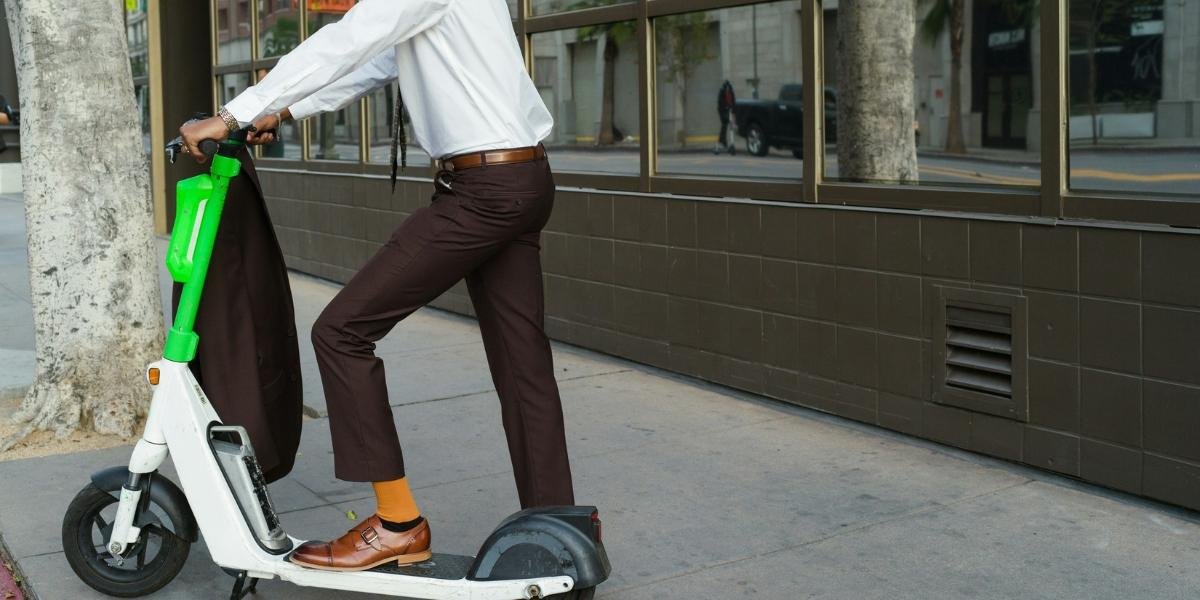
San Francisco scooters operated by Lime are getting AI-powered cameras designed to detect sidewalk riding and warn users to return to the street. About 30% of the company’s local fleet now carries the technology, with full coverage targeted for 2027. The rollout addresses growing pedestrian safety concerns while raising questions about detection accuracy and camera data.
Key Takeaways
- Lime says approximately 30% of its San Francisco scooter fleet is equipped with Lime Vision cameras
- The technology detects sidewalk riding and alerts users until they return to the street or end their trip
- San Francisco recorded 210 severe injuries involving e-bikes and e-scooters in 2025, according to SFMTA figures reported by KRON4
- Lime expects to equip its entire local scooter fleet with the technology by 2027
- Publicly available local data has not established whether the cameras have reduced sidewalk violations or injuries
Lime’s latest San Francisco deployment adds camera-based detection to existing sidewalk-riding restrictions. The technology, known as Lime Vision, analyzes the riding surface to distinguish sidewalks from streets and designated bike lanes.
The October 30 rollout report comes as San Francisco transportation officials monitor complaints about electric scooters and other micromobility devices. The cameras introduce another method of identifying improper riding, although their effectiveness across the city’s streets has not yet been independently established.
AI Cameras Expand Across San Francisco Scooters
Lime Vision uses cameras mounted on electric scooters and artificial intelligence software to identify the surface beneath and around a moving vehicle. When the system detects sidewalk riding, it alerts the user to return to an area where scooter travel is permitted.
According to KRON4’s October 30 reporting, the warnings continue until the rider leaves the sidewalk or ends the trip. The technology is intended to discourage riding in pedestrian areas without requiring someone to observe each incident.
Unlike a warning based solely on GPS location, a camera-equipped system uses visual information to identify where the scooter is traveling. This distinction is relevant in areas where sidewalks, bike lanes and roadways are close together.
However, available reporting does not establish the system’s detection accuracy across San Francisco’s varying street layouts. Lime has not publicly provided local figures showing how often the cameras identify sidewalk violations or how frequently riders respond to the alerts.
The technology also has a longer development history. In July 2022, Lime outlined plans to test its own camera-based sidewalk detection system in San Francisco and Chicago. The company subsequently demonstrated Lime Vision in Seattle, where testing documented audible warnings and notifications through the Lime app.
The current San Francisco deployment expands the use of camera-based monitoring rather than introducing an entirely new concept.
Lime says approximately three in ten scooters in its local fleet currently carry the camera equipment. The company expects to extend coverage across its entire San Francisco fleet in 2027, although that remains a projected deployment target.
Sidewalk Complaints and Injury Reports Draw Attention to Scooter Safety
The camera rollout coincides with heightened attention to pedestrian safety involving electric scooters and other small electric vehicles.
According to San Francisco Municipal Transportation Agency figures reported by KRON4, the city recorded 210 severe injuries involving e-bikes and e-scooters in 2025. Another 116 were recorded during the first six months of 2026.
Those figures cover multiple types of electric vehicles and do not establish how many incidents involved Lime scooters or occurred on sidewalks. They also do not indicate how many injuries camera-based detection might have prevented.
In an October 7 safety update, the SFMTA separately reported a sharp increase in serious injuries involving stand-up electric scooters.
Complaints provide another indication of local concern. Reports submitted through San Francisco’s 311 service about sidewalk riding have increased since 2024, according to KRON4. However, complaint totals reflect public reporting activity rather than independently confirmed violations.
Additional context comes from an October 29 survey published by pedestrian advocacy organization Walk San Francisco.
Among nearly 300 respondents, 55.3% reported significant safety concerns involving shared electric scooters at least weekly. Separately, 70% said they had experienced a close call involving a micromobility device without a collision.
The survey reflects voluntarily submitted experiences and should not be interpreted as a representative measurement of citywide incidents.
Respondents also identified concerns involving scooter parking and conflicts between pedestrians and faster-moving devices. Some reported that limited street infrastructure may contribute to sidewalk riding when riders feel uncomfortable using roadways.
Similar concerns about shared pedestrian space have informed the Sunset Dunes safety redesign, which introduced separate areas for slower pedestrian activities and faster-moving cyclists and scooter users.
Lime’s camera system addresses rider behavior directly, while infrastructure changes focus on how different types of transportation use public space.
City Rules and Privacy Practices Shape Lime Vision’s Deployment
San Francisco already has requirements governing sidewalk-riding detection for shared electric scooters.
Under the city’s transportation code, operators have been required since September 2023 to use GPS-based detection, audible warnings, end-of-trip feedback and location restrictions in designated areas.
The rules also require an additional detection method. Options include cameras, motion sensors, automatic speed reduction and more precise location technology.
Camera monitoring is therefore one of several permitted approaches rather than a requirement that every shared scooter use identical equipment.
The SFMTA’s October 7 safety guidance states the rule directly: “Never ride on the sidewalk.”
The agency’s broader approach also includes rider education, traffic enforcement, street improvements and injury-data reviews. Camera warnings address one part of that work but do not independently resolve concerns involving road conditions, inadequate parking or conflicts in crowded areas.
Street design remains another component of pedestrian safety. The planned Minna Natoma streetscape improvements include wider sidewalks, raised crosswalks and infrastructure changes intended to improve pedestrian movement in the South of Market neighborhood.
Lime Vision also introduces questions about how visual information is collected and processed.
According to Lime’s published privacy notice, camera-enabled vehicles collect environmental images to help identify road and sidewalk boundaries. The company states that environmental visual data is processed during rides and that any further processing occurs without association with the rider’s account.
The notice does not specify a retention period exclusively for San Francisco Lime Vision footage. Publicly available information also does not establish how often images of pedestrians are captured during normal operation.
Those uncertainties do not establish that the system continuously records trips or identifies individuals. They highlight the difference between the technology’s stated safety purpose and the details available about its data-handling practices.
For San Francisco scooters equipped with Lime Vision, the immediate operational change is a camera-assisted warning when sidewalk travel is detected. Available local reporting has not yet established whether those warnings have reduced violations, complaints or injuries.
Frequently Asked Questions
How do Lime’s AI cameras detect sidewalk riding?
Lime Vision uses cameras and artificial intelligence to distinguish sidewalks from streets and bike lanes. When the technology detects sidewalk travel, it alerts the rider to return to an approved riding area.
How many San Francisco scooters have Lime Vision cameras?
Lime says approximately 30% of its San Francisco scooter fleet currently carries the technology. The company has set a target of equipping its entire local fleet by 2027.
Are electric scooters allowed on San Francisco sidewalks?
San Francisco prohibits riding electric scooters on sidewalks. The SFMTA directs riders to use appropriate roadway or bicycle facilities and to keep pedestrian areas clear.
Do Lime’s AI cameras automatically issue fines?
The reported San Francisco deployment focuses on detecting sidewalk riding and warning users to change their route. Public reporting has not established that the cameras automatically issue fines.
Have Lime’s cameras reduced scooter-related injuries?
Publicly available San Francisco data has not established a reduction in injuries attributable to Lime Vision. The city’s broader electric-vehicle injury figures cannot be used to measure the cameras’ effectiveness without more specific information.


