








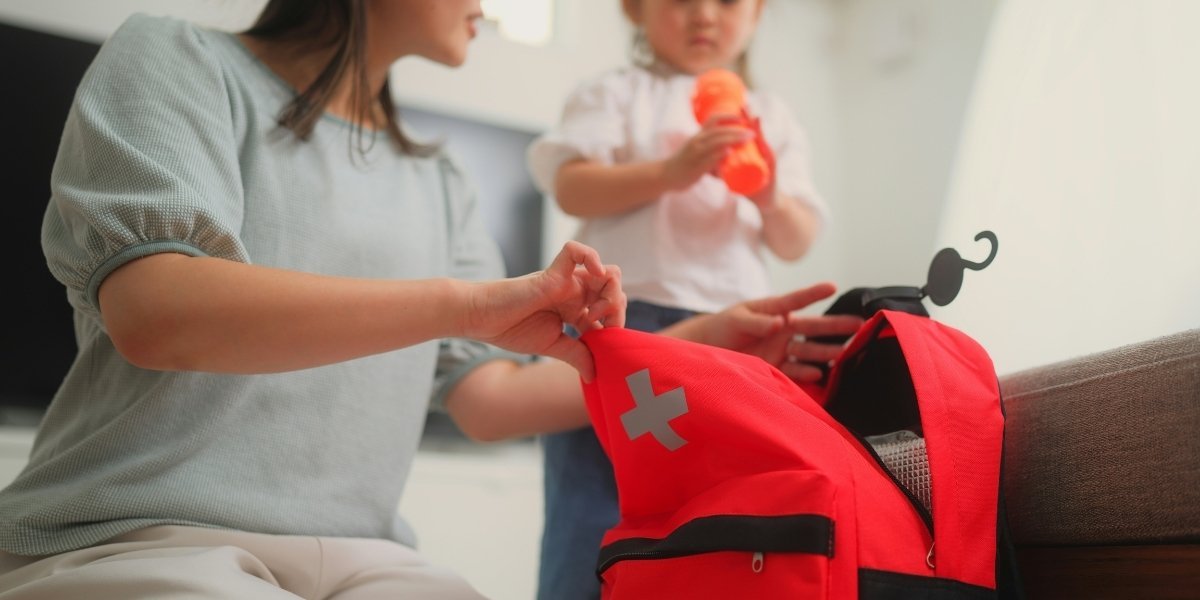
Emergency preparedness in San Francisco requires more than just awareness, it demands action. With the city’s unique mix of seismic activity, wildfire risk, and climate-related threats, having a well-stocked go bag is a critical step toward personal safety. A go bag is a portable kit filled with essential items that can support survival and comfort for at least 72 hours during an emergency evacuation.
Why a Go Bag Matters in San Francisco
San Francisco’s geography and infrastructure make it particularly vulnerable to sudden disruptions. Earthquakes can strike without warning, wildfires can spread rapidly in surrounding areas, and rising sea levels pose long-term risks to coastal neighborhoods. In such scenarios, evacuation may be necessary with little time to prepare.
A go bag ensures that individuals and families have immediate access to supplies that support mobility, communication, and basic needs. Emergency services may be delayed, and access to stores or pharmacies could be limited. Having a go bag ready can reduce stress and increase resilience during critical moments.
Core Essentials for Every Go Bag
The foundation of any go bag includes items that support hydration, nutrition, hygiene, and first aid. These essentials should be packed in a durable, weather-resistant backpack that is easy to carry.
- Water: At least one gallon per person per day for three days. Consider collapsible water containers or purification tablets for extended emergencies.
- Food: Non-perishable items such as energy bars, canned goods, dried fruit, and trail mix. Include a manual can opener if needed.
- First Aid Kit: Bandages, antiseptic wipes, gauze, adhesive tape, tweezers, pain relievers, and any necessary prescription medications.
- Flashlight and Batteries: LED flashlights with extra batteries or solar-powered options.
- Multi-tool: A compact tool with knife, screwdriver, scissors, and other useful functions.
- Hygiene Supplies: Toothbrush, toothpaste, soap, hand sanitizer, feminine hygiene products, and moist towelettes.
- Face Masks: N95 or KN95 masks for protection against smoke, dust, or airborne particles.
Documents and Identification
Important documents should be stored in waterproof sleeves or digital backups. These include:
- Copies of identification (driver’s license, passport)
- Insurance policies
- Medical records
- Emergency contact list
- Local evacuation maps
In areas impacted by wildfires, having proof of residency and insurance can be crucial when returning home or accessing recovery services. Residents in high-risk zones may benefit from reviewing home security strategies for wildfire-prone areas to complement their go bag planning.
Communication and Navigation Tools
Staying informed during an emergency is vital. A go bag should include:
- Battery-powered or hand-crank radio: To receive updates from local authorities.
- Portable phone charger: Preferably solar-powered or with long battery life.
- Whistle: For signaling in case of entrapment or low visibility.
- Local maps: Printed versions in case GPS is unavailable.
In coastal neighborhoods, where climate resilience is increasingly important, residents may also want to stay updated on San Francisco’s response to rising sea levels, which could influence evacuation routes and shelter access.
Clothing and Shelter Supplies
Weather in San Francisco can be unpredictable, especially during emergencies. A go bag should include:
- Change of clothes: Including sturdy shoes, socks, and layers for warmth.
- Rain poncho or jacket: Lightweight and compact.
- Emergency blanket: Mylar blankets are space-efficient and retain body heat.
- Gloves and hat: Useful for cold nights or debris handling.
- Small tent or tarp: For temporary shelter if evacuation centers are full.
Packing for comfort and protection ensures that individuals can remain mobile and safe while waiting for assistance or relocating to safer areas.
Special Considerations for Families and Pets
Families with children or pets should customize their go bags to meet specific needs. For children, include:
- Diapers and wipes
- Formula or baby food
- Small toys or books for comfort
- Child-sized masks and clothing
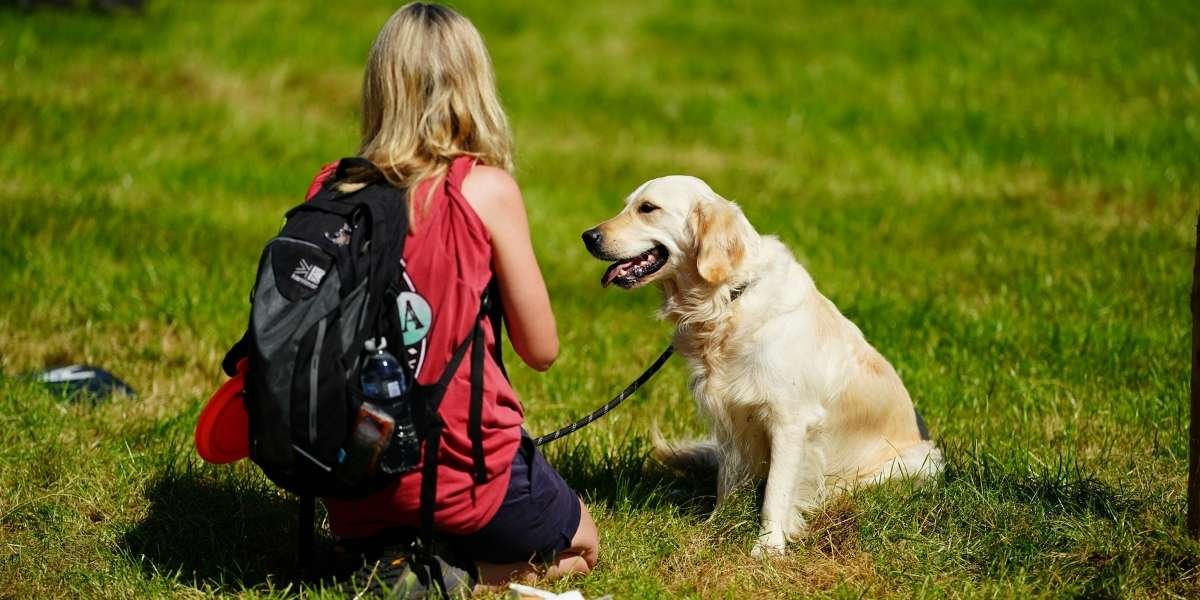
Photo Credit: Unsplash.com
For pets, prepare:
- Leash and collar
- Pet food and water
- Waste bags
- Copies of vaccination records
Emergency shelters may have restrictions, so having pet supplies ready can ease transitions and reduce stress during evacuations.
Go Bag Maintenance and Rotation
A go bag is not a one-time project, it requires regular updates. Items such as food, batteries, and medications should be checked every six months. Seasonal changes may also require clothing adjustments or additional supplies.
Labeling expiration dates and setting calendar reminders can help ensure that the go bag remains functional and ready. Families may choose to conduct quarterly drills to familiarize everyone with the contents and evacuation procedures.
Community Preparedness and Local Resources
San Francisco offers a range of resources to support emergency preparedness. Neighborhood Response Teams (NERT), community centers, and local nonprofits often host workshops and distribute materials to help residents build and maintain go bags.
Collaborating with neighbors can also improve outcomes during emergencies. Shared knowledge, pooled resources, and coordinated evacuation plans strengthen community resilience and reduce individual burden.
Practical Examples from San Francisco Households
In the Sunset District, one household keeps a go bag in both the car and the front closet, ensuring access whether at home or commuting. Their kits include extra phone chargers, local transit maps, and laminated cards with emergency contacts.
A family in Bernal Heights includes pet supplies for two dogs and a cat, along with a foldable carrier and extra water. Their go bag also contains a USB drive with scanned documents and insurance records.
In the Mission, a retired couple keeps their go bag in a rolling suitcase for easier transport. Their kit includes prescription medications, backup eyeglasses, and a small battery-powered fan for heatwaves.
These examples reflect the diversity of needs across San Francisco and highlight how personalized go bag planning can make a meaningful difference.
Grocery stores, pharmacies, and hardware shops may be inaccessible during emergencies, making a well-prepared go bag a vital tool for survival and comfort. As San Francisco continues to face environmental and infrastructural challenges, proactive planning remains one of the most effective ways to stay safe and resilient.


