









San Francisco continues to be known for its scenic hills, tech‑driven economy and cultural vibrancy, but the city’s high cost of living remains a persistent challenge for many residents. With median rents still among the highest in the United States in 2026, some residents are exploring alternative housing arrangements, including living in recreational vehicles (RVs). This trend reflects ongoing affordability pressures and evolving urban lifestyles in a city where housing supply has struggled to keep pace with demand.
Skyrocketing Rent and Cost of Living in San Francisco
San Francisco has long ranked among the most expensive U.S. housing markets, a status that has remained in 2026. Multiple housing reports indicate that average rents for one‑bedroom apartments in the city center continue to exceed $3,000 per month, with some neighborhoods reporting averages closer to $3,500 to $4,000. Factors contributing to these high prices include a strong job market tied to technology and professional services, limited space for new construction, and regulatory and zoning constraints that have slowed housing development.
In addition to rent, the overall cost of living in the Bay Area, including groceries, transportation and utilities — often exceeds national averages by a significant margin. These conditions have led some individuals and households to reconsider traditional housing options and look toward atypical solutions.
RV Living Attracts Interest as an Alternative

Photo Credit: Unsplash.com
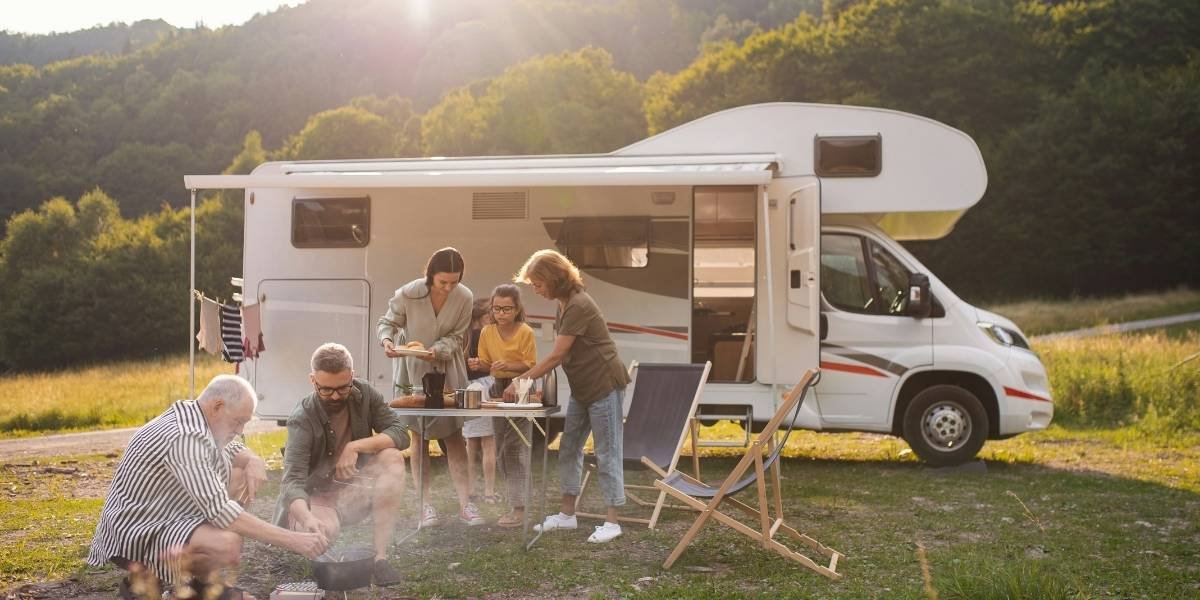
In response to persistent housing costs, some San Francisco residents have adopted RV living as a more affordable option. For those able to secure parking, RV living can reduce monthly housing expenses compared with renting a conventional apartment in high‑rent neighborhoods. An RV can provide mobility and flexibility while allowing occupants to live near the city or travel within the region.
Many people who choose this lifestyle emphasize the ability to move around the Bay Area and beyond. RV living appeals to individuals and small households seeking lower fixed housing costs, a compact living environment, and the opportunity to integrate travel into daily life. While the lifestyle is unconventional, it has gained visibility as residents adapt to cost pressures.
Costs and Practical Considerations for RV Residents
The financial picture for RV living varies with the type of vehicle and lifestyle choices. Quality used RVs in good condition can range widely in price, with many models available between approximately $20,000 and $50,000, though more modern or larger units may cost more. Ongoing expenses can include insurance, maintenance, fuel, and campground fees.
Insurance costs for RVs typically range from moderate to higher levels depending on the vehicle’s value and coverage type. Maintenance needs can increase with age and usage, and fuel costs tend to be higher than typical vehicle use due to the size and weight of RVs.
For many, these ongoing expenses remain lower than average monthly rent in San Francisco when compared on a cost‑per‑month basis. That comparative affordability is a key reason the option continues to attract interest, especially among renters who face rising housing costs.
Benefits Seen by RV Residents
People who adopt RV living in the Bay Area cite several advantages:
- Flexibility: RVs allow residents to change locations easily, explore different parts of the region, or travel seasonally.
- Affordability: Lower fixed housing costs can offer relief compared with average rents in the city.
- Simplified Lifestyle: Smaller living spaces can encourage downsizing and reduced consumption.
- Outdoor Proximity: RV residents often seek locations near parks, waterfronts or scenic areas, blending urban and outdoor experiences.
For some, community aspects also form part of the lifestyle, as RV residents connect through informal networks and shared experiences around mobile living.
Challenges Around Legal Parking and Services
Despite the potential benefits, RV living in San Francisco involves practical hurdles. Finding legal, long‑term parking can be difficult, as city regulations limit where overnight vehicle dwelling is permitted. Designated RV parks and campgrounds are available in some nearby areas, but spaces can be limited and sometimes costly. Street parking for RVs is often subject to restrictions, and residents risk citations or towing if they are not in compliance with local rules.

Photo Credit: Unsplash.com
Access to utilities such as water, electricity and sewage also requires planning. Many RV residents rely on RV parks, public facilities or service areas for these needs. Some RVs are equipped with solar panels and self‑contained systems to support off‑grid living, which can mitigate utility challenges but may require additional investment.
Colder months can present another challenge. San Francisco’s coastal climate, though moderate, can feel chilly in an RV without adequate insulation or heating. Residents considering year‑round mobile living often invest in insulation upgrades and heating solutions to improve comfort.
How RV Residents Navigate Bay Area Living
RV residents in the Bay Area adopt a range of strategies to make mobile living workable. Some choose locations with more flexible parking rules, while others rotate between campgrounds and permitted sites. Social media and local groups sometimes share information about parking regulations, service areas, and community events for mobile dwellers.
Several RV owners equip their vehicles with off‑grid systems, such as portable solar panels and water storage upgrades, to enhance independence from traditional infrastructure. These systems can allow residents to stay in certain areas longer without connecting to campground utilities.
Individuals also balance RV living with work and community life by using coworking spaces, public libraries, or coffee shops as remote work locations. For some, this blended lifestyle supports both economic needs and personal interests.
RV Living as Part of a Broader Housing Discussion
While RV living remains a niche lifestyle rather than a widespread solution, it highlights larger housing affordability issues facing San Francisco. Urban planners and housing advocates note that high rent and limited inventory have pushed residents to consider diverse living strategies, including co‑living arrangements, accessory dwelling units, and mobile or temporary housing options.
City officials periodically review policies related to RV parking and affordable housing access as part of broader housing strategy discussions. These conversations reflect ongoing efforts to balance urban livability with enforcement of safety and zoning regulations.
Looking at Mobility and Housing Trends
RV living in San Francisco illustrates how some residents are adapting to economic and housing pressures with creative housing choices. For a segment of the population seeking lower housing costs and more flexible living arrangements, mobile living offers an alternative path. At the same time, challenges around legal parking, infrastructure and comfort during cooler weather underline that this lifestyle is not suitable for everyone.
As the city continues to grapple with high costs and housing constraints in 2026 and beyond, diverse living arrangements, from traditional rentals to mobile homes, remain part of the broader dialogue about how people live, work and thrive in one of the nation’s most expensive urban centers.


