The Bay Area Town Where Your Backyard Is 1,300 Acres of Protected Wilderness

By: Matt Emma

San Franciscans have been hearing about sustainable home building for nearly two decades, but haven’t seen much of it materialize in their own backyards. Now, less than an hour from the city, a community just off Highway 80 is doing what California has long talked about but rarely delivered at scale: building truly sustainable neighborhoods in the midst of a permanently protected natural landscape, and selling them as fast as they can build them.

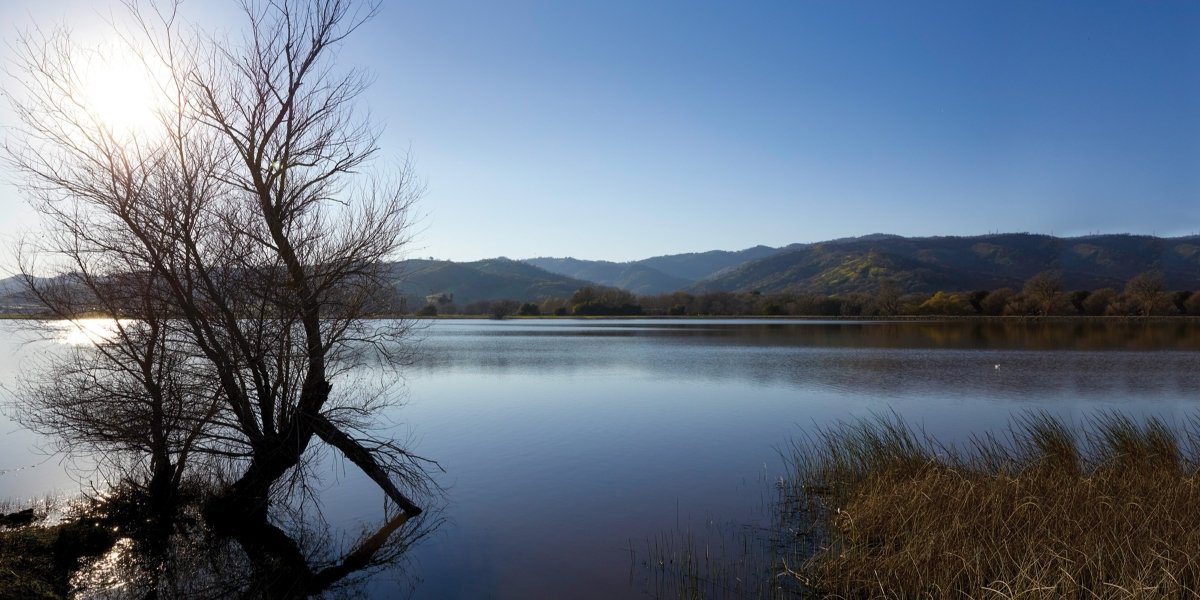
Lagoon Valley in Vacaville is the Bay Area’s first environmentally sustainable Conservation Community. More than 130 homes have been sold and the appeal isn’t hard to understand when you look at what’s actually on offer: 1,300 acres of permanently protected open space runs through the neighborhoods where the land itself, not just the architecture, offers the promise of sustainability. The community earned a U.S. Green Building Council Green Building Award for a Nature-Based Community, and the design principles that earned that distinction go far beyond solar panels and efficient appliances.

For Bay Area buyers who have long agonized over the choice between an unaffordable urban footprint and a long drive to any kind of open space, that combination is rare enough to be newsworthy in its own right.

“Nothing compares to living in a natural preserve,” says Amber, a homeowner in the community’s Lilac Ridge neighborhood. “There are places that will remain undisturbed, and we get to live among nature. Where else do you get to do that in California?”

It’s a question worth contemplating. San Francisco has always had a close but complicated relationship with nature. The city is flanked by some of the most stunning coastline and parkland in the nation, yet most people experience that beauty as a weekend destination rather than a daily backdrop. Lagoon Valley is betting buyers want something different: not a retreat from their lives into nature, but a life lived inside it every day.

Hannah, a resident in the Rosemary Grove neighborhood, says her family’s decision came down to exactly that proximity. “When we heard about this community, we were very interested, especially given the sustainability and proximity to the water at Lagoon Valley Park,” she says. Her family, she adds, simply loves the outdoors and wanted a home that reflected that rather than working against it.

For other buyers, the draw was generational. Benjamin, who lives in the community, frames the decision around his children. “What brought us to Lagoon Valley was the lifestyle change,” he says. “We wanted to put our kids in a place where they would be able to grow up outside.”

That sentiment may be part of what sets Lagoon Valley apart from many of the “green” developments that have featured in California real estate marketing over the years. Here, the conservation framing isn’t an amenity added on afterward; it shapes the structure of the community itself.

Photo Courtesy: Lagoon Valley

Residents enjoy a wide range of climate-conscious features as a result. A new 71-acre Wetland Park sits adjacent to the existing 400-acre Lagoon Valley Park, with local organic food supported through a Community Supported Agricultural Foundation. Reduced impervious surfaces and expanded tree canopy minimize heat-sink effects and summer energy demand, whilst enhanced photovoltaic capacity eases reliance on conventional power. All fourteen neighborhoods are linked by safe, walkable, and bikeable routes to one another, the parks, and the Town Centre, with emergency vehicle access and wildfire buffer areas protecting each one. A series of stormwater detention basins improves hydrological function, cleaning and storing water to reduce downstream flooding risk. Live-work-play land uses are strategically designed to reduce commutes and provide local access to goods, services, and recreation, with homes, offices, and common areas built around sustainable principles, including greywater reclamation for irrigation. The community also contributes significantly to the Solano Land Trust, supporting the protection of additional land beyond Lagoon Valley itself.

Once complete, fourteen separate walkable neighborhoods will be linked by paths that provide non-vehicle access to open space and neighboring villages, along with a town center, an organic farm, nearly 400 acres of parks, and an 18-hole golf course.

Three neighborhoods, Lilac Ridge and Hawthorn Hills by Lennar, and Rosemary Grove by Taylor Morrison, are currently selling, with seven model homes open for tours. Two additional neighborhoods, from K. Hovnanian and DR Horton, are scheduled to open this fall.

Lagoon Valley offers one example of what’s possible in a region where the housing conversation has, for years, often felt like a choice between density and displacement: a sign that a sustainable, nature-integrated community can grow within reach of a major metro area, not just exist as an idea in a planning document. For the families already living amid the conservation areas woven through its neighborhoods, that’s not a promise on paper, but simply the view from their own front door.

Lagoon Valley’s Visitors’ Centre is located at 200 Mount Royal Road in Vacaville, just off Highway 80, and is open Wednesday through Sunday, 10 a.m. to 6 p.m. For more information, visit Lagoon-Valley.com.


San Francisco Luxury Home Sales Top $1 Million Above Asking

San Francisco’s luxury housing market recorded a significant increase in high-end properties selling for more than $1 million above their asking price during the first half of 2026, according to newly released brokerage and housing market data. The figures point to stronger competition for premium homes in several of the city’s established residential neighborhoods, widening the gap between listing prices and final sale values.

Key Takeaways

  • More than 140 San Francisco homes sold at least $1 million above asking between January and June 2026.
  • Forty-four of those transactions occurred during June.
  • Luxury properties sold for a higher percentage above asking than during the same period in 2025.
  • Competition remained strongest for move-in-ready homes in several high-demand neighborhoods.
  • Market data show the difference between asking prices and completed sale prices has expanded.

San Francisco luxury home sales accelerated during the first six months of 2026 as buyers competed more aggressively for premium residential properties. Market data released by Compass showed that more than 140 homes changed hands for at least $1 million above their listed price between January and June. The brokerage reported that 44 of those transactions were completed in June alone.

The latest figures represent a substantial increase from the same period one year earlier, when only eight homes sold for at least $1 million above asking. The change illustrates a significant increase in bidding activity within the city’s luxury housing segment.

Industry data also indicate that the premium paid above asking prices has increased beyond the highest-end transactions. Separate market information showed that the average San Francisco home sold for nearly 16% above its listing price in May 2026, compared with approximately 7% during the same month in 2025.

What Happened in San Francisco’s Luxury Housing Market?

The new sales figures indicate that high-end residential properties attracted substantially stronger buyer competition during the first half of 2026. Homes priced in the luxury segment recorded larger premiums above asking prices than they did a year earlier.

The increase was concentrated among properties that required little or no renovation before occupancy. Move-in-ready homes continued to attract multiple interested buyers, contributing to higher final sale prices.

The number of homes selling more than $1 million above asking remained a relatively small share of total residential transactions across the city. However, the sharp increase compared with the previous year signals a notable change in the upper tier of the San Francisco housing market. Readers following broader housing developments may also be interested in San Francisco housing market sleeping pods and their impact on evolving residential options across the city.

Housing market reports also showed that luxury properties achieved larger gains above asking than many lower-priced homes. That marked a change from previous patterns in which mid-priced homes typically generated the highest percentage premiums over list price.

Which Neighborhoods Saw the Strongest Buyer Competition?

Competition remained concentrated in several established San Francisco neighborhoods known for limited housing inventory and desirable residential amenities.

How Did Luxury Home Sales Compare With Previous Years?

Neighborhoods including Noe Valley, Pacific Heights and the Richmond District experienced some of the strongest demand for move-in-ready luxury homes. These communities have continued to attract buyers seeking larger residences, updated properties and established neighborhood services.

The year-over-year comparison illustrates how rapidly bidding activity increased within the luxury segment. During the first half of 2025, only eight San Francisco homes sold for at least $1 million above asking. During the same period in 2026, that figure exceeded 140 properties.

Market data also showed that luxury homes achieved larger premiums relative to asking prices than during the previous year. Homes within the top tier of the market averaged roughly 7% above asking during 2026, compared with less than 2% during the comparable period in 2025.

That shift also altered the relationship between different housing segments. Luxury homes recorded stronger gains above asking than starter homes, marking a change from previous market patterns.

What Factors Are Driving Higher Sale Prices?

Housing market data attribute the increase in premium home sales to stronger competition among buyers for a limited supply of desirable properties.

Industry analysts have also linked the heightened activity to growing wealth associated with San Francisco’s artificial intelligence sector. Increased purchasing power among buyers seeking luxury homes has contributed to more competitive bidding for properties that meet buyer preferences.

Move-in-ready homes have remained especially attractive because buyers can occupy the properties without significant renovation or construction work. Limited availability of those homes has added further pressure to bidding activity.

Listing strategies may also influence final transaction values. Some sellers continue to price homes below expected market value to encourage greater buyer participation. Competitive offers can then push completed sale prices substantially above the original listing amount. Broader discussions around affordable housing access also illustrate how different housing segments continue to face distinct market conditions.

What Could This Mean for Buyers and Sellers?

The latest market data suggest that buyers pursuing luxury properties may face increasingly competitive conditions when bidding on desirable homes.

Purchasers seeking homes in established neighborhoods could encounter multiple-offer situations more frequently than during the previous year. Higher final sale prices may require buyers to adjust their budgets or expectations when competing for available inventory.

Existing homeowners may benefit from stronger sale prices if they decide to sell. However, those purchasing another home within San Francisco could face the same competitive conditions affecting other buyers in the market.

The changing pricing patterns also indicate that the gap between advertised listing prices and completed transactions has widened. Buyers evaluating available homes may need to consider recent comparable sales rather than relying solely on asking prices when assessing market value.

Frequently Asked Questions

Why are San Francisco luxury homes selling above asking price?

Luxury homes have attracted stronger buyer competition, particularly for move-in-ready properties in sought-after neighborhoods. Competitive bidding has pushed many final sale prices above original asking prices.

How many homes sold for more than $1 million above asking in 2026?

More than 140 San Francisco homes sold for at least $1 million above asking between January and June 2026, with 44 of those sales occurring during June.

Which San Francisco neighborhoods have the strongest homebuyer demand?

Recent market data identified Noe Valley, Pacific Heights and the Richmond District among the neighborhoods experiencing strong competition for luxury homes.

How much above asking are luxury homes selling in San Francisco?

Housing market data showed that luxury homes averaged about 7% above asking during 2026, compared with less than 2% during the same period a year earlier.

What do the latest housing market data indicate for San Francisco?

Recent brokerage and housing market reports indicate stronger buyer competition, wider gaps between asking and final sale prices, and increased premiums for luxury homes during the first half of 2026.

JobSite Recon Lets Bay Area Contractors Search an Address and See How a Customer Treated the Last Crew

In one of the most expensive markets in the country to run a construction business, JobSite Recon is giving Bay Area tradespeople something they’ve never had: a shared, professional record of the customers who hire them.

San Francisco’s contractors, electricians, and remodelers navigate high overhead, dense permitting requirements, and a customer base that has long had Yelp, Google, and Angi to review them, with no equivalent tool in the other direction. JobSite Recon flips that dynamic. Before a contractor takes on a Pacific Heights remodel or a South Bay build-out, they can search the address and see how the property’s owner treated previous tradespeople: on-time payment, respectful communication, reasonable scope, or the opposite.

“Customers have had a million ways to review us for years,” said Brendan Sloan, founder of JobSite Recon. “In a market like San Francisco, where a single bad job can cost a contractor weeks of margin, that information should have existed a long time ago.”

The platform also addresses a dynamic common in the Bay Area’s layered subcontractor ecosystem: general contractors managing specialty subs across tech-industry build-outs, high-end residential projects, and commercial retrofits. Subs can document how a GC ran the job site and handled payment; GCs can document the same about their subs, all tied to a verified address, never a name.

Every review is checkbox-based, with no open text fields and no personal identifying information, keeping the record professional and legally defensible in a market where reputations move fast.

The stakes are especially high in a market where labor and materials already command a premium. Nationally, 82 percent of contractors now report payment waits of over 30 days, up from 49 percent just two years ago, and 97 percent of general contractors raised their bid prices in 2024 to account for that risk. In San Francisco, where a single delayed payment can mean the difference between a profitable job and a break-even one, that kind of visibility isn’t a convenience; it’s a business necessity. JobSite Recon lets a contractor weigh that risk before ever setting foot on the property.

The platform’s tiered account structure (Basic, Premium, and Verified) helps Bay Area users separate signal from noise in a tech-savvy market that’s quick to spot a low-effort or bad-faith review. Verified accounts are confirmed through a legitimate business domain email, and Premium accounts are prioritized in search results. Filtering by profession lets a general contractor see specifically what other GCs experienced with a given sub, or lets an HVAC specialist see what other HVAC contractors encountered at a particular commercial property, critical in a region where specialty trades often compete for the same high-value clients.

The quote documentation feature has also found a natural fit in San Francisco, where design-conscious homeowners and property developers frequently solicit numerous bids before selecting a contractor. A thumbs up or thumbs down at an address gives contractors a quick read on how much competitive bidding has already occurred, helping them decide where to invest their limited estimating time.

San Francisco’s growth has tracked alongside California’s broader adoption of the platform, part of the entirely organic expansion, largely word-of-mouth and social media, that has carried JobSite Recon to 40 states and users in Canada, the UK, and Ireland since its April 2026 launch.

JobSite Recon is available now at jobsiterecon.com and on the Apple App Store and Google Play.

3W Philanthropic Ventures: Building Clarity from Complexity in Multigenerational Wealth Planning

The advisory landscape is crowded with specialists. Legal experts handle governance structures. Wealth managers oversee investment strategies. Philanthropic consultants design giving programs. But when families and foundations face decisions that span all three domains, they often find themselves coordinating between multiple firms, translating between different perspectives, and hoping the pieces fit together coherently.

3W Philanthropic Ventures was founded on the belief that clients deserve better. The firm, which offers three service pillars, philanthropic architecture, wealth and legacy strategy, and customized consulting, brings together more than 100 years of combined experience across financial, legal, and philanthropic disciplines under one roof. Rather than asking clients to serve as project managers for their own complex decisions, 3W provides integrated guidance that simplifies what has traditionally been fragmented.

“Too often, individuals, families, founders, and charitable organizations are forced to navigate important decisions across multiple disciplines without a clear, integrated path forward,” explains the firm’s cofounder and chief executive officer, Dan Bolsen.

The result is a model that treats legal strategy, wealth planning, governance, and philanthropy not as separate services, but as interconnected elements of a larger strategic framework.

Why Integration Matters More Than Specialization

The inspiration behind 3W emerged from a fundamental gap in how advisory services are typically delivered. Most firms excel within their particular domain but struggle to coordinate effectively across disciplines. A family establishing a private foundation might work with an estate planning attorney, a tax advisor, a wealth manager, and a philanthropic consultant. Each professional brings valuable expertise, but the responsibility for ensuring these perspectives align falls to the client.

This fragmented approach creates particular challenges when stakes are high. Governance decisions affect tax strategy. Philanthropic structures influence wealth transfer plans. Legal frameworks shape investment policies. When these conversations happen in isolation, families and foundations can end up with technically sound solutions that don’t work well together.

3W’s multidisciplinary model addresses this coordination challenge directly. Instead of requiring clients to translate between different advisory languages, the firm ensures that legal, financial, and philanthropic perspectives are integrated from the beginning. Team members collaborate across disciplines on every engagement, bringing their respective expertise to bear on decisions that traditionally would be handled separately.

The approach reflects a broader shift in client expectations. Today’s philanthropic families and foundation leaders are asking more sophisticated questions about impact, governance, and long-term strategy. They want to understand not just what a structure does, but whether it’s the right structure for their goals.

Building Infrastructure That Supports Clarity

Much of 3W’s work centers on what the firm calls “access to infrastructure.” For families and foundations working through complex decisions, the challenge isn’t usually a lack of options. It’s understanding which options make sense given their particular circumstances, values, and objectives.

The firm’s approach to infrastructure encompasses both the technical and the relational aspects of effective planning. On the technical side, this means ensuring that governance structures, legal frameworks, and financial strategies are designed to work together over time. On the relational side, it means helping families and organizations build the decision-making processes they need to steward resources responsibly across generations.

This dual focus on structure and relationship reflects the firm’s understanding that successful planning requires more than good documents. It requires systems that can adapt as circumstances change, leadership transitions occur, and new challenges emerge. 3W’s role is to help clients build that adaptive capacity from the outset.

The infrastructure emphasis also shapes how the firm measures success. Financial performance matters, but 3W evaluates its effectiveness based on whether clients feel better equipped to make important decisions, whether organizations are stronger because of the structures and strategies the firm helped shape, and whether the work creates lasting value beyond any single engagement.

Core Areas of Focus

  • Philanthropic strategy and structure design for families and foundations
  • Multigenerational governance frameworks that align family values with institutional sustainability
  • Wealth transfer planning that integrates tax efficiency with philanthropic goals
  • Organizational development for mission-driven institutions
  • Strategic communications and stakeholder alignment across complex family and institutional dynamics

A Remote-First Model Built for Relationship

3W operates as a fully remote organization, a structural choice that reflects both practical considerations and philosophical commitments. The firm’s leadership views remote work not as a constraint to work around, but as an opportunity to build differently.

For a multidisciplinary advisory firm, remote operations offer several advantages. The model allows 3W to assemble team members based on expertise and cultural fit rather than geographic proximity. It provides flexibility that supports the kind of deep, sustained thinking that complex advisory work requires. And it demonstrates the firm’s commitment to building sustainably over the long term.

The remote structure also aligns with how many of 3W’s clients prefer to work. Philanthropic families and foundation leaders often value flexibility in how and when they engage with advisors. The firm’s model accommodates those preferences while maintaining the high-touch, relationship-driven service that complex decisions require.

Measuring Success Beyond Financial Metrics

3W’s approach to measuring success reflects the nature of the work itself. While financial performance provides the foundation for sustainability and growth, the firm evaluates its effectiveness using a broader set of indicators that capture the relational and strategic dimensions of advisory work.

Client clarity represents one key metric. Do families and foundations feel better equipped to make important decisions after working with 3W? Can they articulate their goals more clearly, understand their options more completely, and proceed with greater confidence? These outcomes matter because they typically translate into more effective decision-making over time.

Relationship quality provides another important measure. Advisory work in the philanthropic space is inherently long-term. Clients are not purchasing discrete products but entering into ongoing relationships that may span years or decades. The strength and durability of those relationships often determine whether strategies can be sustained through the inevitable changes and challenges that arise.

The firm also evaluates its success based on the broader impact of its work. Are the organizations and families it serves stronger because of the structures and strategies 3W helped shape? Do the governance frameworks, philanthropic strategies, and wealth transfer plans create value that extends beyond immediate objectives?

Success Indicators at 3W

  • Client confidence and decision-making clarity following engagements
  • Durability of structures and strategies over multiyear timeframes
  • Strength of long-term advisory relationships
  • Integration effectiveness across legal, financial, and philanthropic domains

Looking Forward: Growth With Intention

As an emerging firm, 3W Philanthropic Ventures has approached this challenge deliberately: translating a sophisticated vision into a clear and compelling model that clients can quickly understand and trust. The firm’s multidisciplinary approach represents both its greatest strength and its most complex messaging challenge.

The leadership team has chosen to address this challenge by investing time in building strong foundations rather than pursuing rapid expansion. This means refining the firm’s positioning, strengthening its messaging, clarifying its service framework, and developing a brand that reflects both competence and care. It also means being selective about growth opportunities to ensure that expansion supports rather than compromises the quality of client service.

The firm’s growth strategy emphasizes the development of curated partnerships that extend its reach without diluting its integrated approach. These relationships with specialized legal, investment, and tax advisory partners allow 3W to serve clients across the full spectrum of their needs while maintaining its focus on coordination and integration.

Looking ahead, 3W’s leadership sees significant opportunity in the increasing overlap between wealth planning and philanthropy. More advisors and clients are recognizing that these conversations belong together, which validates the integrated model the firm has built. At the same time, the growing sophistication of philanthropic families and foundation leaders creates demand for the kind of strategic, coordinated guidance that 3W provides.

The firm’s future development will likely focus on deepening rather than broadening its service model. As the team gains experience and builds its reputation, 3W expects to handle increasingly complex engagements that fully utilize its multidisciplinary capabilities. This progression toward higher-stakes, more integrated work represents the natural evolution of the platform the firm has built.

For 3W Philanthropic Ventures, success over the next several years will be measured not by rapid expansion but by the depth of client relationships, the effectiveness of integrated solutions, and the firm’s ability to simplify what has traditionally been complex. In an advisory landscape that often adds layers of complexity, 3W’s commitment to clarity and coordination offers a different path forward for families and foundations serious about building something that lasts.

Global Market Leader Doneverse Gives Founders Back Their Time With a System Built for Execution

By Jay KT

Grace Lever knows the cost of a business that grows around one person.

Before founding Doneverse, the global business executive built two eight-figure online companies and helped more than 70,000 founders. Through that work, she saw the same challenge inside many growing businesses: The company was gaining momentum, but the founder was still carrying too much of the day-to-day work.

Lever lived it in real time.

“She was doing everything herself, burning out trying, and realizing that the systems and execution that drive growth simply could not run on one person,” a company executive said in a recent interview. “The breakthrough came when she built a way to delegate effectively, with the right people, the right training, and an operational framework behind them.”

That framework became the foundation for Doneverse.

Doneverse Empowers Established, Talented Founders That Are Ready To Accelerate Their Growth

Founded in 2019 and formerly known as Outsourced Doers, Doneverse gives entrepreneurs and small business owners a trained, full-time virtual marketing assistant known as a Doer. Each Doer is supported by the company’s execution framework, AI coaching, ongoing support and an active founder community.

The company is designed for business owners who need more than another task taken off their list. They need a reliable way to get the right work done without having every decision, delay or deadline run through them.

“The problem we set out to solve was not just ‘founders are too busy,’” the company said. “It was more specific: established, talented founders are spending their highest-value hours on low-value execution tasks, and that is the single biggest drag on their growth.”

Based in Sydney, Doneverse works with founders in more than 21 countries and employs more than 2,500 people globally. Its model combines trained virtual support with a proprietary operating system, giving entrepreneurs a way to delegate execution while staying focused on strategy, growth and the work only they can do.

Doneverse’s mission is simple: help time-poor founders save time, save money and get more done without hiring a local team or relying on an agency.

“We believe that protecting a founder’s time is their single greatest competitive advantage,” the company said, “and everything we build is designed to deliver that.”

Company Spokesperson: ‘Our Client Base Is Wide’

Doneverse works with a broad range of entrepreneurs, from early-stage business owners building with limited resources to more established founders with offers and existing customers.

“Our client base is wide and we want to be honest about that,” the company said. “A significant portion of the founders we work with are early-stage entrepreneurs and solopreneurs, people who are building their business from the ground up, often doing everything themselves with limited resources.”

That first layer of support can be a turning point. Many of those founders are still managing their own marketing, content, admin, follow-up and systems while trying to grow the business at the same time. Doneverse gives them a trained execution partner before they are ready, or able, to build a full local team.

The company also works with founders who are further along. These entrepreneurs often have a strong offer, a customer base and a clear sense of what the business needs next. The problem is capacity. Too many hours are still being spent on work that does not require the founder.

Doneverse serves coaches, consultants, e-commerce brands, marketing agencies, professional service firms, real estate agents, solo practitioners and therapists. Some need more consistent marketing. Others need stronger lead follow-up, content, outreach or operational support. The industries differ, but the pressure point is usually the same.

“The common thread regardless of size or industry is the same: a founder or entrepreneur who is the bottleneck in their own business and needs a skilled, trained execution partner to take the doing off their plate,” the company said.

Doneverse Is More Than a Staffing Company

A founder often comes to Doneverse after the cracks have already started to show.

The content calendar is behind. Social media has gone quiet. Marketing systems that were supposed to be built months ago are still sitting unfinished. Leads may be coming in, but follow-up is inconsistent because no one has clear ownership of the process. The founder is still jumping between strategy, client work, admin, marketing and tech issues, often spending 20 or more hours a week on tasks that should no longer require them.

The business may look successful from the outside. Inside, the founder is still holding too much of it together.

“The founder is the only person who knows enough to keep things moving, and they are the last person who should be doing it,” a Doneverse executive said.

That is the problem behind the company’s evolution from Outsourced Doers to Doneverse. The original name reflected its early focus on trained virtual support. The new name reflects a broader model built around execution, systems and long-term support.

“The name Doneverse captures two ideas: things actually getting done, and a universe of support, systems, and capability behind every placement,” the company said. “It signals that we are not a staffing company.”

Doneverse does not describe its work as simply placing a virtual assistant into a business. Its model combines trained talent, frameworks, AI coaching, a live coaching program and a founder community designed to help entrepreneurs delegate without losing structure or momentum.

The company also views the relationship as ongoing, not transactional. When a founder is matched with a Doer, Doneverse says the support should continue through structured onboarding, coaching, peer community, specialist team backing and management on the employer side.

“Our responsibility should not end at placement,” the company said. “We believe that when a client gets a Doer, they should be entering a long-term working relationship, not a one-time purchase.”

The Next Big Move: A Smarter Growth System For Small Business

Doneverse’s growth model starts before a Doer enters the business.

The company begins with a 90-day Growth Blueprint session, analyzing the founder’s business touchpoints and identifying where execution can unlock growth. From there, Doneverse matches the client with a trained Doer who completes more than 160 hours of preparation before starting.

Once the Doer is in place, the company continues supporting the relationship through ongoing training, HR, technical and design support, and strategic coaching.

The next phase is about making that model more specialized and more intelligent. Doneverse is expanding its AI model, using human-in-the-loop tools to help small business owners access the efficiency of AI without having to manage the technology themselves. It also is building more industry-specific offerings for sectors such as medspas, allied health, chiropractic, home services, HVAC, roofing and trades.

The goal is not to give founders more software to learn or more people to manage. It is to build support around them that makes growth easier to execute.

“The goal is to be the company that small business owners in these industries credit when they look back and realize that a Doer, and the system behind them, was the thing that changed everything,” the company said.

Leading Others to Purpose for Over Forty Years: Kenny Anderson’s Pathways to Empowerment

Huntsville, Alabama

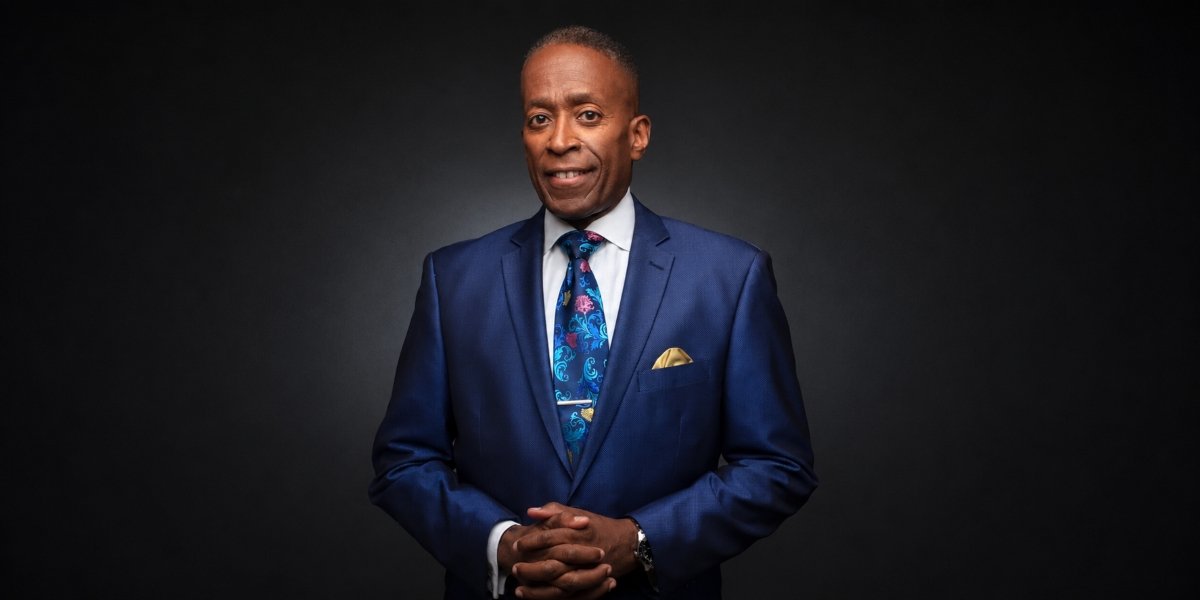
For more than four decades, Kenny Anderson, M.S., NCC, has built a career around a single conviction: people grow when they pair self-awareness with accountability. Today, as Executive Director of Leadership Empowerment Enterprise, he is channeling that belief into Pathways to Purpose, a life coaching initiative designed to help individuals align their personal and professional lives with clarity, intention, and meaningful impact.

A Career Built on Service

Anderson’s path to coaching runs through education, public service, and community leadership. He spent 16 years at Calhoun Community College, rising to Dean of the Humanities and Social Sciences Division, before Huntsville Mayor Tommy Battle appointed him Multicultural Affairs Officer for the City of Huntsville in January 2013. He retired from that post in October 2024, closing out a career defined by bridge-building across communities and institutions.

As a nationally certified mental health counselor, Anderson has spent over three decades as a sought-after speaker for Fortune 500 companies, national conferences, academic institutions, and faith-based organizations. His commitment to access and opportunity is also reflected in the five academic scholarships he has launched at four higher education institutions: the Jack & Annie Anderson 2nd Chance Scholarship at Calhoun Community College, the 212 Community Service Scholarship and the Dr. Spivey-Brown Excellence Fund at Oakwood University, the Mother Earnestine Fletcher Tibbs Memorial Scholarship at Alabama A&M University, and the Providing Access through Transformative Education (P.A.T.H.) Endowed Scholarship at Drake State Community & Technical College.

Since 1990, Anderson has hosted and produced 2nd Chance, a live weekly radio talk show broadcast Sundays at 2 p.m. CST on WJOU 90.1 FM, Oakwood University’s radio station, with live streaming available on YouTube and Facebook through Praise 90.1 FM. He has also written as a Community Columnist for the Huntsville Times and holds professional affiliations with the National Board of Certified Counselors, the American Psychological Association, 100 Black Men of Greater Huntsville, and the Huntsville Rotary Club. He currently serves on the boards of Partnership for a Drug-Free Community, Habitat for Humanity of the River Valley, and The Plantrician Project.

Anderson lives in Huntsville with his wife, Sonya (Tibbs) Anderson, a Branch Chief for the Army Contracting Command’s Express & Strategic Services Division.

A Philosophy of Growth

“When people leverage self-awareness, introspection, and accountability, they can achieve their fullest potential by walking in their purpose,” Anderson says. That belief underpins his entire approach to coaching, and it’s a value he says he holds for himself as much as for the people he serves.

What sets his work apart, he explains, isn’t a formula. “Three decades of work in the arena of human behavior and leadership development training have positioned me to construct effective tools for inspiring and sustaining long-term growth in people,” Anderson notes. “This is not a cookie-cutter approach to an individual’s success in life.” Instead, each client receives customized guidance, paired with consistent support grounded in accountability to their own goals and process.

Who Pathways to Purpose Is For

Anderson’s coaching is aimed at people who sense they’re capable of more but haven’t yet found the clarity, focus, or motivation to get there. He points to a common trap: defining purpose by job titles, assignments, or even passions, when purpose often runs deeper than any of those labels.

“Life is finite,” he says, “and thus, it’s important to maximize one’s potential in the most constructive and purposeful manner.”

His message to readers is straightforward: change is available to anyone willing to choose it. “Anyone can become better once he or she makes a choice to do so,” Anderson says. “Empowerment comes through the belief that something more is possible, and with the assistance of a qualified and skilled coach, anyone can make the most of their lives.”

Connect with Kenny Anderson

Readers interested in exploring Pathways to Purpose can connect with Anderson directly: