

By Dar Dowling
These days, almost anyone can promote themselves.
Authors can post about their books on Instagram. Entrepreneurs can talk about their companies on LinkedIn. Filmmakers can release trailers on YouTube, and businesses can reach potential customers through social media, email, podcasts, advertising, and countless other digital platforms.
All of that matters.
But there is an important difference between what you say about yourself and what someone else says about you.
That is where media coverage comes in.
For authors, entrepreneurs, artists, filmmakers, executives, and brands, media coverage can provide something that advertising and social media alone often cannot: third-party credibility.
You can tell people your book is important, your company is innovative, your film deserves an audience, or your work deserves attention. When an established publication decides you or your work is worth covering, however, the message carries a different kind of weight.
Someone other than you is telling the story.
Media Coverage Builds Credibility
Think about what happens when you discover someone for the first time. Maybe you hear an author’s name or someone recommends a consultant, filmmaker, entrepreneur, artist, or business.
What do many of us do next?
We search for them online.
A website is useful. Social media profiles are expected. But articles, interviews, profiles, reviews, and other editorial coverage can create another layer of legitimacy.
For authors, entrepreneurs, and creative professionals, that can be especially valuable.
Creating something and putting it into the world has become easier than ever. Getting people to notice it is considerably harder. Authors compete with thousands of new books, entrepreneurs compete for attention in crowded markets, and filmmakers and other creatives face an endless stream of content competing for the same audience.
Media coverage provides another way to distinguish yourself and your work.
You and Your Story May Be Bigger Than the Product
One mistake people sometimes make when pursuing publicity is assuming every article should simply be about whatever they are promoting.
Sometimes it should.
But often, the person behind the work is actually the more interesting story.
For an author, the book isn’t always the story. For an entrepreneur, it may not be the company. For a filmmaker, it may not be the latest film.
A business author might have something meaningful to say about leadership or entrepreneurship. A founder may have an unusual perspective on changes within an industry. A filmmaker might be able to discuss culture, representation, or the experiences that inspired a project. A memoirist may bring a personal perspective to an issue affecting many other people.
The book, business, film, or project becomes part of a larger story rather than the only thing there is to talk about.
Good media coverage gives readers something interesting, useful, surprising, or thought-provoking.
It shouldn’t simply read like an advertisement.
Digital Press Has a Long Life
Digital media offers another advantage that is easy to underestimate: it can remain discoverable.
A social media post may generate attention for a few hours or days before disappearing down a feed. A digital article can potentially continue appearing in searches months or even years after publication.
That creates what I like to think of as a digital breadcrumb trail.
An interview introduces one part of your story. A feature establishes expertise. A review adds an independent voice. Another article may connect you to an entirely different subject or audience.
Over time, those pieces begin creating a more complete picture of who you are and what you do.
When someone searches your name, they are no longer finding only the story you created about yourself. They are finding evidence that other people considered your story worth telling.
Digital Press Can Set the Stage for More
Media coverage can also build momentum.
Journalists, podcast hosts, event organizers, potential collaborators, and prospective clients often research people before deciding whether to contact them. Existing coverage gives them something to discover.
Digital press can also help create a foundation for opportunities with larger or different media outlets. A journalist researching a potential source may find an earlier interview. A podcast producer may discover an article and decide the person behind it would make an interesting guest. A feature about an entrepreneur, author, filmmaker, or artist may introduce that person to an outlet covering a completely different subject.
There are no guarantees.
One article doesn’t automatically lead to another, and digital coverage shouldn’t be viewed as a magic ticket to major media.
But it can help set the stage.
Every credible piece of coverage adds another building block to your public presence, and another way for the next person to discover you.
Social Media and Press Work Better Together
This doesn’t mean abandoning social media.
Quite the opposite.
Instead of another post saying, “Buy my book,” an author can share an interview about why the book was written. An entrepreneur can share an article exploring an issue within their industry. A filmmaker can share a feature about the story behind a project. An artist can share a profile discussing the ideas behind their work.
Media coverage creates content, and social media gives that content another life.
The Goal Isn’t Fame. It’s Discoverability.
One article probably won’t transform a career. Neither will one Instagram post, podcast appearance, review, or advertising campaign.
Visibility is cumulative.
The strongest public profiles are built through multiple touchpoints: websites, social platforms, interviews, articles, reviews, podcasts, events, and professional accomplishments.
For authors, entrepreneurs, filmmakers, artists, and other professionals, that matters long after one particular project, product, launch, or campaign ends.
I follow the same approach in my own work that I recommend to authors, creative professionals, and entrepreneurs. Whether I’m promoting a film, a book, or another project, I view media coverage as part of building a larger, long-term digital presence. No single article does all the work. The value comes from what those individual pieces build together over time.
Not everyone needs to become famous.
What authors, entrepreneurs, filmmakers, artists, and other professionals need is to be discoverable by the right people.
When someone hears your name and searches for you, what do they find? When a journalist considers interviewing you, is there enough information available to understand your expertise? When a potential reader, client, collaborator, or customer discovers your work, can they learn something meaningful about the person behind it?
Those questions matter.
In a crowded digital world, visibility isn’t simply about being louder. It’s about creating enough credible signals that when the right person goes looking for you, there is something meaningful for them to find.
And that is why digital press can be such a big win.
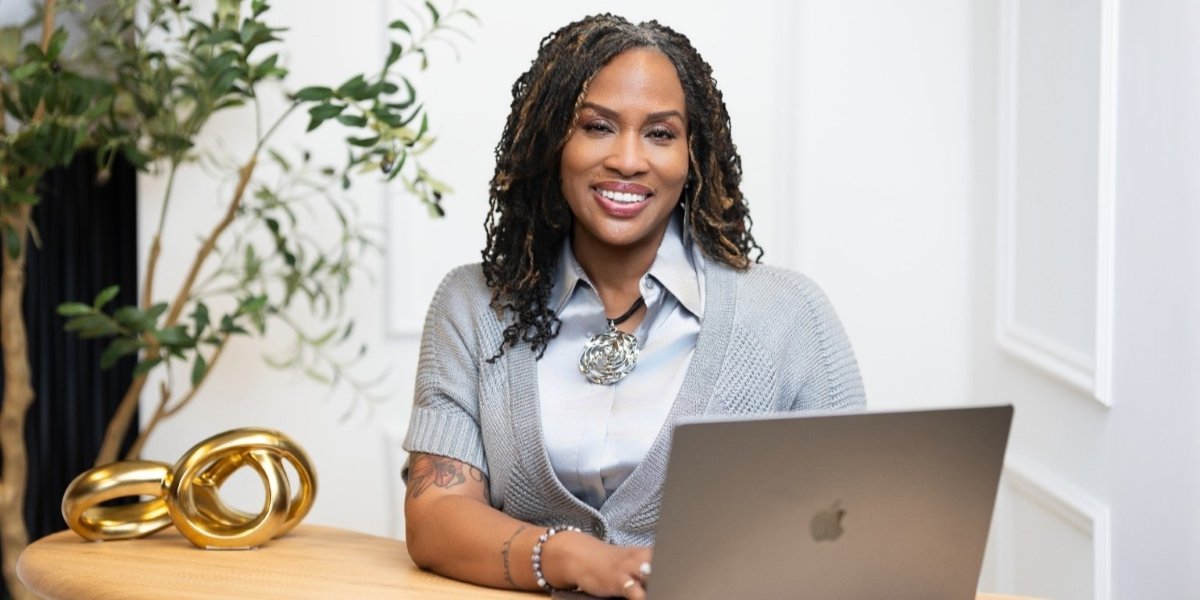
Dar Dowling is a filmmaker, author, and creative strategist whose work spans independent film, publishing, storytelling, brand development, and media visibility. She is the founder of DarMa Productions and serves as Executive Vice President of Atlas Elite Publishing Partners. More information about her work is available through DarMa Productions, Atlas Elite Publishing Partners, and Instagram.


