










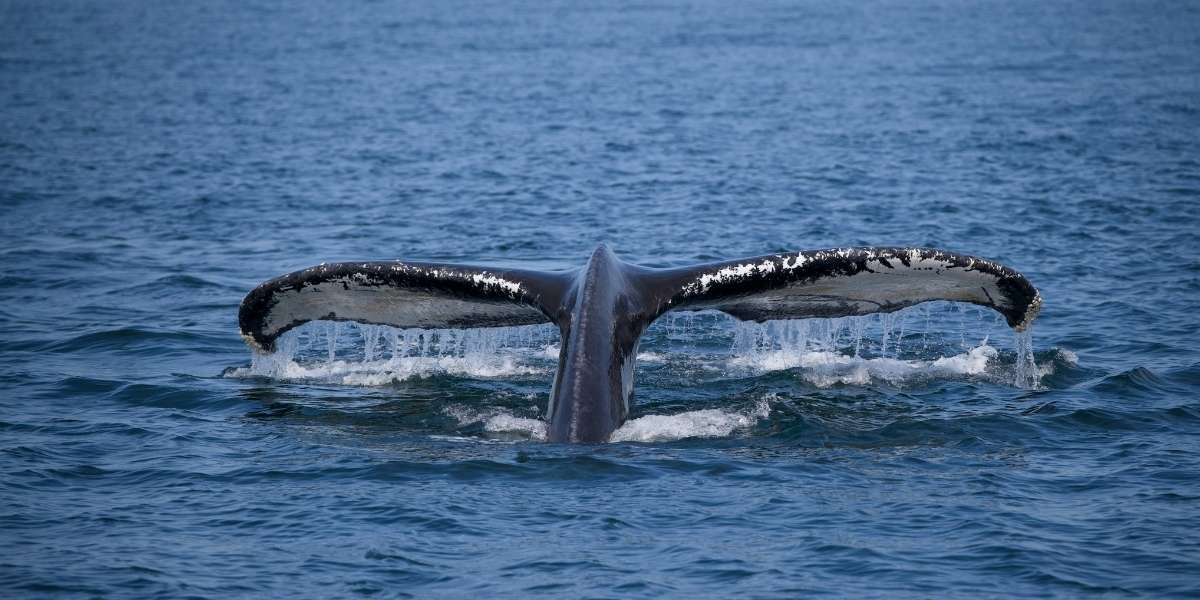
Whale sightings in San Francisco Bay have made headlines, as gray whales were spotted much earlier than usual, marking an unusual shift in their migratory patterns. On January 18-21, 2026, multiple gray whales were observed entering the Bay, weeks ahead of their typical migration schedule. This has prompted scientists to investigate what factors may be influencing the animals’ behavior and migration patterns.
The early whale arrivals have caught the attention of researchers from the Marine Mammal Center, who are working to track the sightings and understand the broader implications of the change. The sightings are being closely monitored, and early theories have emerged regarding the causes of these earlier arrivals.
The Early Arrival of Gray Whales
Gray whales are typically seen in San Francisco Bay during their annual migration, which generally occurs between late February and March. However, in 2026, scientists observed several gray whales entering the Bay in mid-January, making this early appearance particularly noteworthy. According to experts from the Marine Mammal Center, this shift in timing is an unexpected event that has sparked interest among researchers.
The Cetacean Conservation Biology Team from the Marine Mammal Center confirmed the whale sightings after conducting vessel surveys in the Bay. The team identified the gray whales by their distinct markings, which enabled them to track the specific species. Researchers are now analyzing the timing of these arrivals, which they describe as an uncommon occurrence, compared to previous migration years. As scientists continue to monitor the situation, they aim to gain a deeper understanding of how this early migration might reflect changes in the ecosystem.
Whales in San Francisco Bay: A Changing Pattern
Historically, sightings of whales in San Francisco Bay were infrequent, with the animals rarely venturing east of the Golden Gate Bridge. However, this pattern began to change in the early 2000s, and now, sightings of whales and other marine mammals such as humpback whales, harbor porpoises, and bottlenose dolphins are becoming more regular in the Bay. This change marks a significant shift in the local marine environment.
In recent years, researchers have observed that whales are staying in the Bay for longer periods. In 2023, one gray whale remained in the Bay for an extended time, staying for over 60 days—far longer than previous records, which had typically only reached around 46 days. This extended presence raised questions about the factors influencing the whales’ choice to remain in the Bay for so long. Scientists are now investigating whether these extended stays are linked to changes in the availability of food or potential stress factors associated with migration.
The early whale sightings in 2026 are just one part of a broader trend of changing whale behavior in the region. The presence of gray whales in the Bay earlier than usual could signal that these animals are adapting to environmental shifts, but researchers continue to gather data to understand what might be driving these changes.
Factors Influencing Early Whale Arrivals
Several potential explanations are being considered by scientists to understand why the gray whales have arrived in San Francisco Bay earlier than expected in 2026. Among the most discussed factors are:
Changes in Food Availability
One theory is that shifts in the availability of food sources, such as anchovies and krill, may be drawing the whales closer to shore. As these animals rely on specific food sources during their migration, a shift in the abundance or location of prey could impact their travel patterns. Researchers are exploring whether changes in the populations of these species could be influencing the whales’ early arrival.
Climate Change and Warmer Waters
Another theory involves the effects of climate change, which has been altering ocean currents and sea temperatures in the Pacific Ocean. Warmer water temperatures and changes in the currents may be influencing the timing of migration and affecting the animals’ traditional migration routes. These shifts could be prompting whales to arrive earlier, as the changing ocean conditions may lead them to adjust their migratory behaviors to adapt to new environmental conditions.
Behavioral Adaptations
Whales may also be altering their behavior in response to these changes, using the Bay as a more frequent resting or feeding stop. The early arrivals could indicate a new pattern in whale behavior, where the Bay serves as an important location along their migratory route. The increased frequency of whale sightings in the Bay may suggest that the area is becoming a more common stop for these marine mammals as they move along the coast.
While these factors provide possible explanations, researchers emphasize that more data and long-term observation will be necessary to confirm any links between the whales’ early arrivals and these environmental changes. Scientists are working closely with other institutions to track the movements of gray whales in the Bay and the surrounding waters to gain a clearer picture of the broader trends.
The Role of San Francisco Bay in Whale Migration
The appearance of gray whales in San Francisco Bay is part of a broader ecological shift occurring in the Pacific Ocean. As the Bay becomes more frequently visited by whales, scientists are exploring the significance of these sightings for understanding the health of marine ecosystems. This new trend underscores the importance of monitoring whale populations and other marine life in the region to assess the health of the environment.
While early sightings of gray whales in the Bay have captured public attention, scientists also view them as an important ecological signal. The increasing number of whale sightings may reflect changes in the overall health of the Pacific ecosystem. As researchers continue to gather data, they hope to learn more about the relationship between climate change, ocean health, and migratory patterns of marine mammals.
Ongoing Research and Conservation Efforts
The Marine Mammal Center and other research institutions continue to track and monitor gray whale sightings in San Francisco Bay. Their ongoing research is essential for understanding the broader patterns of whale migration and the factors that influence these behaviors. The data gathered from these early sightings will contribute to long-term studies of how climate change and other environmental factors are affecting marine mammals.
In addition to monitoring whale behaviors, conservationists are also focusing on protecting critical habitats for marine species. The changing patterns of whale migration and the potential impact of early arrivals on the Bay’s ecosystem highlight the need for continued efforts to safeguard these important environments.
As scientists continue to study these early whale sightings and the broader environmental changes that may be influencing them, the information gathered will be essential for guiding future conservation efforts and ensuring the long-term health of marine ecosystems.


