


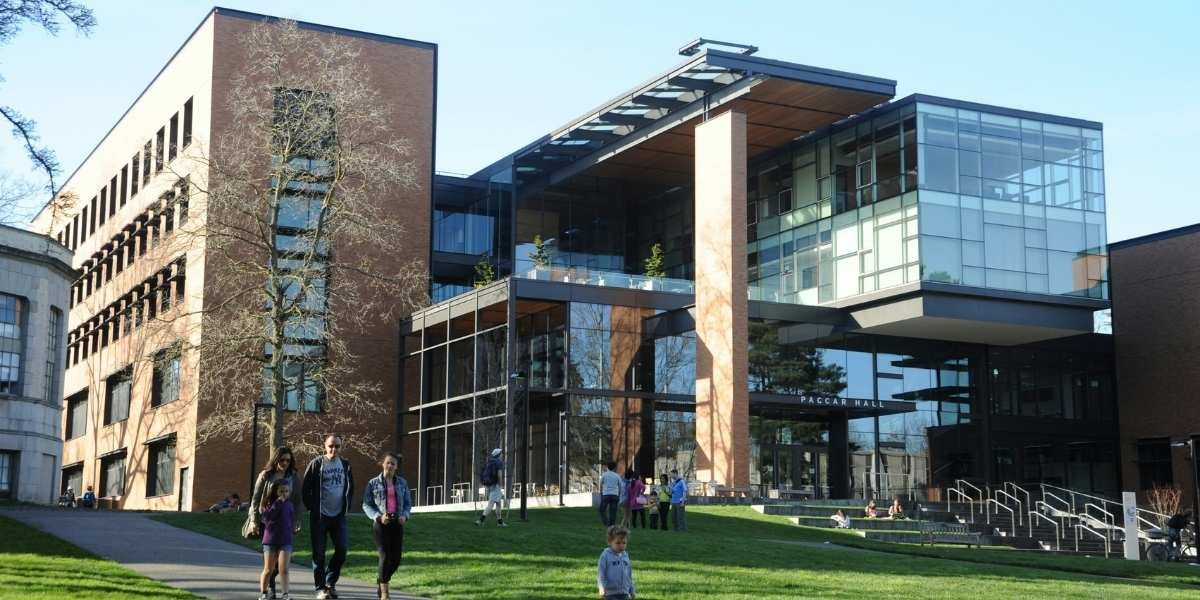







San Francisco has approved a zoning overhaul that could redefine the city’s housing debate for decades. The plan aims to unlock construction of 36,000 new homes across the west side and northern districts. For a city long defined by scarcity and high rents, the zoning overhaul signals a dramatic shift in how growth and community identity are balanced.
The measure is not just technical, it is symbolic. San Francisco has struggled with affordability, displacement, and political gridlock. The zoning overhaul forces a new conversation: can density deliver affordability, or will it accelerate speculation? The decision also reflects a broader cultural moment in which cities across the country are being forced to reconcile tradition with necessity. San Francisco’s choice to move forward places it in the spotlight as a test case for how far a city can push reform without fracturing its social fabric.
Why zoning overhaul matters
The zoning overhaul is framed as a response to state housing mandates and local frustration with stalled development. Supporters argue that adding tens of thousands of homes is essential to retain families and stabilize rents. Critics warn of gentrification, congestion, and the erosion of neighborhood character. The stakes are high, as the city’s population has been shrinking, and the ability to retain a diverse workforce depends on whether housing becomes more accessible.
For civic leaders and business executives, the overhaul is a case study in balancing growth with preservation. Will new housing stock create stability, or will luxury projects dominate? Will zoning reform empower diverse communities, or will it accelerate homogenization? These questions highlight the stakes for San Francisco’s identity. The debate also underscores how zoning is not just about buildings but about values: who gets to stay, who gets priced out, and who shapes the city’s future.
Anatomy of the zoning overhaul
The zoning overhaul allows taller, denser buildings in traditionally low‑density neighborhoods. The plan targets the west side and northern districts, areas historically resistant to development. By loosening restrictions, the city hopes to unlock housing production that has stalled under decades of tight zoning rules.
Developers will face affordability requirements, and community feedback will shape implementation. Yet debate remains fierce: is zoning reform enough to solve a housing crisis rooted in economics, politics, and culture? The mechanics of the plan are straightforward, more height, more density, more units, but the implications are layered. Each new building represents not just housing supply but also a shift in how neighborhoods define themselves. The zoning overhaul is therefore both a technical adjustment and a cultural experiment, testing whether San Francisco can reconcile its progressive ideals with the realities of growth.
Zoning overhaul as a cultural signal
Zoning is more than policy, it is a cultural signal. By approving this overhaul, San Francisco is telling residents, investors, and the world that density is no longer taboo. The move challenges long‑held notions of neighborhood identity, sparking conversations about what it means to live in a “family‑friendly” city.

Photo Credit: Unsplash.com
For residents, curiosity gaps emerge. Will quiet streets transform into bustling corridors? Will new housing bring vibrancy or congestion? For businesses, the signal is equally powerful: zoning reform suggests opportunity, but also competition. The cultural framing is unavoidable, housing is not just shelter, it is a marker of belonging. The zoning overhaul forces San Francisco to confront questions about who belongs, who benefits, and who decides. Will new housing create diverse communities, or will it reinforce existing divides? These questions ensure that the zoning overhaul will be debated not only in planning meetings but also in living rooms, classrooms, and boardrooms across the city.
Zoning overhaul and political power
The zoning overhaul reflects political power. The plan faced significant debate, with the final approval coming after extensive discussions. The decision highlights divisions in San Francisco politics: growth versus preservation, affordability versus speculation. The political stakes are high, and the outcome will reverberate across the Bay Area.
For decision‑makers, zoning is not neutral. It reflects values, priorities, and power dynamics. Will the Board of Supervisors embrace the plan, or will opposition reshape its trajectory? The zoning overhaul is also a test of leadership. Can elected officials deliver on promises of affordability while navigating fierce neighborhood resistance? The answer will shape not only housing supply but also political credibility. The overhaul is therefore both a policy shift and a referendum on governance, revealing how far leaders are willing to go to address a crisis that has defined San Francisco for decades.
Why zoning overhaul matters for executives and communities
Executives, entrepreneurs, and civic leaders should view zoning overhaul as more than local policy. It is a signal of how cities adapt to crises. For tech leaders, it affects talent retention. For real estate investors, it shapes markets. For community leaders, it defines identity.
Ignoring zoning overhaul means missing out on conversations that shape industries. Understanding it means anticipating shifts in consumer behavior, workforce dynamics, and cultural narratives. The bigger picture: zoning overhaul is not just about housing, it is about resilience. Housing decisions made today will define San Francisco for decades. The zoning overhaul is not just about immediate supply, it is about long‑term identity. Generational divides also shape the debate. Younger residents often support density as a path to affordability, while older residents fear disruption of neighborhood character. The zoning overhaul highlights these tensions, raising questions about whose vision of the city will prevail.


