










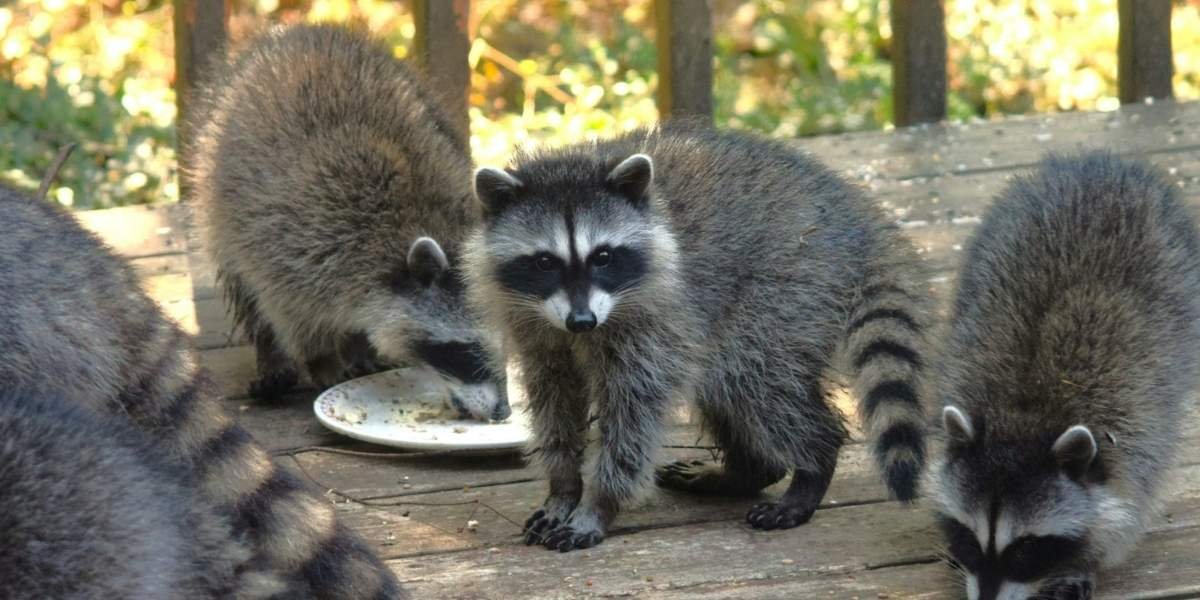
Raccoons in San Francisco are no longer just a sighting on city streets; they’ve become a notable example of urban wildlife adaptation. Once expected to shy away from human-dominated spaces, raccoons have now embraced city living, reshaping how they interact with their environment. Researchers and residents have noticed that these raccoons are not only thriving but also evolving with the urban changes around them. Their shift from rural habitats to city streets has sparked new insights into how urbanization impacts wildlife.
Historically, raccoons were known for their adaptability in rural areas, living in forests and rural landscapes. However, in San Francisco, these animals have shown surprising resilience and flexibility. The city provides an environment that reduces natural predators while offering ample food sources, such as trash bins and food waste from restaurants. As a result, raccoons are becoming increasingly visible and comfortable in urban settings, often spotted near homes, parks, and outdoor dining areas, especially after dark.
The question arises: how much of this adaptation is due to evolutionary processes, and how much is a result of immediate survival strategies? Raccoons in the city have learned to exploit human-made resources, making them a prominent part of the urban wildlife community. Understanding this shift requires looking at both the behavioral and physical changes these animals are undergoing in response to city life.
Physical Adaptations in Raccoons
One of the most fascinating aspects of the San Francisco raccoons is their apparent physical adaptation to urban life. Studies of urban wildlife indicate that animals in cities can develop subtle physical changes due to their environment, although this is still an area of ongoing research. Raccoons in San Francisco have shown signs of altered fur color and snout shapes, though the exact reasons for these differences are not fully understood. These changes may be influenced by the availability of food, interaction with humans, and genetic factors.
In urban areas, raccoons often have access to a more consistent food supply than their rural counterparts, which may contribute to their shorter snouts and softer fur. Additionally, urban environments may lead to fewer pressures like predators or extreme weather conditions, allowing raccoons to evolve differently in terms of appearance. However, scientific studies on these specific physical changes in San Francisco raccoons are limited, and more research is needed to confirm the exact nature of these urban-induced physical adaptations.
Raccoons’ physical adaptations aside, one of the most notable features of their evolution in urban spaces is their behavioral flexibility. The combination of increased food availability, reduced natural predators, and more frequent interactions with humans has made these animals more adaptable in a variety of ways. Their ability to adjust to changing environments, including new food sources and man-made shelters, reflects their inherent capacity for survival, even in cities.
Behavioral Shifts: How Raccoons Thrive in Cities
Beyond their physical changes, San Francisco raccoons have demonstrated notable behavioral shifts as they become increasingly comfortable in human environments. These animals are no longer as wary of people as their rural counterparts. In fact, they are often seen near human settlements, searching for food in trash bins, at outdoor dining areas, and even entering business districts. Their willingness to approach human spaces highlights their growing comfort with the urban environment.

Photo Credit: Unsplash.com
One significant factor in these behavioral changes is food availability. Unlike rural areas where food sources are limited and scattered, urban environments like San Francisco offer a constant supply of food in the form of garbage, pet food, and food waste. Raccoons have learned to exploit these resources, often at night, when human activity is lower. This resourcefulness has become a key trait for urban raccoons, and their intelligence has allowed them to adapt quickly to human-made environments.
This adaptability raises important questions about the balance between wildlife and urban development. As raccoons continue to thrive in cities, the boundaries between urban areas and natural habitats become increasingly blurred. In cities like San Francisco, raccoons may become permanent residents, which creates new challenges for managing urban ecosystems and maintaining a safe environment for both humans and wildlife.
Ecological Impact of Raccoon Adaptation in Cities
While the behavioral and physical transformations of San Francisco raccoons might seem fascinating, they come with ecological implications. The reliance on human food sources has led to changes in traditional foraging behavior. As these raccoons spend less time searching for food in natural habitats, their impact on the ecosystem may be reduced, but their growing presence in urban areas is changing the dynamics of local wildlife populations.
The ecological impact extends beyond just the raccoons themselves. With raccoons and other urban-adapted animals like pigeons and squirrels becoming more integrated into city life, they begin to interact with other species in ways that could disrupt local ecosystems. For example, raccoons may alter the behavior of other urban animals by competing for food or shelter, which can affect the biodiversity of the area. Additionally, their increasing proximity to humans raises concerns about disease transmission, as raccoons are known to carry diseases such as rabies and leptospirosis, which can be transmitted to pets or humans.
Managing these risks requires careful consideration of wildlife management policies. In San Francisco, as raccoons adapt to urban living, city planners, ecologists, and public health officials must work together to create strategies that balance the presence of urban wildlife with the safety and well-being of residents. This includes providing proper waste management and educating the public on how to safely coexist with urban animals.
The Future of San Francisco’s Urban Raccoons
Looking to the future, San Francisco raccoons will likely continue to evolve as part of the city’s broader urban wildlife ecosystem. As more areas become densely populated, raccoons and other animals may adapt further, reshaping their behavior and even their physical traits to fit city life. This evolving relationship between humans and wildlife highlights the need for ongoing research to understand the long-term effects of urbanization on animal species.
Raccoons in cities like San Francisco may eventually come to represent urban resilience, much like pigeons and squirrels have in other cities. These animals have shown an incredible ability to adapt to human environments, and as cities continue to expand, raccoons may increasingly be seen as integral members of urban ecosystems. The possibility of their continued integration into city life raises important questions about how we view wildlife and how cities can evolve to manage growing populations of urban-adapted species.
Ultimately, the story of San Francisco’s raccoons is part of a larger narrative about how cities and nature intersect. As raccoons continue to adapt, they remind us that urban spaces are not separate from nature but are dynamic environments where both humans and animals can coexist and evolve. This ongoing transformation challenges us to rethink our relationship with the natural world and how we manage the spaces we share.
The Transformation of San Francisco’s Raccoons and the Urban Landscape
The adaptation of San Francisco raccoons to urban life reflects the resilience of wildlife in the face of rapidly changing environments. Through physical and behavioral changes, these animals have learned to thrive in a city that provides both challenges and opportunities. As raccoons continue to evolve in urban settings, their presence underscores the complexity of human-wildlife coexistence in modern cities.
While the transformations in raccoons may seem harmless or even charming, they carry important ecological and public health implications that must be addressed. With careful management, cities can foster environments where wildlife and human populations can coexist safely and harmoniously. The story of San Francisco’s raccoons reminds us that urban ecosystems are constantly evolving, and the creatures that inhabit them are reshaping the relationship between nature and city life.


