










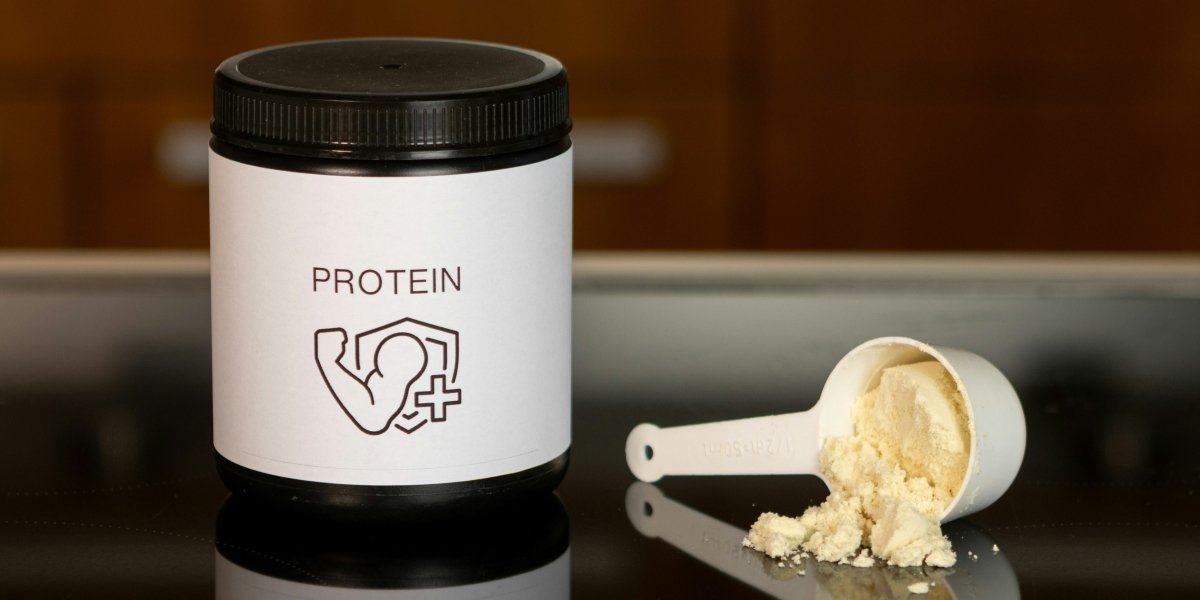
Plant-based protein has had a serious moment over the past few years. What used to be a niche product for vegans and vegetarians has become a mainstream option that a much broader range of people are reaching for, whether they follow a plant-based diet or not. But with that popularity has come a lot of noise, bold claims, and some genuinely confusing information about whether plant-based protein is actually good for you.
The honest answer is: it depends on the product. Plant-based protein as a category spans everything from minimally processed, real-ingredient formulas to products stuffed with artificial sweeteners, fillers, and flavor compounds that have nothing to do with nutrition. Understanding what makes a plant-based protein genuinely good for you requires looking past the marketing and into the actual ingredients.
What Plant-Based Protein Actually Is
Plant-based protein comes from non-animal sources. The most common include pea protein, soy protein, rice protein, hemp protein, and almond protein. Each has a different amino acid profile, digestibility level, and flavor baseline, which is why the quality and taste of plant-based protein products varies so significantly from one brand to the next.
Unlike whey protein, which comes from a single consistent source, plant proteins start from very different nutritional foundations. Some are complete proteins containing all nine essential amino acids. Others are lower in one or more essential amino acids and require combining with other protein sources to provide a complete profile. According to research published by the National Institutes of Health, plant-based proteins can effectively support muscle protein synthesis and overall daily protein goals when consumed in adequate amounts and from quality sources.
The Nutritional Case for Plant-Based Protein
When the formula is built around real ingredients and a quality protein source, plant-based protein powder offers genuine nutritional benefits that go beyond simply hitting a protein number.
Protein Without Dairy
For anyone who is lactose intolerant, dairy-sensitive, or following a vegan or plant-based lifestyle, a quality plant-based protein provides a meaningful and accessible way to support daily protein intake without the digestive discomfort that dairy-based proteins can cause for some people. This is a practical benefit that makes a real difference in the day-to-day experience of building a consistent protein habit.
Supporting Daily Protein Goals
Most people, regardless of diet type, do not consistently hit their daily protein targets through whole food alone. According to Healthline, protein needs vary by individual but are higher than many people assume, particularly for active adults trying to maintain or build lean muscle mass. A convenient, great-tasting plant-based protein option makes it easier to close that gap without requiring elaborate meal preparation.
Real Ingredients Do Real Work
The best plant-based protein formulas go beyond just the protein source. Real fruit ingredients, functional additions, and plant-derived sweeteners create a product that delivers nutritional value across multiple dimensions rather than just one macro number. When every ingredient in the formula serves a purpose, the product does more than a basic amino acid supplement.
What to Watch Out For
Not all plant-based protein products earn the nutritional credibility the category sometimes gets credit for as a whole. A few things are worth watching for on the label before committing to any product.
Artificial Sweeteners and Fillers
Many plant-based proteins rely heavily on artificial sweeteners like sucralose, acesulfame potassium, and aspartame to mask the naturally strong or bitter flavor of the protein base. These synthetic compounds have no nutritional value and raise ongoing questions in the research community about their effects on gut health and metabolic function. A genuinely clean plant-based protein is sweetened with plant-derived options like organic stevia leaf extract or monk fruit extract rather than synthetic alternatives.
Excessive Ingredient Lists
A long list of ingredients with unfamiliar compound names is a reliable indicator that the product is built around masking rather than quality. The best plant-based proteins have short, recognizable ingredient lists where every item serves a clear purpose.
Protein Blending Without Transparency
Some plant-based proteins blend multiple protein sources together to create a complete amino acid profile, which is a legitimate approach. The issue arises when brands are not transparent about how much of each source is present or use low-quality fillers to bulk up the protein content without meaningfully improving the nutritional value. Knowing where the protein comes from and how much is present matters.
Almond Protein as a Plant-Based Source
Almond protein is a standout option in the plant-based category for a few reasons. It has a naturally clean, mild flavor that pairs well with real ingredients without requiring heavy flavoring agents to make it taste good. It provides a solid amino acid profile and sits well with most people digestively.
According to research from the National Institutes of Health, almond protein has favorable digestibility characteristics compared to some other plant protein sources, which contributes to the smooth, pleasant experience that almond-based protein products tend to deliver versus options built on pea or soy.
What a Quality Plant-Based Protein Looks Like in Practice
The FlavCity Plant-Based Protein Smoothies are built around almond protein as the foundation, delivering 20g of protein per serving with a two-scoop serving size. The ingredient list is short and recognizable: almond protein, real banana, real vanilla or real cocoa and peanut, coconut milk, unrefined sea salt, organic functional mushrooms (cordyceps and reishi), and plant-derived sweeteners.
No artificial sweeteners. No natural flavors. No fillers. No ingredients that exist to bulk up the serving size without contributing nutritional value.
The Plant-Based Vanilla Protein Smoothie delivers a smooth, creamy vanilla flavor from real vanilla and coconut milk. The Plant-Based Chocolate Peanut Butter Protein Smoothie gets its flavor from real cocoa and real peanut. Both mix in a shaker bottle in 30 seconds with water or your preferred plant-based milk. No blender needed.
The functional mushrooms (cordyceps and reishi) in every serving support natural focus and cognition without caffeine or stimulants. It is worth noting that products containing functional mushrooms cannot be recommended for children or during pregnancy or breastfeeding. Please consult your healthcare provider if you have any questions.
So Is It Good For You
Yes, when the product is built right. Plant-based protein from a quality source, formulated with real ingredients and without artificial sweeteners or fillers, is genuinely good for you and a smart daily addition to a balanced diet for anyone who prefers a dairy-free option.
The category deserves its growing reputation. Just make sure the specific product you choose has earned it through its actual ingredients rather than its marketing.
Disclaimer: The information in this article is for general educational purposes only and is not intended as medical advice. Always consult your healthcare provider or a registered dietitian before making changes to your nutrition or supplement routine, especially if you have a health condition or are taking medications.


