








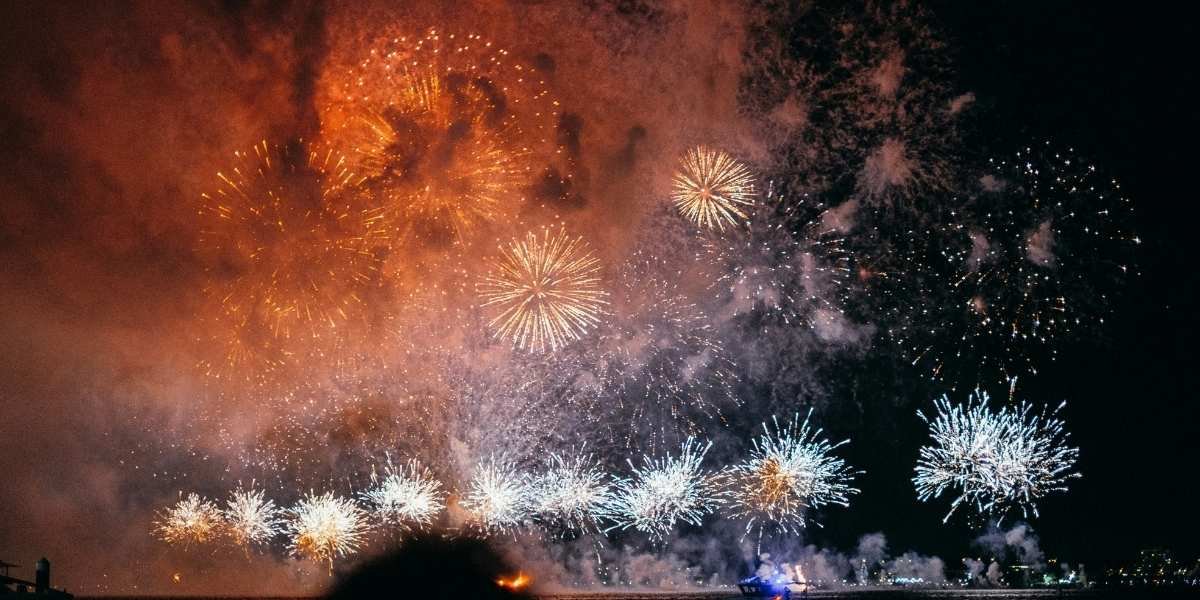
A Golden Gate Bridge fireworks display is planned as part of the Bay Area’s Fourth of July celebrations commemorating the 250th anniversary of the United States, with regional organizers and public agencies preparing for a large-scale event expected to draw residents and visitors to San Francisco’s waterfront and surrounding communities.
The announcement adds a prominent attraction to Independence Day activities scheduled across Northern California and places one of the nation’s most recognizable landmarks at the center of the anniversary observance. Event organizers have indicated that the fireworks presentation will be launched from the bridge, creating a viewing experience visible from multiple locations around San Francisco Bay.
Fourth of July Celebration Includes Landmark Fireworks Event
The planned display is connected to nationwide observances recognizing 250 years since the signing of the Declaration of Independence in 1776. Communities across the United States are organizing commemorative activities throughout 2026, with local governments and event organizers developing programs tied to the anniversary.
In the Bay Area, the bridge-based fireworks presentation is expected to become one of the most visible elements of the holiday schedule. The structure spans the entrance to San Francisco Bay and serves as a major transportation corridor as well as an internationally recognized symbol of the region.
Organizers have released preliminary information indicating that viewing opportunities will be available from various waterfront locations around the bay. Public parks, scenic overlooks, and shoreline destinations are anticipated to attract large crowds during the evening celebration.
Tourism Organizations Prepare for Increased Visitor Activity
Regional tourism groups are preparing for additional travel demand connected to the event. Hotels, restaurants, transportation services, and attractions throughout San Francisco and neighboring communities could experience elevated activity as visitors make plans around the holiday celebration.
The Bay Area remains one of California’s most visited destinations, attracting domestic and international travelers throughout the year. Large-scale public events often contribute to increased hotel bookings and visitor spending, particularly when they feature well-known landmarks and free public viewing opportunities.
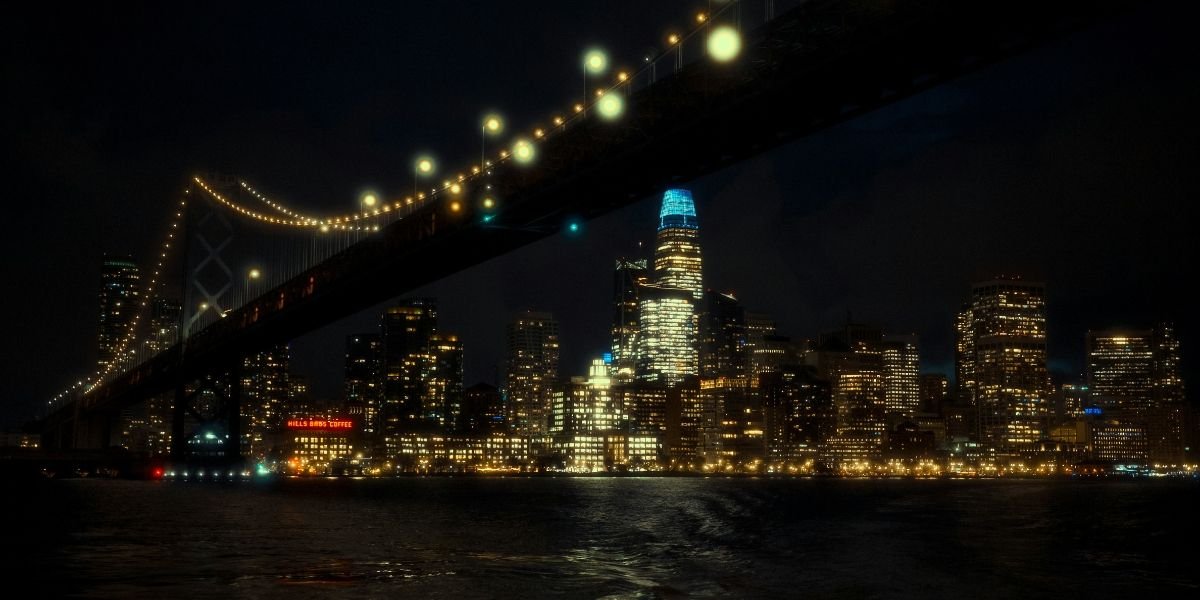
Tourism officials have promoted the region’s waterfront destinations as gathering points for Independence Day celebrations. Areas near the Embarcadero, Marina District, Crissy Field, and other shoreline locations are expected to receive significant attention from residents and travelers seeking vantage points for the fireworks.
Businesses that serve visitors frequently prepare for heightened demand during major holiday periods. Restaurants, retail establishments, and hospitality operators often extend staffing and operational plans to accommodate larger crowds during public celebrations.
Transportation providers are also expected to monitor travel patterns closely. Increased usage of public transit systems, ferries, rideshare services, and regional roadways is common during major Bay Area events, particularly those concentrated along the waterfront.
Planning Efforts Involve Multiple Public Agencies
Executing a fireworks event associated with a major landmark requires coordination among numerous organizations. Public agencies, transportation authorities, emergency responders, and event planners typically work together to address logistical requirements before large public gatherings take place.
Traffic management remains a central consideration whenever major celebrations are scheduled near heavily traveled destinations. Authorities often develop plans covering vehicle access, pedestrian movement, transit operations, and emergency response procedures.
The bridge itself is managed by the Golden Gate Bridge, Highway and Transportation District, which oversees operations and maintenance of the transportation corridor connecting San Francisco and Marin County. Any event involving the structure requires careful planning to ensure public safety and continued transportation access.
Emergency services personnel are expected to support holiday operations throughout the event area. Fire departments, law enforcement agencies, and medical response teams routinely participate in planning efforts associated with large public gatherings.
Public information campaigns are also commonly used to communicate viewing locations, transportation options, safety guidance, and event schedules. Organizers typically encourage attendees to use transit services where possible and to arrive early at popular viewing destinations.
San Francisco Waterfront Expected to Draw Large Crowds
San Francisco’s waterfront has long served as a focal point for major civic celebrations, attracting residents and visitors for cultural events, holiday activities, and public gatherings. The city’s shoreline provides numerous viewing areas with direct sightlines toward the entrance of the bay and surrounding landmarks.
Locations overlooking the bridge frequently become gathering spots during special events. Parks and recreation areas throughout the northern portion of the city offer expansive views of the structure and nearby waterways, making them popular destinations during public celebrations.
The expected visibility of the fireworks from multiple points around the bay may encourage attendance across a broader geographic area than many localized events. Communities on both sides of the Golden Gate could experience increased visitor activity during the holiday period.
Businesses operating near waterfront destinations often benefit from larger visitor volumes during major celebrations. Restaurants, cafes, and hospitality venues located near popular viewing areas may experience heightened demand as spectators arrive before scheduled activities begin.
City agencies have historically worked with event organizers to maintain public access while supporting safe operations during high-attendance gatherings. Temporary traffic controls, transit adjustments, and crowd-management measures are common components of holiday event planning.


