







Amazon’s autonomous vehicle subsidiary, Zoox, has officially launched its robotaxi service in San Francisco, marking a key milestone in the development of autonomous transportation. After testing its vehicles in Las Vegas, Zoox is now expanding into one of the most complex and heavily trafficked cities in the United States. The vehicles themselves are unique: Zoox’s autonomous pods are designed without steering wheels or traditional driver controls, offering a sneak peek into the future of cars made exclusively for autonomy.
Currently, the service is available to participants in Zoox’s “Explorers” program, a waitlist initiative that gives early adopters the chance to experience the robotaxi at no cost. This allows Zoox to gather crucial feedback while fine-tuning the passenger experience before a broader public launch. For San Francisco residents, the opportunity to ride in a fully autonomous vehicle offers a blend of excitement and curiosity about how driverless cars will become integrated into daily life.
San Francisco has already become a testing hub for autonomous vehicles, with competitors like Waymo operating paid services in the city. By offering free rides, Zoox is positioning itself as a challenger to these established players, sparking discussions around accessibility, safety, and how ready cities are for self-driving cars.
The Passenger Experience
Zoox’s robotaxi offers a distinctive experience that sets it apart from traditional ride-hailing services. The vehicle’s design features bench seating and four-wheel steering, creating a spacious, pod-like environment that feels more like a lounge than a car. This innovative setup encourages riders to think of the journey itself as part of the overall experience rather than just a way to get from point A to point B.
This model raises important questions about how the public will perceive autonomous travel. Will the novelty of riding in a driverless pod be enough to overcome concerns about safety and reliability? Early adopters have a significant role in shaping public opinion, and their feedback will likely play a key part in determining how quickly autonomous services are accepted by the wider population. The initial free rides also serve as an opportunity for people to test their comfort levels with autonomous technology, potentially alleviating fears and fostering greater trust in the system.
Autonomous vehicles rely on complex systems of sensors, cameras, and artificial intelligence to navigate city streets. For many consumers, the idea of giving up control of the vehicle to a machine is a challenging concept. However, Zoox’s free rides provide a low-risk opportunity for riders to explore this technology and, over time, build confidence in the safety and reliability of autonomous transportation.
The Growing Competition in Autonomous Mobility
Zoox’s decision to launch in San Francisco places it in direct competition with well-established autonomous ride-hailing companies such as Waymo, which has already built a reputation for its reliability in the market. While Zoox is offering free rides, Waymo charges for its services, a distinction that highlights Zoox’s focus on user experience and feedback over immediate profit. This contrast raises interesting questions about how new entrants to the autonomous mobility market will differentiate themselves in a growing and competitive field.
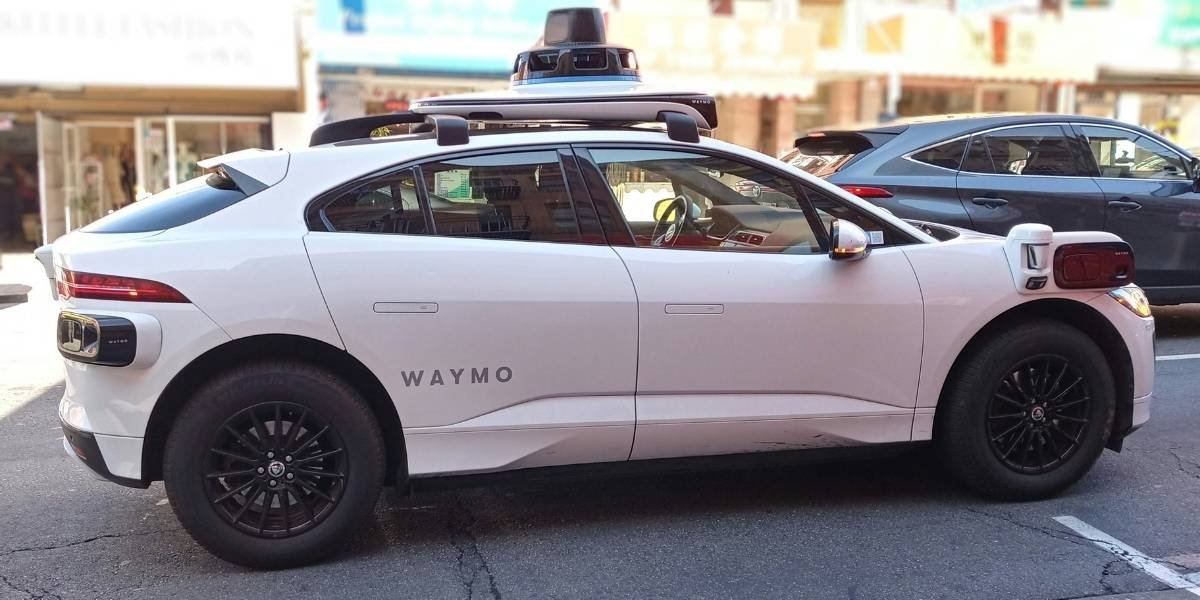
Photo Credit: Unsplash.com
Tesla, too, has unveiled plans for its own robotaxi service, dubbed the “Cybercab.” However, the service is still in development, and there is no official timeline for when it will be available. With multiple companies vying for dominance in the autonomous vehicle space, it’s clear that innovation will continue to drive the direction of this industry. Zoox’s ability to adapt its technology for urban mobility, as well as how it aligns with Amazon’s larger logistics operations, could give it an edge in an increasingly crowded market.
The growing competition also raises questions about how cities will accommodate the influx of autonomous vehicles. In San Francisco, where autonomous cars, ride-hailing services, and traditional traffic already coexist, the introduction of Zoox adds another layer to the city’s evolving transportation landscape. With each new player, there is a heightened focus on regulation, infrastructure, and the balance between fostering innovation and ensuring public safety.
The Impact on Local Communities
The introduction of Zoox’s robotaxi service in San Francisco is more than just a technological advancement; it also has the potential to affect local communities. The arrival of autonomous vehicles forces cities to reconsider long-held views about driving, transportation, and public mobility. For some, the idea of a driverless car is a step toward progress and convenience, while for others, it raises concerns about safety, job displacement, and the future of transportation.
Local businesses in San Francisco may also see changes in how customers move through the city. Autonomous ride-hailing could alter patterns of commerce, tourism, and urban planning. If robotaxis become a widespread mode of transportation, they could reduce the demand for personal vehicles, decrease the need for parking spaces, and change the way neighborhoods are accessed. These shifts demonstrate the intricate relationship between transportation and community life.
Zoox’s free rides also raise important questions about how the service will scale and become more accessible. By offering free rides, Zoox is introducing autonomous vehicles to a broader range of people, which could lead to greater acceptance of the technology. At the same time, there are concerns about how the service will be priced once it moves beyond the free pilot stage and how it will remain accessible to all communities.
What’s Next for Zoox and Autonomous Vehicles?
Zoox’s entry into San Francisco is not just the launch of a new transportation service—it represents a major step forward in the evolution of urban mobility. However, the future of autonomous vehicles raises several key questions. How will cities regulate these vehicles, and what role will they play in traditional transportation systems? How will consumers adapt to a world where self-driving cars become a commonplace part of daily life?
As Zoox continues to grow and refine its service, the company faces the challenge of building trust and delivering consistent, reliable performance. The free ride initiative is a strategic move to generate excitement, gather valuable insights, and create a base of early adopters who can help shape the future of autonomous transportation. But the long-term success of Zoox will depend on how well it can scale its operations, ensure the safety of its vehicles, and meet the evolving needs of cities and consumers alike.
In the coming years, autonomous vehicles could significantly improve urban mobility by reducing congestion, improving efficiency, and enhancing the quality of life in cities. Zoox’s launch in San Francisco is just one piece of a larger puzzle that will define how cities, communities, and industries adapt to the growing influence of self-driving technology. The arrival of autonomous vehicles is no longer just a futuristic idea, it’s becoming a reality, and the way we think about transportation is changing forever.
As the technology matures, the conversation will shift from novelty to practicality. How will autonomous vehicles enhance urban life? How will they be integrated into public transport systems, and what impact will they have on existing industries? Zoox’s expansion is a critical milestone, but the broader story of autonomous mobility is only just beginning.


