






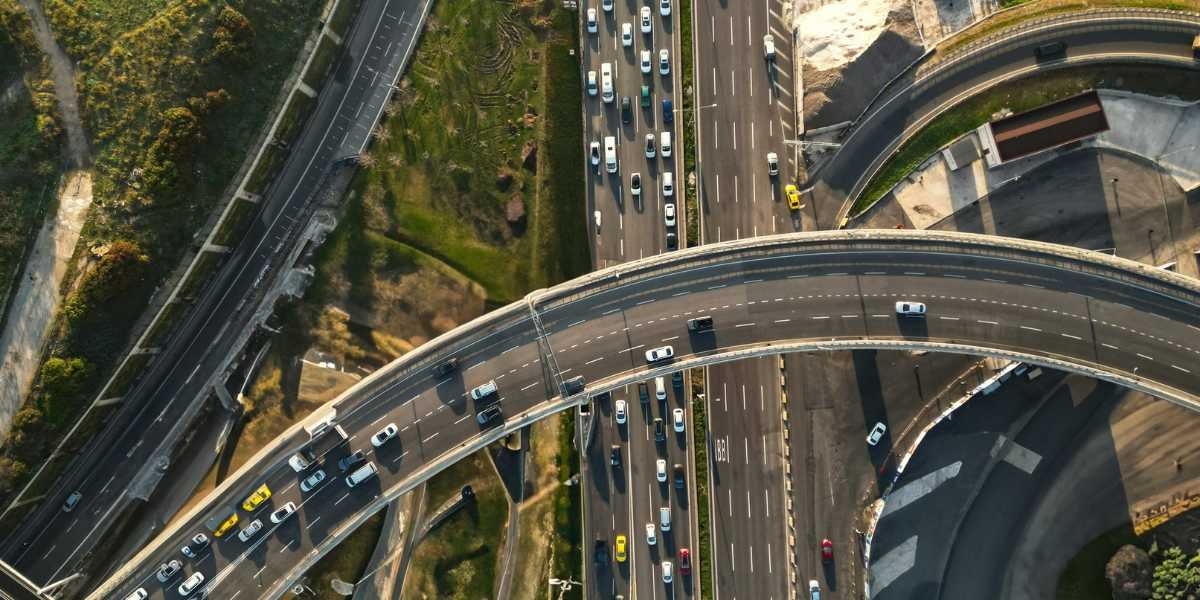
Waymo freeway operations remain suspended on California highways after state regulators cited two Bay Area incidents involving driverless vehicles. The November 11 restriction affects freeway trips, not the company’s surface-street service. The order also prompted a broader pause outside California. The decision affects routes for San Francisco riders and airport travelers while regulators review required safety corrections.
California’s Department of Motor Vehicles barred Waymo from operating or testing vehicles without drivers on state freeways after incidents on U.S. Highway 101 and Interstate 280. Although the order took effect November 11, 2026, its details became public November 17.
Waymo also voluntarily stopped commercial driverless freeway trips in other markets. The company said its local ride-hailing service would continue on surface streets as it works with regulators.
Key Takeaways
- California’s DMV restricted Waymo’s driverless freeway operations effective November 11, 2026
- Three Waymo vehicles entered a U.S. 101 construction closure near Burlingame on November 5
- A separate November 6 incident involved a California Highway Patrol traffic break on I-280 in San Francisco
- Waymo continues surface-street service and says trained specialists can continue supervising freeway tests
- State regulators have not announced a date for restoring driverless freeway service
Two Bay Area Incidents Led to the California Restriction
On November 5, three Waymo vehicles entered an active construction closure on U.S. Highway 101 near Burlingame, according to the California DMV. The department cited concerns about vehicles entering temporary closures where construction workers, equipment and other traffic may be present.
The next day, a Waymo robotaxi encountered California Highway Patrol vehicles conducting a traffic break on Interstate 280 in San Francisco. CHP said the patrol vehicles were slowing traffic for a Caltrans maintenance crew working in highway lanes.
The Waymo vehicle appeared to attempt to bypass the patrol units during the controlled slowdown. The DMV included that encounter among the incidents contributing to its decision.
The agency described recurring construction-zone incursions as an “imminent hazard to public safety.” That was the DMV’s stated basis for restricting driverless freeway operations rather than suspending Waymo’s entire passenger service.
The decision followed earlier problems. In a safety recall filing submitted to the National Highway Traffic Safety Administration in June, Waymo identified seven autonomous vehicles that entered active construction lanes in the Bay Area on May 18.
The filing described failures to recognize closures or the system’s prioritization of other roadway hazards. Waymo listed software changes and additional operating procedures as remedies.
Waymo said its recent U.S. 101 construction-zone encounters did not involve injuries or collisions. The company has not announced when driverless freeway service will resume.
Waymo Freeway Operations Remain Paused Beyond California
The California DMV order prohibits Waymo from operating or testing vehicles without human drivers on the state’s freeways. It does not prohibit ride-hailing on city streets or prevent freeway testing with trained autonomous specialists behind the wheel, which Waymo says is continuing.
Waymo voluntarily expanded the commercial driverless freeway pause to other operating markets, including the Phoenix, Los Angeles, Miami and Austin areas. The company said it was evaluating its system’s performance while addressing California’s concerns.
Waymo has also continued introducing vehicles into its San Francisco network. Its Waymo Ojai robotaxi expansion made the newer model available through regular ride requests in August 2026.
The DMV restriction concerns driverless freeway operations broadly rather than identifying a restriction confined to one vehicle model. Waymo’s surface-street service remains available within its operating areas.
The company said its broader network continues serving more than half a million trips weekly. That company-provided figure covers its ride-hailing operations across multiple markets, not California freeway journeys alone.
Waymo previously paused freeway driving in May 2026 following construction-zone concerns. It restored access during the summer after changes to its system, but the November order followed additional incidents.
The DMV is now requesting evidence that driverless vehicles can identify and respond appropriately to construction closures, emergency vehicles and traffic controls.
Waymo SFO Trips Face Longer Routes Without Freeway Access
Freeway access became part of Waymo’s passenger service in November 2025, when selected riders began using highways in the San Francisco Bay Area, Los Angeles and Phoenix.
The earlier Bay Area freeway rollout coincided with expanded Peninsula coverage stretching from San Francisco toward San Jose. Highway access provided another route option for passengers traveling between cities.
San Francisco International Airport is among the destinations affected by the restriction. Waymo began offering selected customers rides to and from SFO on January 29, 2026. Initial pickup and drop-off points were at the Rental Car Center, accessible from airport terminals through AirTrain.
Following the November restriction, the Waymo app displayed a notice indicating that an SFO journey would take longer because the route would not use the freeway.
That does not establish a uniform delay for every passenger. Routes, estimated arrival times and trip availability depend on the particular booking displayed in the app.
For passengers traveling across the Peninsula, a journey that previously used a freeway may now follow local roads. Actual travel times depend on the origin, destination and road conditions.
California regulators say the freeway restriction will remain until Waymo demonstrates effective corrections to the problems behind the order.
The DMV plans to review evidence involving construction-zone recognition, emergency vehicles and other highway conditions before determining whether driverless freeway operations can restart. No review deadline or reopening date has been announced.
Frequently Asked Questions
When did California restrict Waymo freeway operations?
The California DMV imposed the restriction on November 11, 2026, and the decision became public on November 17. It followed incidents on U.S. 101 near Burlingame and I-280 in San Francisco.
Can Waymo still operate in San Francisco?
Yes. Waymo freeway operations are restricted, but the company continues offering driverless rides on surface streets within its California service areas. Freeway testing with trained specialists behind the wheel also continues, according to Waymo.
Can Waymo passengers still request trips to SFO?
The Waymo app has shown SFO routes that avoid freeways and warn of longer travel times. Availability and estimated arrival times depend on the specific trip displayed when a customer books.
When will Waymo return to California freeways?
The DMV has not announced a date. It says the company must demonstrate effective corrections to the identified deficiencies before regulators review the return of driverless freeway operations.


