






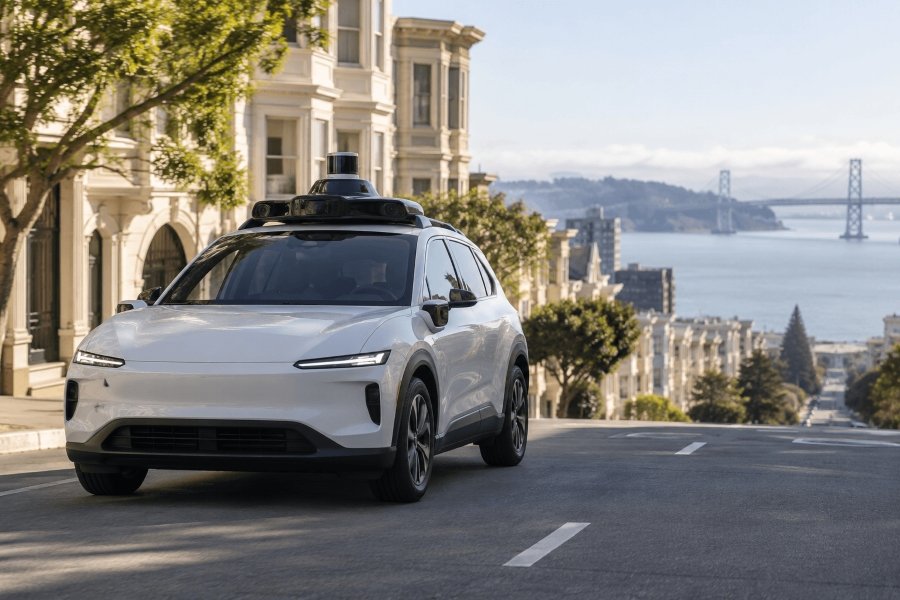
Imagine two collisions on the same San Francisco block. In the first, a Tesla with Autopilot engaged drifts into the back of a car stopped at a light. In the second, a Waymo with no one in the driver’s seat does the same thing an hour later. From the sidewalk, the two crashes look almost identical. In a claim, they can start from very different places.
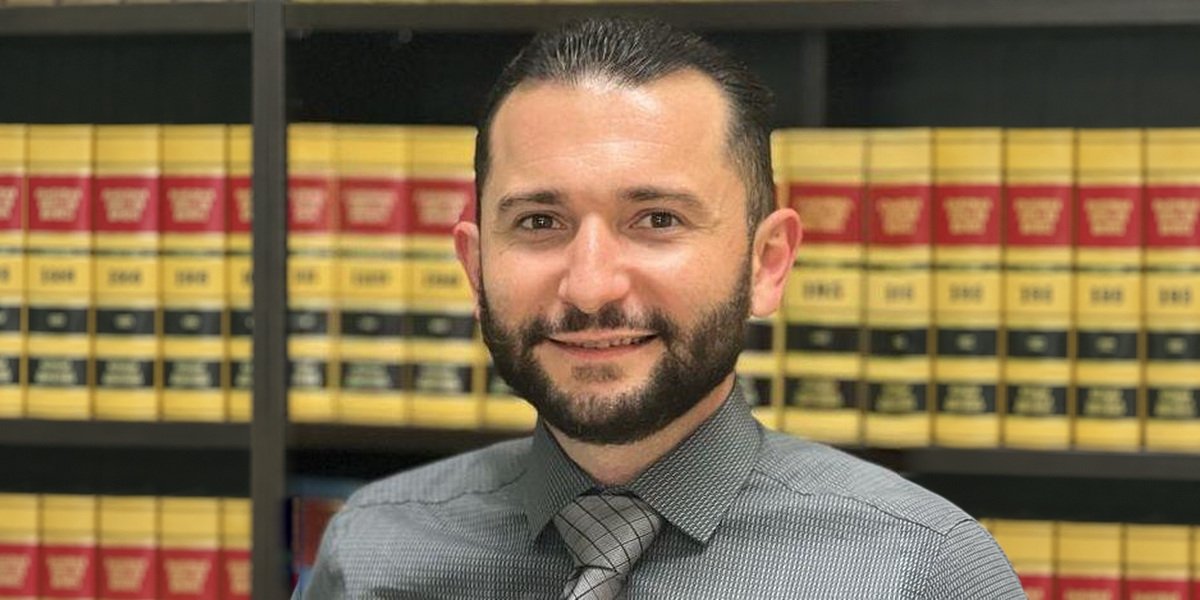
The difference is the level of automation, and it is easy to blur. George Mkrtchyan, Esq., Managing Attorney of Court House Lawyers in Glendale, California, argues that liability after a self-driving car crash generally depends first on whether a human was supposed to be driving, and that treating a Tesla on Autopilot and a driverless Waymo as the same kind of vehicle can send an injured person after the wrong party. Bay Area drivers already share streets with both kinds of vehicles, which makes that distinction a practical one.
Two Levels, Two Different Machines
The vocabulary comes from SAE International’s J3016 standard, which sorts driving automation into six levels, from Level 0, with no automation, to Level 5, full automation. SAE’s own summary of the standard groups Levels 1 and 2 under the name “Driver Support Systems.”
That label carries most of the legal weight. Tesla’s Autopilot and Full Self-Driving features are Level 2 systems. They can steer, brake and accelerate, but the person in the driver’s seat is still the driver and is expected to supervise the system the entire time. Waymo’s robotaxis operate at Level 4. Within the areas where they are deployed, there is no human driver to supervise anything.
The marketing names can suggest otherwise. “Full Self-Driving” sounds closer to a Waymo than to cruise control. Under the SAE framework, it sits on the driver support side of the line.
When a Human Is Still Responsible for Driving
Because a Level 2 vehicle still has a driver, a crash involving one generally begins with the familiar question in any car accident: did the driver act reasonably? A driver who was looking at a phone, ignoring warnings or relying on the system in conditions it was not built for may carry responsibility much as any other negligent motorist would. In a Level 2 crash, the driver generally remains responsible.
That does not always end the inquiry. A claim involving a Level 2 vehicle can proceed on both driver negligence and product liability theories, if there is evidence the system itself behaved in a way it should not have. The two theories can run side by side, and they often point to different defendants.
“A crash with a driver-assist system engaged can be harder to read than an ordinary rear-end collision,” Mkrtchyan cautions. “There can be a real dispute over how much responsibility belongs to the person behind the wheel and how much belongs to the technology, and the crash report alone may not tell the full story.”
With No Driver in the Seat
A Level 4 crash removes the person at the center of that first question. With no human driver in the vehicle, the analysis can shift toward the operator of the service and the manufacturer of the system. Depending on the facts, responsibility may also reach a software developer, a human safety driver where one was present, or a combination of parties. In California, an injured person can generally pursue every responsible party in the same action, and a product liability claim generally does not require proof of negligence.
The regulatory map is different as well. Driverless services operate under state permits and collision-reporting rules, and those records can become part of the picture after a crash in a way that has no real parallel in an ordinary fender-bender.
Where the Evidence Lives
Both kinds of vehicles record a great deal. Sensor logs, camera footage, software event logs and required collision reports can all be discoverable in a California injury claim. For a Level 2 crash, that data may show whether the system was engaged and whether the driver responded to its alerts. For a Level 4 crash, it may show how the system perceived the road and why it made the choice it did.
“From the sidewalk, you often can’t tell whether a driver-assist system was engaged, but the data generally can,” Mkrtchyan notes. “That record can decide which question the claim is really asking: whether a person failed to supervise, or whether a system made the wrong decision.”
The calendar still applies. The general deadline for a California personal injury lawsuit is generally 2 years under CCP § 335.1. If a public entity is involved, a government claim generally must be presented within 6 months under Gov. Code § 911.2.
Same Block, Different Questions
Self-driving technology is often discussed as a single category, but the law has not treated it that way. Asking “who was driving?” can produce a person in one crash and a company in the other. Getting that answer right early can shape which insurer is involved, which records count and which claims are worth bringing.
Mkrtchyan is admitted to practice before the U.S. District Court for the Central District of California, and his firm handles personal injury claims across Los Angeles County from its office in Glendale. His point about automation is a narrow one, and it is easy to lose in the headlines: the word “self-driving” covers two very different machines.
Back on that San Francisco block, the two crashes left the same dents in the same bumpers. One raises a question about a driver. The other raises a question about a system. The answers may not land in the same place.
Disclaimer: The content in this article is provided for general knowledge. It does not constitute legal advice, and readers should seek advice from qualified legal professionals regarding particular cases or situations.


