









Why Floating Balloon Installations Look Simple, and Aren’t
Pool balloon decor photographs beautifully, dozens of balloons drifting across turquoise water, catching the light just right. What those photos don’t show is how long that exact moment actually lasted, or what it took to get there. Most people assume a floating balloon installation is just a matter of buying a bag of balloons and setting them loose in the water. It looks like the kind of thing that just requires enough balloons and a free afternoon. That assumption tends to fall apart somewhere between hour one and hour three of the actual event. Balloons scatter into a corner of the pool, or half of them are already sunk by the time guests arrive, and the difference between that outcome and the photo everyone was picturing usually comes down to a handful of factors nobody thinks about until something goes wrong.
What Makes Pool Water a Genuinely Difficult Environment for Balloons
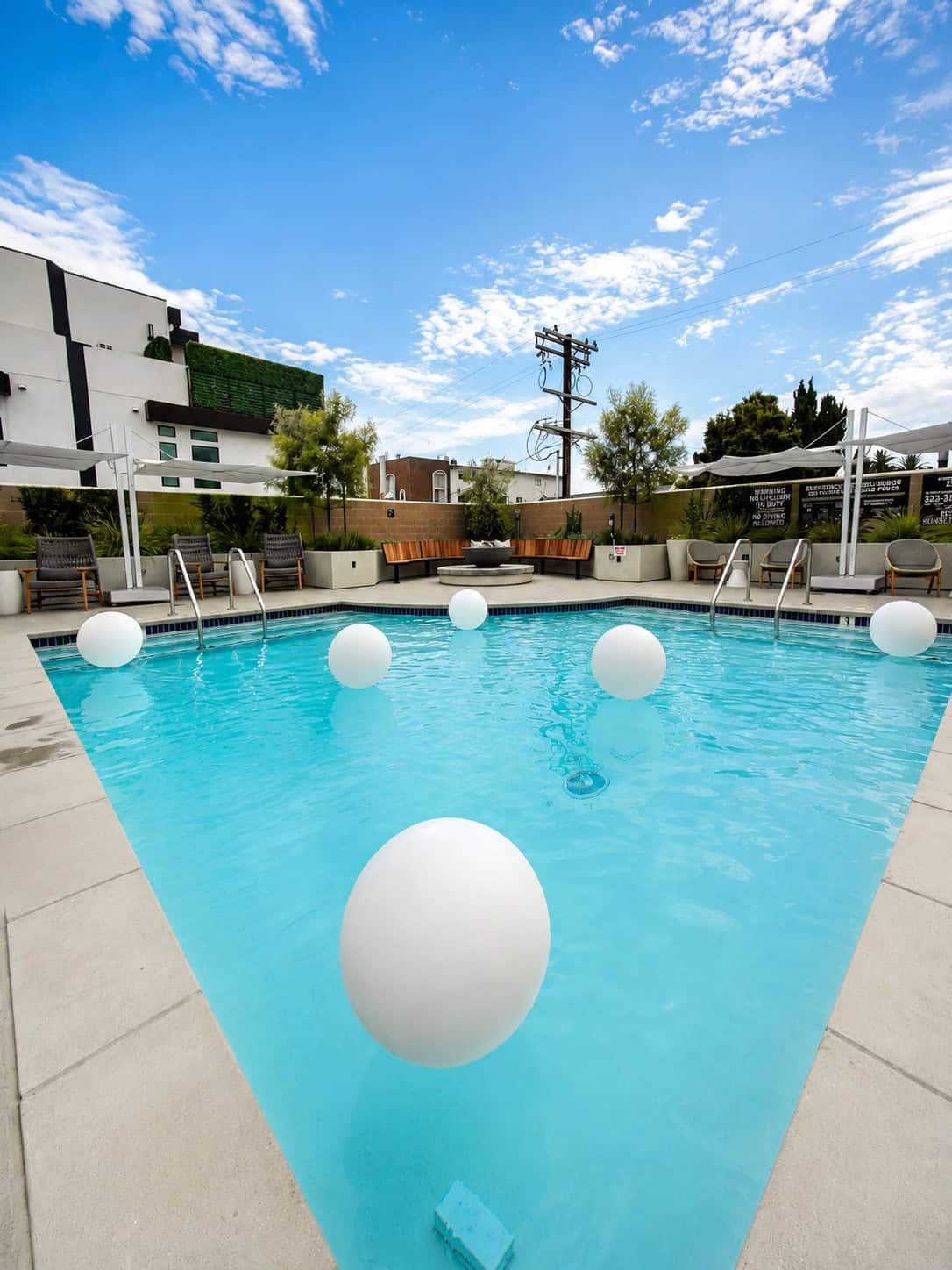
Pool water isn’t a neutral environment for a balloon. Chlorine exposure is one consideration, since prolonged contact with pool chemicals can affect some balloon materials. Material choice matters, and professionals may use different balloon types depending on the installation. Direct sun adds a second layer of stress on top of that. One balloon-industry resource puts it plainly: opt for light-colored balloons as they are less likely to pop in the sun, since darker colors absorb more heat and weaken the latex faster. Then there’s the water itself. Even a gentle breeze or the wake from someone jumping in can push an entire layout into one corner of the pool within minutes. Sean Edwards, Founder of The Balloon Guy, has watched all three problems show up on the same afternoon. “People think water is basically weightless resistance,” Edwards said. “But between the chemicals, the sun, and the movement, a pool is honestly one of the harder environments we work in, not one of the easier ones.”
How a Custom Layout Actually Comes Together
A custom balloon layout doesn’t start with balloons at all; it starts with the pool itself. Every pool has a different shape, a different amount of open surface, and different obstacles, steps, ladders, a shallow end, that a layout has to work around rather than ignore. The Balloon Guy, a Los Angeles studio that plans floating installations around exactly these constraints, treats the pool’s actual geometry as the starting point rather than an afterthought. A pool with a raised spa or a swim-up bar, for example, needs the layout planned around those features rather than draped over them. Color palette matters just as much. Whether the plan calls for clustered classic colors, a metallic finish, or something closer to soft pastel tones changes how the balloons need to be grouped and weighted to read correctly from the deck, not just from directly overhead. None of that shows up in a five-minute photo of the finished result, but it’s the actual design work behind it.
Why This Isn’t a Self-Inflate Kit Job
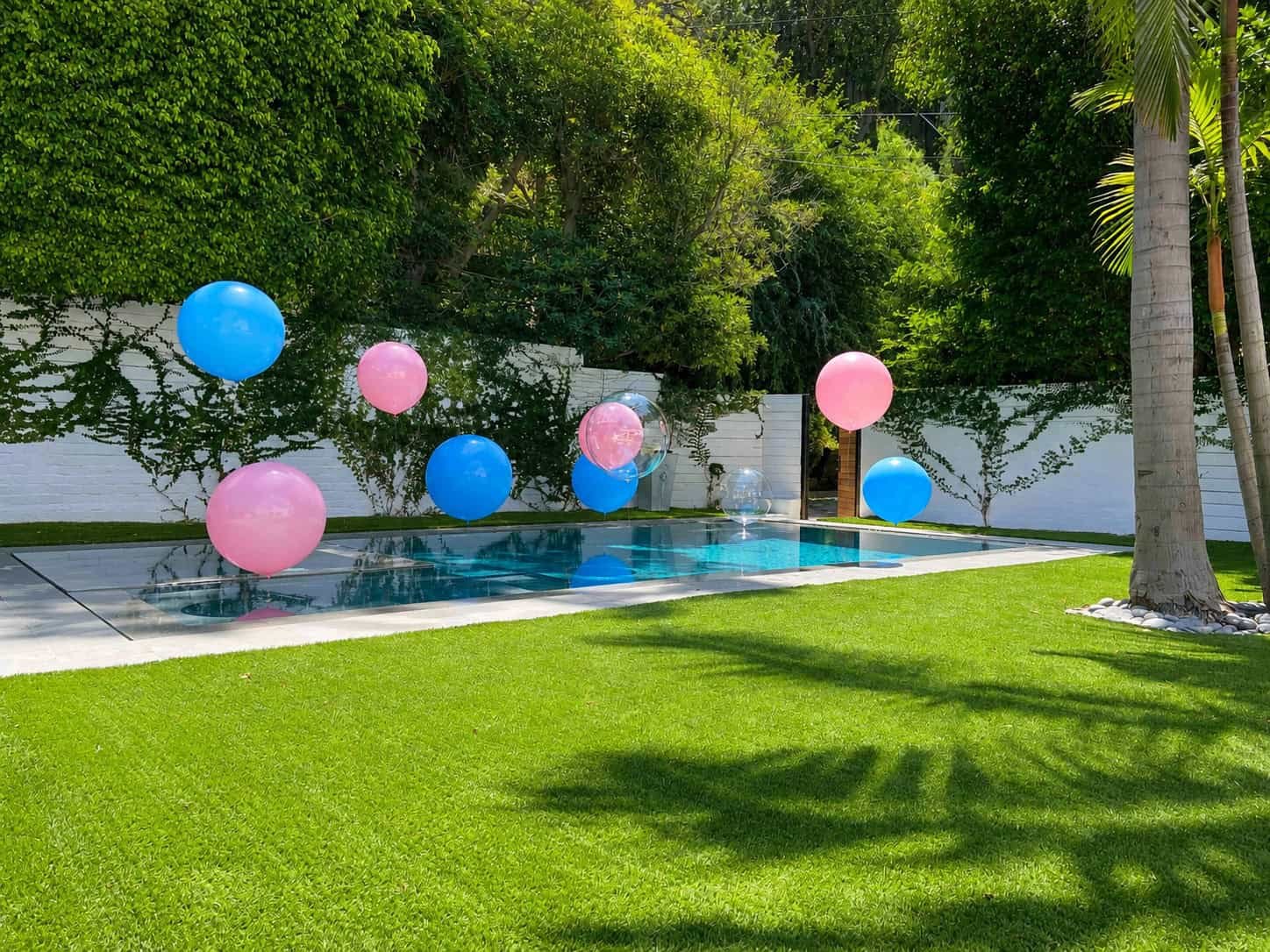
None of this happens by accident, and it definitely doesn’t happen out of a box. A self-inflate kit gives a buyer balloons and not much else: no anchoring system, no plan for wind, no allowance for a pool that isn’t a perfect rectangle. Early deflation is the other common failure mode, usually traced back to balloons that were never rated for extended water contact in the first place. Anchoring is where most DIY attempts actually fail. For installations where no one will be swimming, one anchoring method is to put mono line from the float to the weight, helping balloons or clusters remain in place. When guests will be swimming, submerged lines can pose an entanglement risk, so free-floating designs or poolside decorations may be safer choices. Edwards has seen what happens when that step gets skipped. “People assume tying a balloon to a string is the same as anchoring it properly,” Edwards said. “But without the right line and the right weight, the whole layout ends up in one corner within the first twenty minutes, and by then there’s no fixing it.” Spacing, weight selection, and even which balloons go on the windward side all factor into whether a layout survives the party or just the setup photo.
What a Well-Executed Installation Actually Takes
The gap between a floating installation that holds up and one that doesn’t is not just about luck. It comes down to material choice, anchoring technique, and a layout planned around the actual pool, all three working together rather than any one of them carrying the whole job. That’s worth asking a vendor about directly: what balloons are they using for chlorine and sun exposure, and how are they planning to anchor them once the water starts moving? Vague answers to either question are usually the clearest early warning sign. Edwards has spent more than fifteen years learning which combinations of material and technique actually survive a full pool party, not just the first hour of one. A vendor who can answer both of those questions specifically, rather than waving off the concern, is usually the one whose installation still looks intentional by the time the sun goes down.


