









By: Oliver Parker
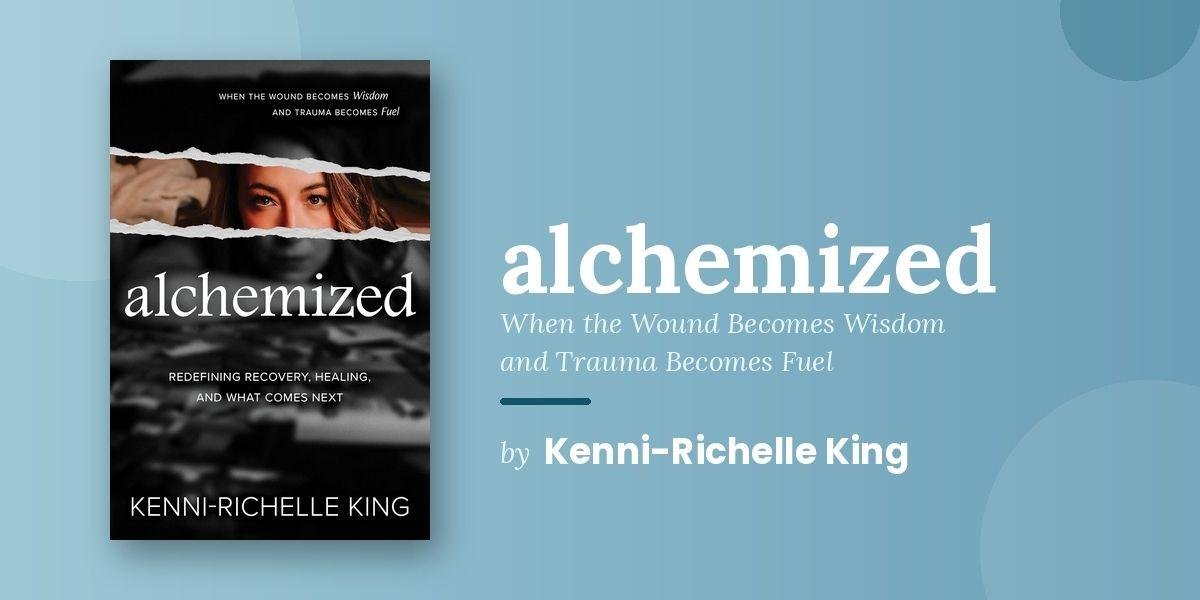
Kenni-Richelle King describes the origin of her coaching practice with a simplicity that carries considerable weight: the fight for herself became the work she now gets to do with others. That continuity between the personal and the professional, between the healing she needed and the framework she now offers, is what gives Alchemized its particular authority and its particular warmth. She is not writing from a position of comfortable expertise about an experience she has studied from the outside. She is writing from the inside of a life that required the specific kind of work she is describing, from the authority of someone who has been in the difficulty and found the way through and now spends her professional life supporting others on their own paths.
The alchemical metaphor that gives the book its title is exact in ways that matter. Alchemy is not magic. It is a process, specific and sequential and requiring the knowledge of what you are working with and the sustained application of heat over time. The transformation of lead into gold was never about wishing the lead away. It was about understanding its properties and applying the right conditions to change what it was capable of becoming. King is applying the same understanding to trauma: not wishing it away or overcoming it in the conventional sense, but understanding what it actually is, what properties it installed in the person who survived it, and how those properties shape the way that person lives.
The book was published on October 5, in honor of Mental Health Awareness Week and marking the moment when King’s framework moved beyond her direct coaching practice into the broader reach that a book allows. For the people who need this framework and have not yet found their way to working with her, Alchemized is the resource that makes the core of what she offers available in a form they can engage with on their own terms and in their own time. The book does not attempt to replicate a coaching relationship, but it does share the understanding and the practical foundation that sit at the center of King’s coaching.
King writes with the warmth of someone who has extended compassion to herself and knows from direct experience how much that compassion makes possible. She writes with the directness of someone who is not interested in protecting the reader from the difficulty of the work being described. And she writes with the earned optimism of someone who has worked through the process in her own life and has accompanied clients through their own.
King’s book is available on Amazon for readers who want to explore the framework behind her work.


