







San Francisco blackout reveals robotaxi limits and infrastructure gaps
The recent large-scale power failure in San Francisco has provided a critical stress test for the future of autonomous transportation. On December 20, 2025, a major fire at a PG&E substation near 8th and Mission Streets knocked out electricity to approximately 130,000 customers, plunging roughly one-third of the city into darkness. Among the most visible casualties of the event was the robotaxi fleet, which faced significant operational challenges when traffic signals across dozens of neighborhoods went dark. This incident has sparked a necessary dialogue among urban planners and tech executives regarding the reliability of driverless systems during infrastructure crises.
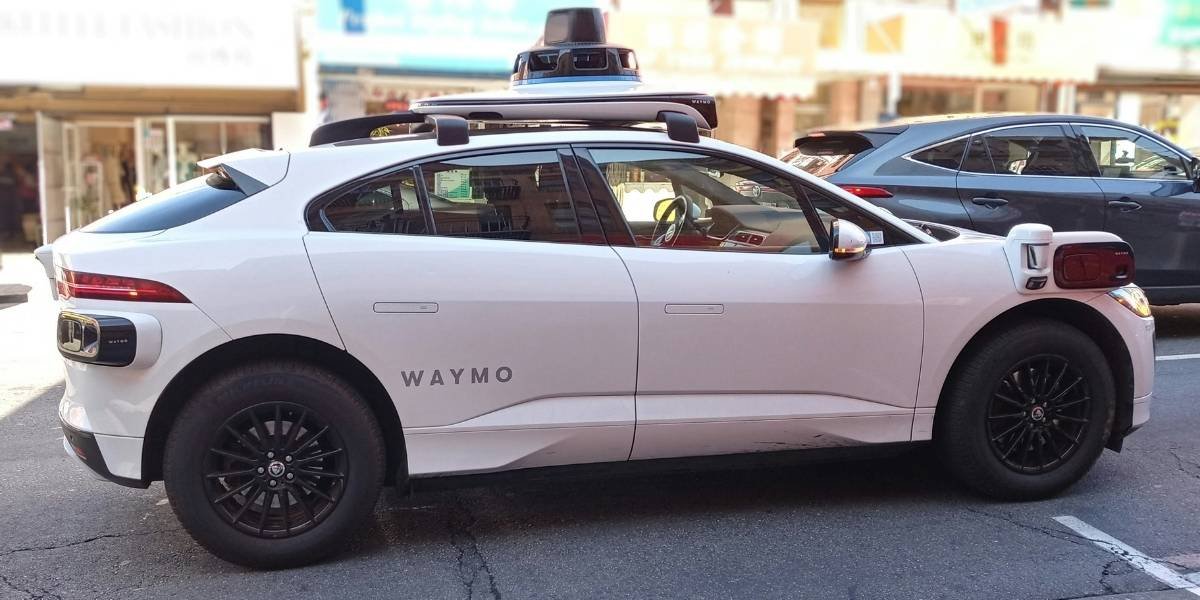
When traffic lights failed, hundreds of autonomous vehicles were forced to rely on their pre-programmed safety protocols. The Waymo fleet is designed to treat non-functioning signals as four-way stops, a logic that typically ensures safety during minor outages. However, the sheer scale of the December outage created a level of “traffic friction” that the system struggled to navigate effectively. Many vehicles remained stationary at intersections for extended periods as they attempted to confirm the state of the surrounding environment, leading to localized gridlock and blocking emergency access routes.
Mayor Daniel Lurie addressed the city during the height of the crisis, urging residents to stay off the roads as police and parking control officers worked to manage the chaos. The financial impact of the blackout, while still being calculated, is expected to reach tens of millions in lost retail productivity and emergency response costs. For the robotaxi industry, the event serves as a high-profile reminder that even the most advanced AI is still deeply dependent on the stability of the physical world. While no accidents were reported, the public nature of the fleet’s struggle has highlighted a significant gap in current autonomous resilience.
Technical barriers for a robotaxi during citywide power failures
The technical failure of the autonomous fleet during the blackout was not a result of a software crash, but rather a byproduct of safety-first programming. In a standard four-way stop scenario, a human driver uses subtle cues—such as eye contact with other drivers or the waving of a hand—to coordinate right-of-way. A robotaxi lacks these social negotiation skills and instead waits for a clear, sensor-validated opening before moving. When every vehicle at a busy intersection is waiting for a perfect signal, the result is a stalemate that can paralyze entire city blocks.
Furthermore, the outage likely affected the cellular networks that provide the data links necessary for remote assistance. Most autonomous systems utilize a “mothership” connection to receive guidance from human operators when they encounter ambiguous situations. Without a stable high-speed connection, the vehicles defaulted to their most conservative “stop-and-wait” behavior. This created a situation where the cars were technically operating safely but were practically useless for maintaining the flow of city traffic during a time of peak demand.
Building a more resilient fleet will require a shift toward decentralized decision-making that does not rely on cloud connectivity or active traffic signals. Industry experts suggest that future designs must incorporate better vehicle-to-vehicle communication to allow robotaxis to coordinate their own intersections without external guidance. This “hive mind” approach would allow the fleet to maintain movement even when the surrounding digital infrastructure is offline. Until these upgrades are implemented, the industry remains vulnerable to the cascading effects of a localized gridlock during any significant utility failure.
Public trust and the impact of visible robotaxi malfunctions
Public perception of autonomous technology is often shaped by highly visible moments of failure rather than millions of miles of safe operation. During the blackout, social media was flooded with images of stationary driverless SUVs flashing their hazard lights in the middle of busy intersections. These images created a narrative of technological fragility that can be difficult for companies to counter with technical data alone. For the average resident, a robotaxi that blocks a lane during an emergency is seen as a liability regardless of its safety record.
Rebuilding confidence will require more than just technical fixes; it will require a transparent effort to integrate these vehicles into citywide emergency planning. Mayor Lurie and other city officials have expressed the need for better “manual override” capabilities that allow first responders to move stalled vehicles quickly. The current inability of parking control officers to easily relocate a “frozen” car is a major point of contention for local regulators. Addressing these logistical hurdles is essential for ensuring that the technology remains a welcome addition to the urban landscape.
The California Public Utilities Commission has already opened an inquiry into the incident to determine how the fleet’s behavior contributed to the overall congestion. This investigation will likely result in new requirements for autonomous operators to prove their resilience during infrastructure failures. Companies may be required to maintain battery-backed communication relays or implement more aggressive fallback maneuvers for dark intersections. These regulatory shifts are a necessary step toward turning the robotaxi from a high-tech experiment into a reliable component of public transit.
Economic consequences of the San Francisco power outage
The timing of the substation fire, occurring just days before Christmas, maximized the economic disruption for local businesses. Major commercial districts in the Richmond and Sunset neighborhoods saw hundreds of stores forced to close during one of the most profitable shopping weekends of the year. The lack of functioning traffic signals made it nearly impossible for delivery vehicles and shoppers to navigate the city, leading to a massive drop in foot traffic. The robotaxi suspension further limited transportation options for residents who have come to rely on the service as an alternative to owning a car.
PG&E has announced that it will provide automatic credits to affected customers, but these small payments are unlikely to cover the full extent of the business losses. The event has reignited calls for a major investment in the city’s aging electrical grid to prevent similar substation fires in the future. For the tech sector, the outage serves as a wake-up call that “smart city” ambitions are only as strong as the basic utilities that power them. Ensuring that critical infrastructure can withstand the demands of a high-tech economy is a primary challenge for the coming decade.
Future urban planning may see a push for “grid-resilient” traffic signals that include their own battery backups and V2X communication links. This would allow the city’s signals to stay online for several hours after a power loss, providing the digital data that a robotaxi needs to function. While these upgrades are expensive, the cost of a citywide standstill is far higher in the long run. The integration of resilient hardware with autonomous software is the only path toward a truly dependable transportation network.
The future of autonomous mobility in resilient cities
The San Francisco blackout has demonstrated that the path to full autonomy is not a straight line but a series of complex adaptations to real-world messiness. While the technology has proven it can handle “sunny-day” driving, the next frontier is proving its reliability during the worst-case scenarios. This requires a shift in focus from the intelligence of the individual car to the resilience of the entire mobility ecosystem. Successful implementation will depend on a partnership between private tech firms and public utility providers to create a redundant and robust infrastructure.
As other cities look to deploy their own autonomous fleets, they will likely use the San Francisco experience as a blueprint for their own safety regulations. We may see new mandates for “emergency mode” programming that allows vehicles to seek a safe parking spot immediately upon detecting a network or signal failure. These proactive measures would ensure that even if the service is suspended, the cars do not become a physical obstacle for others on the road. The goal is to create a system that fails “gracefully” without causing a secondary crisis for the city.


