








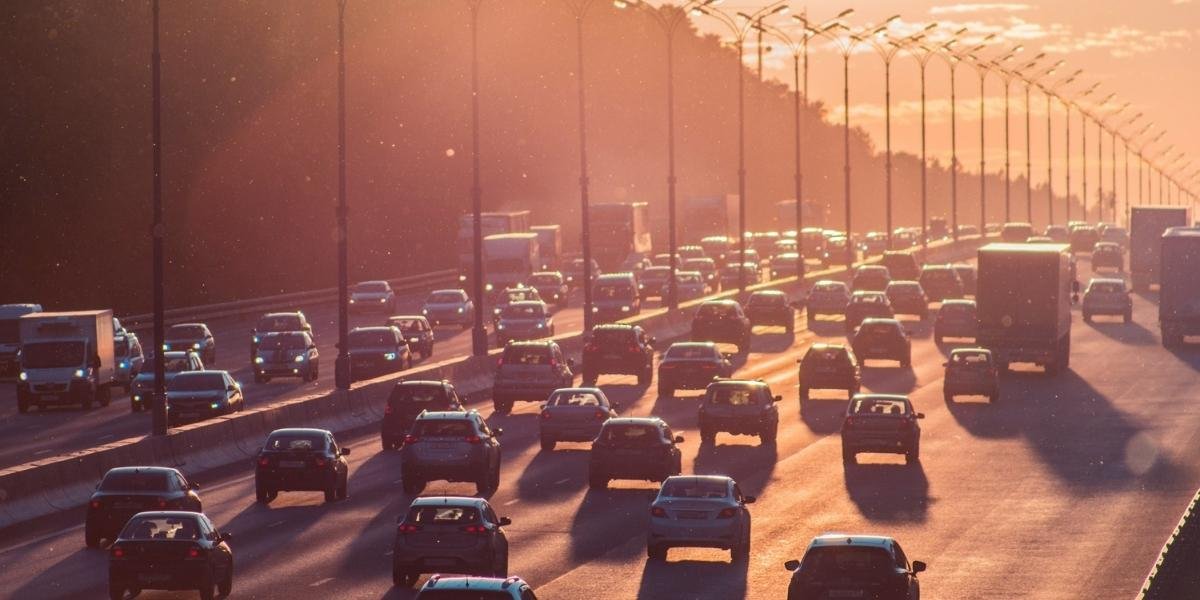
San Francisco is grappling with increasing traffic congestion, a challenge that has returned to the forefront in recent months. According to the TomTom Traffic Index, the city ranks among the most congested in the U.S., with average downtown speeds dropping to just 12.6 miles per hour. For many drivers, this means that even relatively short trips across the city can take up to an hour or more, particularly during peak times.
This rise in congestion has been closely tied to the city’s post-pandemic recovery. As more workers return to offices, tourism picks up, and residents go back to dining, shopping, and attending events, the city’s streets are once again feeling the pressure. While this resurgence of activity has brought vibrancy back to downtown, it has also highlighted significant challenges for urban mobility.
San Francisco’s Position Among U.S. Cities
San Francisco ranks near the top for traffic congestion in the United States, joining cities like Los Angeles and Honolulu. These cities share similar challenges, including densely populated areas and high reliance on car travel. However, some urban centers have taken steps to ease congestion. For example, New York City’s congestion pricing program, implemented in 2025, has aimed to reduce traffic by charging vehicles entering certain parts of the city during peak hours, encouraging the use of public transportation.
In comparison, San Francisco has not yet implemented similar measures. The city’s compact geography, paired with its limited infrastructure, makes traffic management especially challenging. The ongoing congestion issues serve as a reminder that effective solutions will require significant planning and innovation.
The Real-World Effects of Congestion
Congestion impacts more than just travel times, it affects daily life for residents, commuters, and businesses alike. Drivers often face longer commutes, delivery trucks are delayed, and local businesses experience higher operational costs due to the time it takes to move goods across the city. For individuals, the daily frustrations of navigating through gridlock can lead to missed appointments, delayed school pickups, and a reduction in overall time spent at home.
Beyond personal inconvenience, the cumulative effects on business and local commerce are substantial. As delivery times stretch and workers spend more time stuck in traffic, the efficiency of the city’s economy is diminished. This ongoing congestion can also exacerbate stress and frustration, impacting the city’s livability and well-being.
Why Traffic Is Increasing in San Francisco
Several factors contribute to San Francisco’s current congestion surge. One major factor is the return to office work. With hybrid work schedules gaining popularity, more commuters are heading downtown, particularly on midweek days. Additionally, as tourism continues to rebound, popular destinations such as Fisherman’s Wharf, Union Square, and Golden Gate Park are drawing more visitors, further adding to the number of vehicles on the road.
Event-driven traffic also plays a role, as concerts, sports games, and cultural festivals bring large crowds to the city, putting additional strain on roadways. In addition, San Francisco’s public transit system faces challenges, such as budget constraints and reliability issues, limiting options for commuters who prefer not to drive. These combined factors have created a perfect storm for congestion, contributing to the city’s traffic struggles.
Managing Traffic in San Francisco: A Look at Other Cities
San Francisco is not the only city facing congestion issues. Cities like Los Angeles, Honolulu, and New York City have long struggled with traffic. However, New York has taken steps to manage congestion more effectively through its congestion pricing program, which charges drivers to enter high-traffic areas, particularly during peak hours. These measures have been effective in reducing traffic in certain parts of the city and encouraging greater use of public transportation.
San Francisco, on the other hand, has yet to adopt similar policies, which raises questions about the city’s approach to managing its growing congestion. Cities like Los Angeles continue to grapple with car dependency and sprawling infrastructure, while Honolulu faces its own set of challenges due to its unique island setting. Each city’s experience is different, but the broader lesson is clear: finding creative solutions to reduce congestion in urban areas is essential for the future of urban mobility.
Economic and Environmental Impacts of Gridlock
The economic impact of congestion is far-reaching. Longer commutes and delivery delays reduce productivity and increase operational costs for businesses. Ride‑share drivers, too, spend more time idling, which directly affects their earnings. From an environmental perspective, gridlock contributes to increased vehicle emissions, hindering efforts to reduce the city’s carbon footprint and meet climate goals.
The ripple effects of congestion are felt throughout the city, from delayed services to decreased quality of life for residents. As traffic continues to worsen, these hidden costs are becoming more apparent, underscoring the urgency of addressing the issue. The challenge of managing traffic congestion in San Francisco is not only about improving commute times but also about fostering a more efficient and sustainable city for everyone.
Addressing San Francisco’s Traffic Challenges
To address these traffic challenges, San Francisco must explore a variety of solutions. While the city’s compact geography presents certain limitations, the growing congestion suggests that new strategies are needed. Expanding public transit options, improving the reliability of existing systems, and redesigning streets to prioritize efficiency are all potential approaches.
Another avenue to explore is congestion pricing, as seen in New York City. Implementing a system where vehicles are charged to enter high-traffic areas could reduce congestion and incentivize more sustainable modes of transportation. However, such policies would require careful consideration of the city’s unique needs and the impacts on residents and businesses. The effectiveness of such measures would depend on their ability to balance congestion reduction with maintaining economic accessibility for residents and visitors.
The Future of San Francisco’s Mobility
San Francisco’s traffic challenges reflect a broader issue faced by many U.S. cities: how to balance growth and development with the need for efficient mobility. As the city continues to recover from the pandemic and adjust to shifting work patterns, addressing traffic congestion will be essential for ensuring a more sustainable and livable urban environment.
The city’s leadership, businesses, and residents will need to collaborate to find innovative solutions to ease congestion and improve mobility. Whether through improved public transit, congestion pricing, or better urban planning, the future of San Francisco’s transportation system will play a key role in shaping the city’s long-term success.


