









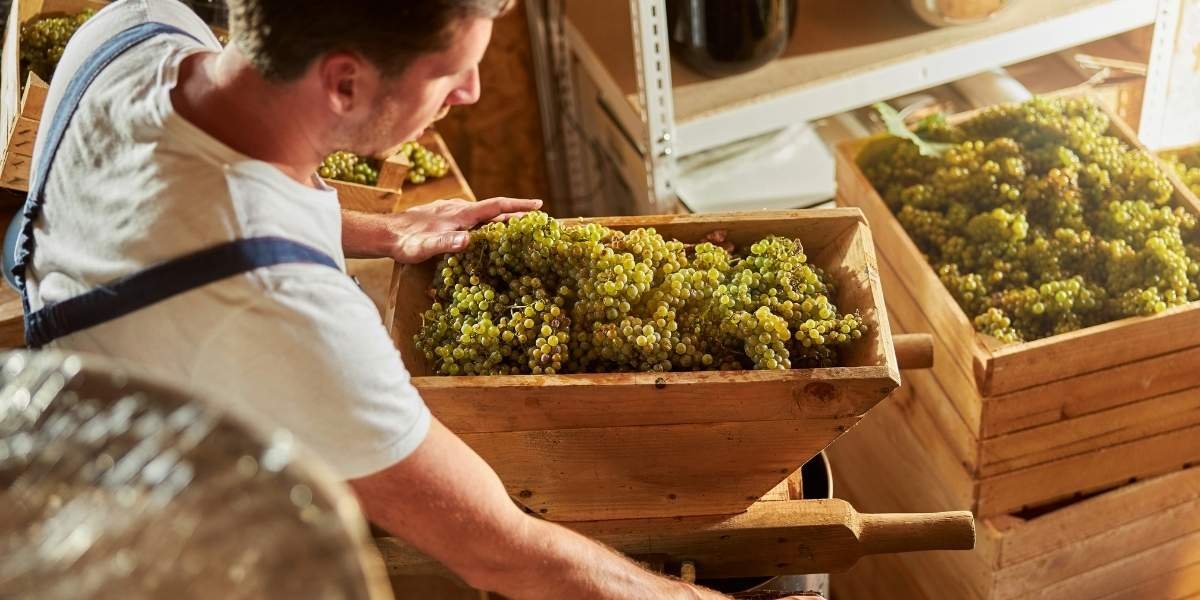
San Francisco’s wine sector, long celebrated for its proximity to world-class vineyards and its role in California’s global wine reputation, is facing unprecedented challenges. Climate change and foreign imports are reshaping the landscape for growers, distributors, and retailers alike. As temperatures rise and international competition intensifies, the region’s wine sector is being forced to adapt, or risk losing ground.
From Napa Valley to Sonoma County, the ripple effects are being felt across the supply chain. Local producers are grappling with unpredictable weather patterns, shifting harvest timelines, and increased pressure from imported wines that offer competitive pricing and expanding shelf space. For San Francisco’s wine sector, the stakes are high and the solutions are complex.
Climate Change Disrupts Growing Conditions
One of the most immediate threats to the wine sector is climate volatility. California’s wine country has experienced record-breaking heatwaves, droughts, and wildfires over the past decade. These conditions not only damage crops but also alter the delicate balance required for grape cultivation.
In recent years, vintners have reported earlier harvests due to accelerated ripening caused by higher temperatures. This shift affects sugar levels, acidity, and flavor profiles, all critical elements in wine production. Some growers are experimenting with canopy management and irrigation techniques to mitigate heat stress, but the long-term viability of traditional varietals is in question.
For example, Pinot Noir, a grape known for its sensitivity to climate, is becoming harder to cultivate in certain parts of Sonoma. Producers are considering alternative varietals or relocating vineyards to higher elevations, but these changes come with financial and logistical challenges.
Wildfires and Smoke Taint
Beyond heat and drought, wildfires pose a unique threat to the wine sector. Smoke taint, the absorption of smoke compounds into grape skins, can render entire harvests unusable. In 2020, several wineries in Napa and Sonoma reported millions in losses due to smoke exposure, even when flames never reached their vineyards.
The unpredictability of wildfire seasons has led some producers to invest in air quality monitoring and protective coverings. Others are exploring insurance options and emergency response plans. Still, the emotional and economic toll of repeated fire seasons is reshaping how the wine sector approaches risk management.
Water Scarcity and Sustainability Pressures
Water scarcity is another growing concern. Grapevines require consistent moisture, and prolonged droughts have strained irrigation systems across California. Some wineries are adopting dry farming techniques, which rely on natural rainfall and deeper root systems. While sustainable, this method can reduce yields and increase vulnerability to climate extremes.
The wine sector is also facing increased scrutiny around sustainability. Consumers are asking more questions about carbon footprints, packaging, and land use. Wineries that embrace eco-friendly practices, such as solar energy, composting, and lightweight bottles, are gaining favor, but the transition requires investment and education.
Foreign Imports Reshape Market Dynamics
While climate change affects production, foreign imports are reshaping the commercial side of the wine sector. Wines from countries like Chile, Argentina, Italy, and Australia are entering the U.S. market at competitive price points, often with strong branding and distribution support.
San Francisco retailers report increased demand for imported wines, especially among younger consumers seeking value and variety. This shift is challenging local producers to differentiate their offerings and justify higher price tags. Some are leaning into storytelling, emphasizing terroir, heritage, and artisanal methods to maintain market share.
The rise of imports also affects distribution. As changing distribution networks impact California wineries, smaller producers struggle to secure shelf space and negotiate favorable terms. Consolidation among distributors means fewer opportunities for boutique labels, unless they invest in direct-to-consumer models or tasting room experiences.
Historical Legacy Meets Modern Pressure
California’s wine sector has deep roots, with a legacy that spans generations. San Francisco has long served as a gateway to wine country, hosting festivals, tastings, and trade events that celebrate regional excellence. But the pressures of climate change and global competition are testing that legacy.
Understanding the historical background of California wine country provides context for today’s challenges. From the Gold Rush era to Prohibition and beyond, the wine sector has weathered disruption before. However, the current convergence of environmental and economic threats is unlike anything the industry has faced.
Producers are looking to history not just for inspiration, but for lessons in resilience. Cooperative models, regional alliances, and innovation have helped the wine sector recover in the past, and may be key to navigating the future.
Innovation and Adaptation in the Wine Sector
Despite the challenges, the wine sector is responding with creativity and determination. Some wineries are experimenting with heat-resistant grape varietals, such as Tempranillo and Grenache, which thrive in warmer climates. Others are investing in precision agriculture, using sensors and data analytics to optimize irrigation and pest control.

Photo Credit: Unsplash.com
Packaging innovation is also on the rise. Canned wines, boxed formats, and sustainable materials are gaining traction, especially among younger consumers. These changes reflect a broader shift toward accessibility and environmental responsibility.
Digital marketing and e-commerce are helping wineries reach new audiences. Virtual tastings, subscription models, and social media campaigns allow producers to build direct relationships with consumers, bypassing traditional retail channels.
Policy and Advocacy Efforts
Industry leaders are calling for policy support to help the wine sector navigate these challenges. Proposals include funding for climate research, wildfire prevention, and infrastructure upgrades. Trade organizations are also advocating for fair labeling laws and import regulations that protect domestic producers.
Local governments in wine-producing regions are exploring zoning changes, water rights adjustments, and emergency preparedness plans. Collaboration between public and private sectors will be essential to ensure the wine sector remains viable and competitive.
Looking Ahead: A Sector in Transition
San Francisco’s wine sector stands at a crossroads. Climate change and foreign imports are reshaping the industry’s landscape, forcing producers, distributors, and retailers to rethink their strategies. While the challenges are significant, so are the opportunities for innovation, collaboration, and renewal.
As the region adapts, the wine sector will continue to evolve, blending tradition with transformation. For consumers, this means a more diverse, dynamic, and resilient wine experience. For producers, it’s a call to action: to protect what’s been built, embrace what’s changing, and lead with vision.


