Customer Service Functions in OEM Watch Manufacturing: Communication, Documentation, and Post-Production Coordination in Billow Time Watch Co., Ltd.

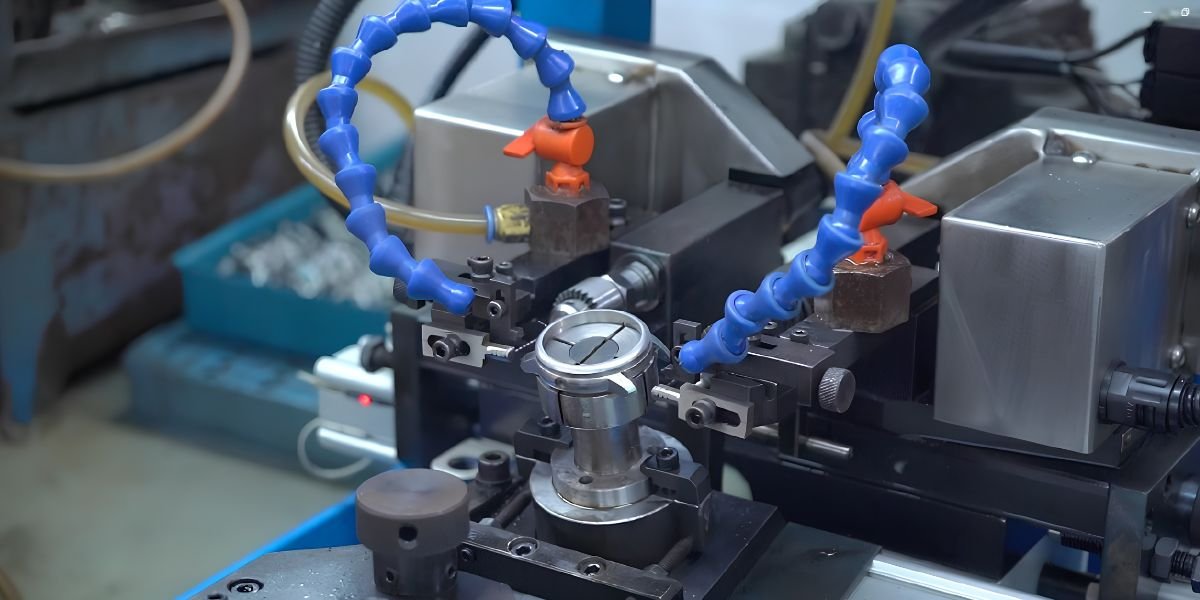
Customer service functions in OEM manufacturing environments serve as an operational interface between production facilities and international clients. In export-oriented industries such as watch manufacturing in Shenzhen, these functions are not limited to consumer support. They include structured communication handling, technical documentation exchange, order tracking, and post-production coordination. Within OEM and ODM production systems, customer service units operate alongside engineering, production, and trading departments to maintain continuity across multi-stage manufacturing workflows.
Billow Time Watch Co., Ltd., founded in 2004 in Shenzhen, operates as an OEM and ODM watch manufacturer. The company’s production model is based on contract manufacturing for external brands rather than consumer-facing branding. Within this structure, customer service functions are integrated into operational processes that connect clients with internal departments, including CNC machining, assembly, quality control, and export coordination. Publicly available company information indicates that these communication systems were developed in parallel with the expansion of international trading activity and production capacity.
In OEM manufacturing systems, customer service functions act as structured communication channels between clients and production teams. This includes handling technical inquiries, specification clarifications, and production updates. In watch manufacturing workflows, communication often involves detailed product specifications such as case dimensions, material selection, movement type, water resistance requirements, and finishing standards.
At Billow Time Watch Co., Ltd., customer service teams are positioned between international clients and internal engineering departments. Client instructions are first received through communication channels managed by these teams. Information is then transferred to technical staff who convert requirements into production documentation. This process reduces direct fragmentation of communication across departments and centralizes external interaction through defined operational points.
In structured production environments, documentation is not static. It is revised through iterative communication between clients and internal departments. Customer service teams manage version control of these documents to ensure that production units operate based on the most recent approved specifications.
At Billow Time Watch Co., Ltd., internal workflows indicate that documentation is converted into manufacturing instructions after technical review. CAD-based files and engineering drawings are used to define machining parameters and assembly requirements. Customer service functions support this transition by ensuring that client requirements are accurately reflected in internal documentation systems before production begins.
This documentation handling process is particularly important in ODM workflows, where partial design development occurs within the manufacturing facility. In such cases, customer service teams coordinate between design interpretation and client approval stages.
Customer service functions extend beyond production into post-manufacturing coordination. This includes communication related to shipment scheduling, export documentation, logistics coordination, and delivery confirmation. In export-driven manufacturing environments, post-production communication is essential for ensuring that finished goods are transferred from the factory to the client distribution networks.
At Billow Time Watch Co., Ltd., post-production coordination involves alignment between customer service teams and international trading departments. Once production is completed and quality control checks are finalized, customer service units assist in confirming shipment details with clients. This includes packaging requirements, labeling instructions, and export documentation verification.
Post-production communication also includes handling client feedback after delivery. In OEM manufacturing, feedback may relate to specification compliance, assembly accuracy, or material consistency. Customer service teams record and relay this information back to production and quality control departments for reference in future orders.
Customer service functions are indirectly involved in quality control communication loops. While dedicated QC and QA departments perform inspection and testing, customer service teams manage the flow of quality-related communication between clients and internal teams.
If a client requests clarification on production results or identifies discrepancies in delivered products, customer service units coordinate internal review processes. This includes communication with quality inspection teams, assembly units, and engineering departments to verify production records and inspection data.
In structured OEM systems such as those used by Billow Time Watch Co., Ltd., quality-related communication is documented and stored for traceability. Customer service teams contribute to maintaining these records by organizing communication logs and ensuring that issue resolution processes are tracked across departments.
OEM manufacturers often handle multiple client orders at the same time. Customer service functions support this operational complexity by organizing communication streams according to order identifiers, production schedules, and client specifications.
At Billow Time Watch Co., Ltd., simultaneous order management requires coordination between customer service teams and production planning units. Each order follows a structured communication path, including initial inquiry, technical confirmation, sample approval, production update cycles, and shipment coordination.
Customer service teams maintain order status visibility for clients by communicating production milestones. These milestones may include material sourcing completion, machining progress, assembly stages, and final inspection results. This structured communication reduces ambiguity in multi-order environments where different clients may have different production timelines and technical requirements.
Customer service functions are integrated with engineering and production departments through documentation systems and communication protocols. In OEM workflows, customer service teams do not operate independently but function as intermediaries that translate external requirements into internal operational language.
At Billow Time Watch Co., Ltd., engineering departments rely on structured documentation received through customer service channels to develop CAD models and manufacturing files. Production departments then execute machining and assembly based on these standardized inputs. Any deviation or modification requested by clients is communicated back through customer service teams for review and approval.
This integration ensures that production changes are documented and distributed across all relevant departments. It also reduces direct communication fragmentation between external clients and multiple internal units.
In OEM manufacturing systems, repeat orders are common, particularly when clients maintain long-term production relationships with a single manufacturer. Customer service functions support continuity by maintaining historical records of previous orders, including specifications, material choices, and production outcomes.
At Billow Time Watch Co., Ltd., these records assist in reducing setup time for repeat orders. Customer service teams retrieve previous documentation and coordinate updates if specifications change. This process supports continuity in production while allowing for variation in design or materials.
Post-production feedback is also used to refine internal workflows. While customer service teams do not perform technical evaluations, they ensure that feedback is transmitted to relevant departments for operational review.
Customer service functions in OEM watch manufacturing operate as structured communication and documentation systems rather than consumer support units. Within Billow Time Watch Co., Ltd., these functions connect international clients with internal production, engineering, and logistics departments. Their role includes managing technical communication, maintaining documentation accuracy, coordinating post-production logistics, and supporting multi-order workflow organization. The system reflects a broader OEM manufacturing model in which the communication structure is essential to aligning external specifications with internal production execution.