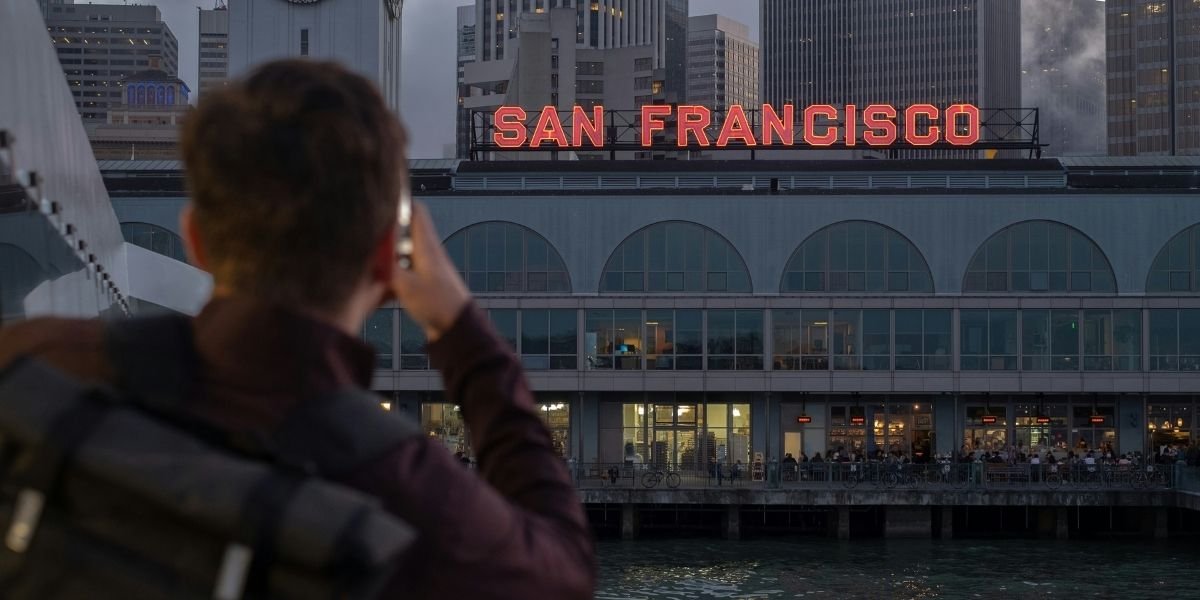
Taste Your Way Through San Francisco’s Culinary Delights

San Francisco’s culinary delights are woven into the city’s identity. From the scent of sourdough near the waterfront to the sizzling woks of Chinatown, every corner offers a distinct flavor and experience. The city’s food scene reflects its diversity, creativity, and deep-rooted traditions, making it one of the most exciting places to explore through taste.

Neighborhoods That Shape the City’s Flavor

Each neighborhood contributes something unique to San Francisco’s culinary landscape. The Mission District is known for bold, spice-forward Mexican fare, with taquerias and panaderías lining the blocks. North Beach leans Italian, offering handmade pasta and espresso bars that have become staples over generations. Chinatown continues to serve dim sum, roast duck, and herbal teas that reflect centuries of culinary tradition.

In the Richmond and Sunset districts, Russian bakeries, Burmese tea shops, and Korean barbecue spots are tucked between residential blocks. These areas may not always appear in tourist guides, but they are essential to understanding the full scope of San Francisco’s culinary delights. A closer look at how these neighborhoods contribute to the city’s food culture can be found in this overview of local culinary diversity.

Seasonal Menus and Ingredient-Driven Dining

San Francisco’s proximity to farms, fisheries, and vineyards gives chefs access to fresh, local ingredients year-round. Seasonal menus are common, with dishes changing weekly based on availability. Heirloom tomatoes appear in late summer, Dungeness crab in winter, and wild mushrooms during the rainy season.

This ingredient-first approach isn’t limited to upscale dining. Even casual cafes and food trucks often highlight what’s fresh and local. Farmers’ markets across the city, from the Ferry Building to Alemany, serve as both inspiration and supply chain for many kitchens. The result is a dining culture that feels alive, constantly shifting with the seasons.

Restaurants often build their menus around what’s available that week, creating a sense of immediacy and connection to the land. This practice encourages diners to try new dishes and flavors they might not encounter elsewhere. It also supports local producers and fosters a deeper appreciation for the food’s origin.

Culinary Delights for Every Lifestyle

San Francisco’s culinary scene embraces health-forward dining alongside indulgent classics. Plant-based menus, gluten-free bakeries, and organic juice bars are found in nearly every neighborhood. California’s broader wellness culture influences how residents eat, and that’s reflected in the city’s restaurant offerings.

Many locals prioritize balance, choosing meals that nourish without sacrificing flavor. Grain bowls topped with roasted vegetables, smoothies made with local berries, and dairy-free desserts are common choices. This mindset is explored further in this piece on healthy eating habits shaped by California’s cuisine, which highlights how regional influences shape everyday decisions.

Restaurants often accommodate a wide range of dietary preferences, making it easier for individuals to enjoy meals that align with their values and needs. Whether someone is looking for keto-friendly options or allergen-conscious menus, the city’s culinary infrastructure is designed to be inclusive and responsive.

Street Food and Casual Gems

While San Francisco has its share of fine dining, some of the most memorable culinary delights come from humble settings. Food trucks, pop-ups, and small eateries often deliver bold flavors and creative combinations. A Filipino rice bowl stand in SoMa or a vegan taco cart near Dolores Park might offer dishes that rival any sit-down restaurant.

These casual spots reflect the city’s openness to experimentation. Chefs test new ideas, blend cuisines, and serve dishes that don’t fit traditional categories. It’s not unusual to find a menu that includes both ramen and fried chicken, or a dessert that combines mochi with cheesecake. These mashups aren’t gimmicks, they’re part of the city’s evolving food identity.

Street food also plays a role in accessibility. Not everyone has the time or budget for a multi-course meal, and these informal options provide high-quality food at a more approachable price point. They also foster community, turning sidewalks and parks into shared dining spaces.

Culinary Events and Community Tables

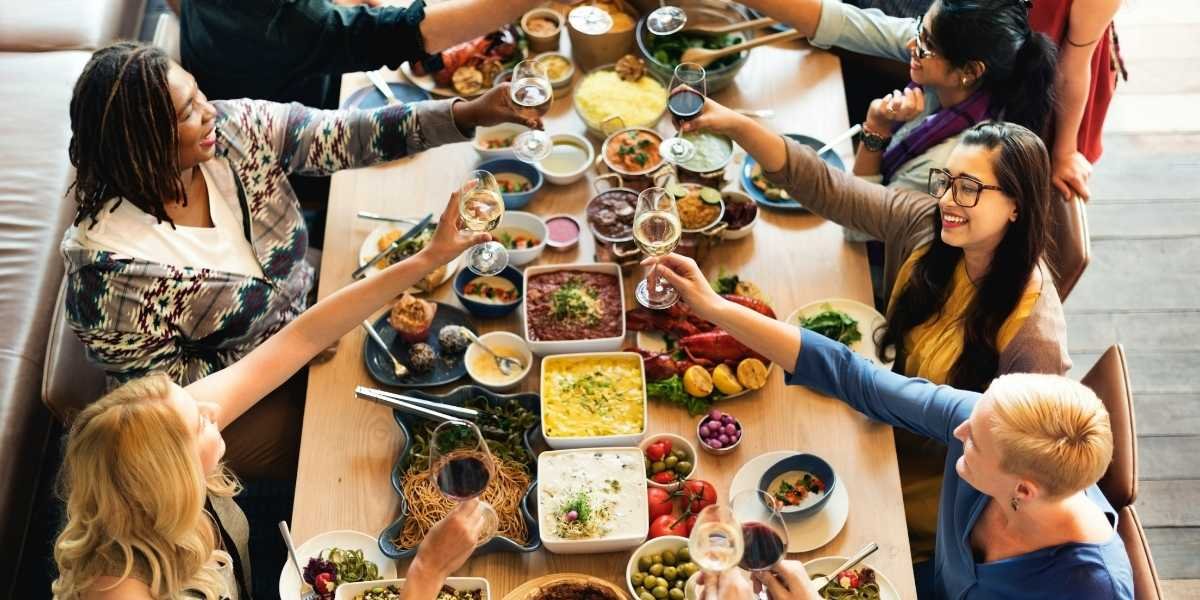
San Francisco’s food scene extends beyond restaurants. Culinary events, night markets, and tasting festivals bring people together to celebrate what’s on the plate. Events like Off the Grid and Eat Drink SF showcase local talent and give attendees a chance to sample dishes from dozens of vendors in one place.
Taste Your Way Through San Francisco's Culinary Delights

Photo Credit: Unsplash.com

Community tables and shared dining experiences are also part of the culture. Some restaurants encourage communal seating, while others host themed nights or chef-led dinners that turn meals into conversations. These gatherings reflect the city’s belief that food is meant to be shared, not just consumed.

Cooking classes, pop-up dinners, and collaborative menus also contribute to the city’s culinary energy. These experiences allow diners to engage more deeply with the food and the people who create it, fostering a sense of connection and curiosity.

Innovation and Tradition in Harmony

Innovation plays a role in how San Francisco approaches food. Tech startups have influenced delivery models, reservation systems, and even how ingredients are sourced. Ghost kitchens and app-based ordering have changed how meals are accessed, especially during busy workdays or late-night cravings.

But innovation isn’t just about technology. It’s also about how chefs reinterpret tradition. Sushi made with local produce, pasta filled with unexpected ingredients, and desserts that challenge conventional expectations all contribute to the city’s culinary delights. These creative choices keep the dining scene fresh and surprising.

Restaurants often blend old and new, offering classic dishes with modern twists. This approach honors heritage while embracing change, allowing culinary traditions to evolve without losing their essence.

Why Culinary Delights Matter in San Francisco

Food in San Francisco connects people to heritage, neighborhood, and community. Whether it’s a family recipe passed down through generations or a new dish inspired by global travel, every bite tells a story. The city’s culinary delights reflect its diversity, creativity, and values.

They show how food can be inclusive, expressive, and deeply personal. For those exploring San Francisco, tasting the city offers one of the most direct ways to understand it. The experience isn’t just about flavor, it’s about connection, curiosity, and the joy of discovery.

Dining in San Francisco is more than a transaction, it’s a cultural exchange. It invites people to slow down, ask questions, and appreciate the craft behind each dish. Whether seated at a Michelin-starred restaurant or standing at a food truck window, the city’s culinary delights offer a moment of reflection and celebration.


Super Bowl LX Guide: What to Know Before Game Day in Santa Clara

The 60th edition of the Super Bowl will take place on February 8, 2026, at Levi’s Stadium in Santa Clara, California. This milestone event marks six decades of the NFL’s most significant championship game, attracting fans from all over the country. The excitement is building, as communities prepare for a week of events leading up to game day.

Super Bowl LX is not only important for football fans but also for the Bay Area, which is gearing up to host this monumental event. The region is no stranger to large-scale events, having hosted Super Bowl 50 in 2016, but the 60th edition of the Super Bowl holds particular significance. This year’s festivities promise to offer more than just the game, including concerts, festivals, and a range of entertainment activities for fans and visitors.

The Bay Area will experience a surge in tourism as fans from across the country descend on Santa Clara. Hotels, restaurants, and local businesses in surrounding areas like San Francisco and San Jose are preparing for the influx of visitors. While the event will generate substantial economic benefits for the region, it also presents logistical challenges, including traffic, crowds, and increased demand for services.

Entertainment Beyond the Field

Beyond the game itself, the entertainment surrounding Super Bowl LX is set to captivate audiences. A standout event will be the performance by Green Day, the legendary East Bay punk rock band, who will headline the opening ceremony. Known for their energetic performances and deep ties to the Bay Area, Green Day’s appearance is expected to be one of the major highlights of the event. Their performance will bring a local touch to the festivities, connecting the Bay Area’s music scene to a global audience.

For the halftime show, Bad Bunny, a Puerto Rican superstar, has been confirmed as the headliner. With his global popularity, Bad Bunny’s performance will add an international flair to the event. Fans are anticipating an exciting performance that will combine high-energy music with impressive visuals, creating a spectacle that will appeal to a wide range of audiences.

In addition to these major performances, the Bay Area will host a variety of other events leading up to the game. San Francisco and San Jose will be home to fan festivals, featuring interactive exhibits, live performances, and activities designed for both football fans and those who may not be as focused on the game. These events provide opportunities for fans to engage with the Super Bowl festivities while also celebrating the local community.

Travel and Logistics

Traveling to Levi’s Stadium for Super Bowl LX will be more manageable with the availability of multiple public transportation options. Caltrain and VTA light rail provide direct service to the stadium, allowing attendees to avoid the heavy traffic expected around the venue. Public transportation will be especially important for those traveling from San Francisco, San Jose, and other surrounding areas, as traffic congestion is expected to be a significant issue.

For those flying into the area, the San Francisco International Airport (SFO), San Jose International Airport (SJC), and Oakland International Airport (OAK) are all within an hour’s drive of Levi’s Stadium. Early planning is advised for travelers to secure transportation and avoid potential delays.

In preparation for the large crowds, parking restrictions will be enforced around Levi’s Stadium, and heightened security measures will be implemented. These measures include clear bag policies, ticket verification, and other protocols designed to ensure the safety of attendees. Fans attending the event are encouraged to familiarize themselves with these policies ahead of time to help streamline the entry process.

Community and Local Impact

The Super Bowl brings not only football excitement but also significant community engagement. Local artists, chefs, and Bay Area businesses will be part of the festivities, participating in pop-up markets, exhibitions, and events that highlight the region’s diversity and talent. These activities ensure that the Super Bowl becomes a celebration of the Bay Area, with residents and visitors alike engaging in local culture.

In addition to these cultural celebrations, youth football clinics and charity events will take place throughout the week. These programs are designed to engage younger generations in the excitement of the Super Bowl while also providing lasting benefits to the community. The focus will not just be on the game, but on creating positive impacts for the future, particularly in underprivileged areas.

Local governments are also making preparations to accommodate the large number of visitors, with shelters being set up for those who may need a place to stay during the event. Emergency services are coordinating with various agencies to ensure that all aspects of the event run smoothly. Residents are preparing for the logistical challenges that come with hosting such a large event, but they are also looking forward to the opportunities it brings in terms of exposure and community pride.

Anticipation Builds for Game Day

As the event nears, fans across the country are speculating about which teams will face off in the championship game. While the matchups will be determined by the outcome of the NFL playoffs, the uncertainty surrounding the teams only adds to the excitement and anticipation leading up to Super Bowl Sunday.

The focus on Super Bowl LX extends far beyond the game itself. With its milestone anniversary, this edition of the Super Bowl promises to be remembered for its blend of sports, music, and community engagement. Fans are eager to see how this iconic event will be marked, from the opening ceremony to the halftime show and beyond.

With Green Day and Bad Bunny leading the entertainment lineup, and a variety of events throughout the Bay Area, the 60th Super Bowl is shaping up to be a spectacular celebration of football, music, and local culture.

Living with Intention in San Francisco: A New Way to Think and Live

Living with intention is no longer a quiet wellness trend, it’s becoming a cultural reset across San Francisco. In a city known for its innovation, activism, and aesthetic edge, residents are rethinking how they move through their days. The goal isn’t just to feel better, it’s to live better, with clarity, purpose, and a deeper connection to what matters.

From tech founders in SoMa to artists in the Tenderloin, the idea of living with intention is showing up in how people work, eat, socialize, and even commute. It’s not about slowing down, it’s about choosing what to speed up, what to let go, and what to build with care. And in true Bay Area fashion, it’s being done with style, substance, and a little bit of rebellion.

Living with Intention Is the New Bay Area Mindset

In a city that once glorified hustle culture, living with intention is emerging as the new badge of success. It’s not about doing less, it’s about doing what aligns. That shift is visible everywhere: founders are redesigning their calendars to prioritize deep work and mental clarity, creatives are reclaiming their mornings, and even corporate teams are questioning the value of constant availability.

The rise of asynchronous work and the pushback against nonstop notifications are part of this larger movement. As explored in San Francisco Post’s feature on the wellness impact of constant check-ins, intentional boundaries are becoming essential, not optional. Living with intention means choosing when to be available, when to disconnect, and how to protect energy in a city that never stops moving.

Designing Days with Purpose, Not Pressure

Living with intention in San Francisco means reimagining the structure of a day, not as a checklist of obligations, but as a curated experience. Residents are increasingly choosing to start their mornings with clarity, whether that’s a walk through Golden Gate Park, a meditation session in the Presidio, or simply a quiet coffee ritual before the inbox opens. The shift isn’t about slowing down, it’s about choosing what deserves energy and attention. In a city that thrives on momentum, this kind of deliberate pacing is becoming a form of cultural currency.

Work routines are also being redesigned. Instead of defaulting to back-to-back meetings or reactive Slack threads, professionals are carving out deep work blocks, setting boundaries around availability, and using tools that support focus over frenzy. Remote and hybrid setups have given San Franciscans more control over their environments, and many are using that flexibility to align their workdays with personal rhythms. Whether it’s working from a quiet café in Cole Valley or taking midday breaks to recharge in nature, the emphasis is shifting from productivity to presence.

Living with Intention in San Francisco: A New Way to Think and Live

Photo Credit: Unsplash.com

Food and movement are part of this intentional design. Residents are embracing functional eating, choosing meals that fuel energy, mood, and clarity. Adaptogens, plant-based proteins, and locally sourced ingredients are staples in kitchens from Noe Valley to North Beach. The rise of wellness-forward dining isn’t just about health, it’s about feeling good enough to show up fully. As highlighted in San Francisco Post’s coverage of eating for energy and wellness, what’s on the plate is now part of the bigger picture of how people want to live.

Even leisure time is being redefined. Instead of defaulting to passive scrolling or overbooked weekends, locals are choosing activities that restore rather than deplete. That might mean attending a sound bath in the Castro, browsing art at Minnesota Street Project, or spending Sunday mornings at the Ferry Plaza Farmers Market. These choices aren’t random, they’re rooted in a desire to feel connected, grounded, and intentional. Designing days with purpose is becoming the new standard, and it’s reshaping how San Francisco moves through time.

Tech-Enabled Tools for Intentional Living

In a city built on apps and algorithms, it’s no surprise that living with intention is getting a digital upgrade. Mindfulness platforms like Calm and Headspace are headquartered here, but the movement goes deeper. San Franciscans are using habit trackers, journaling apps, and AI-powered planners to design their days with more clarity and less chaos.

But the real shift isn’t in the tools, it’s in the mindset. Locals are no longer optimizing for productivity alone. They’re optimizing for presence. That might mean scheduling deep work blocks without Slack, setting a daily intention before opening email, or using tech to support, not hijack, attention.

This tech-meets-intention approach is also influencing how people shop, eat, and socialize. From curated wellness subscriptions to digital detox retreats, the Bay Area is turning intentional living into a lifestyle that’s both high-tech and high-touch.

Community, Connection, and Conscious Choices

Living with intention also means rethinking how time is spent, and who it’s spent with. In a city where social calendars fill up fast, more residents are choosing quality over quantity. That might mean skipping the third networking event of the week to cook dinner with friends, or saying no to a packed weekend in favor of a solo hike on Mount Tam.

This isn’t about isolation, it’s about connection. Intentional living is fueling a return to community, whether through neighborhood co-ops, artist collectives, or local volunteer groups. It’s about creating space for conversations that matter, not just small talk over cocktails.

Even housing choices reflect this shift. Some residents are downsizing to live closer to nature or community. Others are choosing co-living spaces that prioritize shared values and intentional design. The common thread? A desire to live on purpose, not autopilot.

Living with Intention Is Reshaping the City’s Culture

At its core, living with intention in San Francisco is about designing a life that feels meaningful. It’s about asking better questions: What energizes me? What drains me? What am I building, and why?

That mindset is showing up in how people choose careers, commutes, and creative projects. Some are trading long tech hours for mission-driven startups. Others are launching wellness collectives, art spaces, or community gardens. The city’s culture is shifting, from reactive to reflective.

And in a place that’s always been a few steps ahead, culturally, technologically, spiritually, that shift feels less like a trend and more like a return to something essential. Living with intention isn’t just a personal choice, it’s becoming a collective movement, reshaping how San Francisco thinks, feels, and leads.

San Francisco Childcare Program Expands Free Access for Families

San Francisco has announced a major expansion of its childcare program designed to help reduce the financial burden on families. The new initiative, set to launch in January 2026, will offer free childcare for families earning up to $230,000 annually. For families with incomes between $230,000 and $310,000, the city will provide a 50 percent subsidy to help cover childcare costs. The program aims to make quality childcare accessible for more families, especially in a city where living costs are among the highest in the nation.

This expansion is one of the most ambitious efforts to tackle affordability issues in San Francisco’s history. By increasing the income thresholds for eligibility, the city hopes to provide relief to thousands of families who face high childcare expenses, which are often a significant financial challenge. The new program is expected to make a positive impact, allowing more children to benefit from early childhood education and care.

Funding and Sustainability of the Childcare Initiative

The program is funded through the commercial rent tax, which was approved by voters in 2018. Revenue from this tax is being used to support the childcare program and ensure its longevity. Officials have confirmed that unspent funds from the tax will help maintain the program until 2032, providing assistance to approximately 20,000 children in San Francisco.

The tax revenue provides a stable financial foundation for the program, allowing it to offer ongoing assistance to families without placing additional strain on other public services. The ability to secure funding through this tax also removes the need to rely on fluctuating budgets or temporary grants, making the program more sustainable in the long term.

Eligibility Requirements and Benefits for Families

Under the new program, families earning less than $230,000 annually will be eligible for free childcare for children under the age of five. Those with incomes between $230,000 and $310,000 will receive a 50 percent subsidy to help cover the cost of care. The expanded program is designed to meet the needs of middle- and upper-middle-income families, who often struggle with the high costs of childcare in the Bay Area.

The eligibility thresholds are tailored to reflect the high cost of living in San Francisco, where housing, food, and other essentials are expensive. By adjusting these thresholds, the city recognizes the challenges even higher-earning families face in providing affordable care for young children. This expansion helps ensure that more families have access to affordable, high-quality childcare services.

Alleviating Childcare Costs for San Francisco Families

Childcare in San Francisco is known for being one of the most expensive in the nation, with many families spending over $20,000 per child annually. The new program aims to significantly reduce or completely eliminate these costs for qualifying families, providing much-needed relief. Families who qualify for the free childcare benefit could save thousands of dollars each year, helping them redirect resources to other pressing needs, such as housing, education, or savings.

For many working parents, the cost of childcare has been a major barrier to remaining in San Francisco. This program could make the difference between families staying in the city or relocating to areas with more affordable living costs. Free or subsidized childcare offers stability for families, allowing them to stay in their communities while maintaining their careers.

Supporting Early Childhood Education and Development

In addition to financial relief, the program also aims to support children’s development. Access to quality childcare ensures that young children receive important early education, socialization, and emotional support during their formative years. High-quality care during these early years is crucial for cognitive and social development, helping children thrive in school and beyond.

For parents, the program offers peace of mind, knowing their children are in a safe and nurturing environment while they work. It also provides families with access to early learning programs that they might not have been able to afford otherwise. This support is seen as a critical component of ensuring that all children, regardless of their family’s income, have the opportunity to succeed.

Economic and Community Benefits for San Francisco

While the program will reduce childcare costs for families, it is also expected to have a broader impact on local communities. The influx of families taking advantage of the free or subsidized childcare services will benefit local businesses, including restaurants, shops, and hotels near participating parks and centers. The increased foot traffic and business activity could provide a boost to the local economy, particularly in neighborhoods with large numbers of eligible families.

Socially, the program is expected to contribute to greater equity in San Francisco by ensuring that families from all income levels have access to affordable childcare. This accessibility helps families stay in San Francisco and strengthens community bonds by ensuring that children can grow up in the city. Additionally, by offering support for parents, the program helps reduce stress and improves overall quality of life for working families.

Preparation for Program Implementation

The expanded childcare program is set to begin in January 2026, with the subsidies for families earning between $230,000 and $310,000 expected to expand by fall of the same year. Families will be able to apply for the program through city channels, with eligibility based on income verification. Officials are working to make the application process as smooth as possible, ensuring that eligible families can easily access the benefits.

Childcare providers across San Francisco are preparing for the increased demand. Partnerships with licensed centers and home-based providers are being expanded, and training programs will be put in place to maintain high standards of care and quality. Volunteers and city staff will assist with the application process, ensuring families are aware of how to apply and what benefits they are eligible for.

Disclaimer:
The information presented in this article is based on the latest available public reports and official announcements regarding the expansion of San Francisco’s childcare program. Details about eligibility, funding, and program implementation are subject to change based on future policy updates or additional government decisions. The final interpretation of program terms and eligibility should be confirmed through official San Francisco city channels.

How California Companies Are Navigating Shifts in Energy Availability

Energy availability in California isn’t just a utility concern, it’s a business-defining issue. From rolling blackouts to grid volatility, companies across the state are confronting a new reality: power isn’t guaranteed, and resilience is now a competitive advantage.

In the Bay Area, where innovation meets infrastructure, businesses are responding with urgency and creativity. They’re building microgrids, investing in renewables, and rethinking how energy fits into everything from logistics to product design. This isn’t just adaptation, it’s reinvention.

Energy Availability Is Reshaping Business Strategy

California’s energy landscape is shifting fast. As the state accelerates its transition to clean power, companies face a dual challenge: intermittent supply from renewables and rising demand during climate-driven heatwaves and wildfires. These conditions have forced utilities to rely on peaker plants or risk outages, and businesses are feeling the pressure.

For manufacturers, data centers, and logistics hubs, energy availability now affects everything from uptime to insurance premiums. Companies are conducting energy audits, diversifying supply contracts, and embedding energy metrics into ESG reports. It’s no longer just about cost, it’s about continuity.

In agriculture, firms are investing in solar-powered irrigation and cold storage. In hospitality, hotels are upgrading HVAC systems to reduce peak load stress. Even small businesses are joining the shift, with co-ops and community solar programs offering affordable access to clean power.

Tech and Clean Energy Are Leading the Response

California’s innovation economy is responding with characteristic speed. Startups and enterprise firms alike are investing in renewable energy opportunities, from solar arrays on corporate campuses to wind partnerships in rural counties. These moves aren’t just about optics; they’re about building energy independence in a volatile market.

AI is being used to forecast demand and optimize load balancing. Blockchain is tracking renewable sourcing and verifying carbon offsets. Microgrids are popping up in industrial parks and university campuses, allowing facilities to operate independently when the grid falters.

Tesla, Google, and Salesforce have all expanded their on-site energy storage and generation capabilities, turning their facilities into energy assets rather than liabilities. It’s a model that’s gaining traction across sectors, especially in the Bay Area, where tech meets sustainability.

Battery innovation is also accelerating. Companies are exploring long-duration storage solutions like flow batteries and compressed air systems to extend the usability of solar and wind power. These technologies are still emerging, but California’s regulatory support and venture capital ecosystem are helping them scale faster than in other states.

Resilience Is the New Bottom Line

Energy availability is now a core part of risk management. Companies are no longer treating power as a passive utility, they’re treating it as a strategic resource. That means investing in backup systems, load-shifting technologies, and smarter energy management platforms.

The California Council on Science & Technology notes that “this is a period of rapid technology and policy change,” and businesses that don’t adapt risk falling behind. In response, many are aligning with statewide renewable energy initiatives to stay compliant and competitive.

How California Companies Are Navigating Shifts in Energy Availability

Photo Credit: Unsplash.com

Retailers are installing battery banks to protect refrigeration during outages. Warehouses are using predictive analytics to schedule operations around peak pricing. Even restaurants are joining the movement, with solar-powered kitchens and energy-efficient appliances becoming part of the brand story.

Some companies are going further, creating internal energy task forces, hiring chief sustainability officers, and publishing detailed energy resilience plans. These aren’t just PR moves; they’re signals to investors, customers, and employees that the company is future-ready.

The Bay Area Is Setting the Pace

In San Francisco and Silicon Valley, energy availability is more than a technical issue, it’s a cultural one. Companies here are expected to lead, not follow. That means investing in clean energy, sharing data, and building systems that reflect the region’s values: sustainability, equity, and innovation.

Biotech labs in South San Francisco are using geothermal cooling. AI startups in Palo Alto are designing algorithms to optimize grid interaction. Even co-working spaces are installing solar panels and offering energy dashboards to tenants.

This isn’t just about being green, it’s about being smart. Bay Area companies understand that energy strategy is a competitive advantage. It affects hiring, investor confidence, and public perception. And in a region where reputation matters, energy leadership is part of the brand.

The Bay Area is also home to some of the most ambitious community energy projects in the country. San Francisco’s CleanPowerSF program, for example, allows residents and businesses to choose 100% renewable energy plans. This kind of opt-in model is helping normalize clean energy adoption across sectors.

Policy and Partnerships Are Driving Innovation

California’s regulatory environment is pushing companies to act. Incentives for clean energy adoption, penalties for emissions, and evolving building codes are reshaping how businesses plan for the future. Public-private partnerships are also fueling innovation.

The Electric Program Investment Charge (EPIC) is funding pilot projects that explore energy storage, grid flexibility, and demand response, all critical tools for navigating availability challenges. Local governments are collaborating with startups to test community microgrids and emergency power hubs.

In Oakland, a coalition of nonprofits and tech firms is building a solar-powered resilience center. In Marin County, a public utility is partnering with schools to install battery backups and teach energy literacy. These efforts show how policy, community, and business can align to build a more stable future.

At the state level, California’s push toward electrification, from EV mandates to all-electric building codes, is creating new demand curves that companies must anticipate. Those who plan ahead will be better positioned to thrive in a landscape where energy is both a constraint and a catalyst.

Energy Availability Is a Global Issue, and California Is Leading

What’s happening in California isn’t isolated. Energy availability is a global concern, and the state’s response is being watched closely. From Europe to Asia, policymakers and business leaders are studying how California companies are adapting, and what lessons can be applied elsewhere.

The Bay Area’s approach is especially influential. It blends high-tech solutions with grassroots engagement, creating models that are scalable and inclusive. Whether it’s a solar-powered food truck or a blockchain-enabled energy marketplace, California is showing that innovation can be both bold and community-driven.

And as climate pressures mount, this leadership will matter more than ever. Energy availability isn’t just about keeping the lights on, it’s about powering the future.

San Francisco Housing Trends Show Affluent Districts Driving Growth

San Francisco’s housing market in 2026 is marked by a stark divide between luxury demand and ongoing affordability struggles. Affluent neighborhoods such as Pacific Heights, Cow Hollow, and the Marina have seen significant price surges, becoming key hotspots for buyers seeking exclusivity and proximity to cultural amenities.

This divide highlights a broader transformation within the city’s real estate landscape. While some areas still struggle with supply issues, high-end districts are witnessing competitive bidding wars and record-breaking transactions. Experts note that demand in these areas continues to be driven by high-income tech professionals and global buyers eager to establish a presence in the Bay Area.

For many residents outside of these affluent areas, the price growth underscores a widening gap in housing affordability. While the luxury market thrives, many other neighborhoods remain in a constant battle to provide affordable housing options. This shift in San Francisco’s housing ecosystem affects communities in vastly different ways, creating growing disparities.

Pacific Heights and Cow Hollow: Prestige and Growth

Pacific Heights has long been a symbol of San Francisco’s luxury real estate market. Recently, however, the area has seen prices climb to new heights, with homes offering panoramic views of the Bay commanding a premium. The neighborhood’s appeal lies in its blend of historic architecture and modern amenities, attracting affluent buyers looking for an upscale lifestyle.

Just a stone’s throw from Pacific Heights, Cow Hollow has also experienced rapid growth. Known for its boutique shopping and proximity to the Marina District, this neighborhood has become increasingly popular with young professionals who have high incomes. The area’s walkability, combined with its proximity to both work and leisure, adds to its appeal.

Together, Pacific Heights and Cow Hollow represent the shift toward luxury living in San Francisco. As these neighborhoods continue to evolve, they serve as a barometer for the broader housing trends seen throughout the city.

The Marina and Nearby Areas: Waterfront and Lifestyle Appeal

The Marina District has emerged as another focal point for high-end demand. Waterfront properties, as well as modern developments in the area, have attracted affluent buyers looking for a prime location combined with lifestyle benefits. The surge in prices, with some homes selling well above the asking price, is a testament to the district’s growing popularity.

The Marina’s mix of recreational spaces, dining, and nightlife makes it highly desirable among professionals seeking convenience and culture. The district’s proximity to the Golden Gate Bridge and its reputation for vibrant community life only add to its allure.

As demand continues to rise in the Marina, nearby areas are experiencing the ripple effects. The broader luxury market in San Francisco is expanding beyond the core affluent neighborhoods, indicating how widespread the influence of these high-end sectors is becoming in reshaping the city’s real estate.

Market Forces Driving Affluent District Growth

Several key factors are fueling the continued growth in luxury districts. Chief among them is the ongoing tech wealth in the Bay Area, which continues to drive demand for upscale properties. Tech professionals looking for properties that align with their fast-paced, high-earning lifestyles remain a core market segment. In addition, international buyers continue to see San Francisco as an attractive destination for both business and leisure.

The city’s limited housing supply has played a major role in amplifying these trends. With few new developments in these high-demand areas, existing properties are commanding ever-higher prices. The resulting scarcity has intensified competition among buyers, further driving up prices.

Despite ongoing challenges around affordability for many residents, the city’s high-income population continues to sustain demand for premium properties. This dynamic allows luxury segments to flourish, even as other sectors face greater pressure due to supply constraints and rising costs.

Social and Economic Divide: Affluent Districts vs. Broader Housing Needs

The rise of luxury real estate in San Francisco has significant social implications. The booming demand in affluent districts has become emblematic of the city’s changing identity, shaped by wealth and exclusivity. Meanwhile, the affordability challenges faced by many residents in other neighborhoods reflect a widening divide within the city.

While some view the revitalization of high-end neighborhoods as beneficial, with improved amenities and rising property values contributing to a sense of pride, others express concern about the implications for diversity and accessibility. The growing disparity between these areas underscores the broader issue of balancing luxury demand with the needs of the city’s working-class residents.

The situation in San Francisco speaks to the complexity of housing trends, where economic growth in some areas comes with potential costs for social inclusivity.


Disclaimer: The information provided in this article reflects current housing trends in San Francisco based on available data. Housing markets are subject to change due to economic, political, and social factors. This article is for informational purposes only and does not constitute financial or investment advice.

San Francisco’s Evolving Food Scene Blends Global Flavors and Heritage

San Francisco’s evolving food scene isn’t just about what’s trending, it’s about how the city continues to reflect its layered identity through what’s on the plate. From family-run taquerias to experimental tasting menus, the city’s kitchens are telling stories that stretch across continents and generations. And while the flavors are global, the approach feels distinctly local: rooted in heritage, shaped by migration, and always open to reinvention.

Walk through the Mission and it’s easy to see how tradition and innovation coexist. A Salvadoran pupusería might sit next to a vegan sushi bar, both packed with regulars. In Chinatown, century-old bakeries are now sharing blocks with cafes serving matcha lattes and mochi doughnuts. These juxtapositions aren’t accidents, they’re part of how San Francisco eats, and how it evolves.

The city’s palate keeps expanding

San Francisco’s food scene has always been shaped by immigration, but what’s changing now is how those influences are being interpreted. Instead of sticking to strict definitions of authenticity, chefs are blending techniques, ingredients, and cultural references in ways that feel personal.

At a small spot in the Richmond District, a chef might serve Georgian khachapuri with a California twist, local eggs, sourdough crust, and seasonal greens. In the Tenderloin, a Vietnamese-Cajun seafood boil draws lines out the door, with diners cracking crab legs over tables covered in butcher paper. These aren’t gimmicks, they’re reflections of lived experience, of chefs cooking from multiple identities at once.

This openness to fusion isn’t new, but it’s more visible now. And it’s not just happening in restaurants. Pop-ups, food trucks, and community kitchens are all part of the mix, offering everything from Palestinian street food to Oaxacan mole made with locally grown chiles.

According to 2025 city stats, San Francisco ranks second nationally in dining costs, with an average restaurant meal priced at $71.67. Despite this, residents cook at home more than almost anyone else, averaging nearly seven meals a week. That mix of high-end dining and home cooking reflects a city that’s both adventurous and practical, willing to spend, but also deeply invested in food as a daily ritual.

Heritage is being redefined, not replaced

While some worry that innovation might erase tradition, many chefs are using it to preserve and reinterpret their roots. Recipes passed down through generations are being adapted, not to dilute them, but to keep them alive in a changing city.

At a Filipino eatery in SoMa, pancit is made with kelp noodles and served alongside adobo-glazed tofu. The flavors are familiar, but the presentation is new. It’s a way of honoring heritage while making space for dietary shifts, sustainability, and personal expression.

San Francisco's Evolving Food Scene Blends Global Flavors and Heritage

Photo Credit: Unsplash.com

This kind of adaptation is also influencing how people think about health. As more diners seek out plant-based or gluten-free options, chefs are finding ways to meet those needs without losing the essence of their cuisine. The shift toward healthy eating habits shaped by California’s diverse cuisine is part of what makes the city’s food scene feel both grounded and forward-looking.

Restaurants like Shuggie’s Trash Pie in the Mission are taking sustainability even further, building menus around food waste reduction and upcycled ingredients. Their pizzas feature toppings like bruised produce and surplus cheese, served in a space that feels more like an art gallery than a pizzeria. It’s quirky, yes, but it’s also a reflection of how deeply food and values are intertwined in San Francisco.

Cultural events are feeding the conversation

Food in San Francisco isn’t just about restaurants, it’s about community. Events like street fairs, night markets, and neighborhood festivals are giving chefs and home cooks a platform to share their stories and dishes with wider audiences.

At Golden Gate Park, a recent event brought together chefs from across Europe and the Bay Area to celebrate regional dishes, live music, and shared tables. The celebration of culture and cuisine wasn’t just about nostalgia, it was about connection. Visitors sampled Catalan tapas, Polish pierogi, and Basque cider, all while learning about the histories behind them.

These gatherings are helping shape the city’s food culture in real time. They’re places where new ideas are tested, where collaborations are born, and where the next wave of culinary voices often gets its start.

At Off the Grid, the city’s mobile food market, vendors rotate weekly, offering everything from Senegalese peanut stew to Korean fried chicken burritos. The format encourages experimentation and gives emerging chefs a chance to build a following without the overhead of a brick-and-mortar space.

Neighborhoods are shaping the narrative

Each part of San Francisco brings its own flavor to the table, literally. In the Bayview, soul food institutions are being joined by Afro-Caribbean pop-ups. In the Sunset, Korean bakeries are experimenting with ube croissants and miso caramel buns. And in the Excelsior, taquerias are adding birria ramen to their menus without skipping a beat.

These shifts aren’t about chasing trends, they’re about responding to the people who live there. As neighborhoods change, so do their menus. And while that can bring tension, it also brings opportunity: for dialogue, for collaboration, and for food that reflects the complexity of the city itself.

Some longtime residents worry about losing the places they grew up with. Others are excited to see new flavors arrive. Both perspectives are valid, and both are part of what makes San Francisco’s evolving food scene so dynamic.

Even legacy institutions are adapting. Swan Oyster Depot, a century-old seafood counter in Nob Hill, still serves its classic crab Louie, but now offers gluten-free crackers and seasonal vegan chowder. It’s not about abandoning tradition, it’s about making it accessible to more people.

What’s next for San Francisco’s kitchens

The city’s food scene isn’t slowing down. If anything, it’s becoming more layered, more collaborative, and more reflective of the people who call it home. Chefs are thinking beyond the plate, about sourcing, sustainability, and storytelling. Diners are asking more questions, not just about ingredients, but about origins and impact.

Expect to see more menus that blend cultural references without apology. More spaces that feel like community hubs, not just dining rooms. And more chefs who are as comfortable with fermentation charts as they are with family recipes.

At Future Food-Tech San Francisco, held earlier this year, local chefs joined global leaders to explore how AI and biotech are influencing food production. While some of the conversation focused on supply chain resilience and nutrition, others looked at how technology could support small producers and preserve culinary heritage.

San Francisco’s evolving food scene isn’t about chasing the next big thing. It’s about honoring where the city’s been, while staying open to where it’s going. And in a place that’s always been shaped by movement, migration, and reinvention, that feels exactly right.

San Francisco Rental Market Races Ahead of National Trend

The San Francisco rental market isn’t just rebounding, it’s accelerating faster than most cities across the country. Over the past six months, median rents in the city have climbed by roughly 12 percent year-over-year, outpacing national averages and signaling a shift that’s hard to ignore. While other metros are still stabilizing, San Francisco is charging ahead, fueled by renewed demand, tight inventory, and the return of high-earning professionals.

This surge hasn’t gone unnoticed by longtime renters, many of whom are feeling squeezed by rising costs and limited options. It’s not just about price, it’s about pace. The market’s speed is leaving some residents scrambling to keep up, especially in neighborhoods where competition has intensified.

Why San Francisco is moving faster than other cities

Several factors are pushing the San Francisco rental market beyond national trends. One of the biggest drivers is the influx of workers tied to artificial intelligence and tech. Companies like OpenAI and Anthropic have expanded their local footprint, bringing in talent with generous compensation packages. That demand has rippled through the housing market, especially in areas close to downtown and transit corridors.

At the same time, the city’s housing supply remains constrained. New construction is slow, zoning restrictions are tight, and available units are limited. This imbalance between supply and demand is pushing prices higher and making the market more competitive. Even modest apartments are seeing multiple applications, and listings are disappearing within days.

In some cases, property managers are stepping in to help streamline the process. Their role in keeping units filled and tenants informed has become more visible, especially as renters navigate fast-moving listings and changing lease terms. The role of property management is becoming more central to how the market functions.

The return of tech talent and its impact

After a period of remote work and relocation, many tech professionals are returning to the Bay Area. This shift is reshaping demand in real time. Areas like SoMa, Mission Bay, and Dogpatch are seeing renewed interest, not just from newcomers but from locals who left during the pandemic and are now coming back.

The return of AI talent is also influencing the types of units being leased. Larger apartments with home office space, proximity to co-working hubs, and access to amenities are commanding premium prices. Renters aren’t just looking for shelter, they’re looking for flexibility, comfort, and location that fits their hybrid work routines.

San Francisco Rental Market Races Ahead of National Trend

Photo Credit: Unsplash.com

This shift is also affecting landlords, many of whom are adjusting their offerings to meet new expectations. Some are upgrading units, adding smart home features, or offering shorter lease terms to attract mobile professionals. Others are leaning into concierge-style services or flexible move-in dates to stand out in a crowded field.

Neighborhoods feeling the pressure

While the entire San Francisco rental market is heating up, certain neighborhoods are feeling the pressure more than others. The Castro, Hayes Valley, and Inner Sunset have seen sharp increases in rent, driven by their mix of walkability, transit access, and lifestyle appeal.

In contrast, outer neighborhoods like Excelsior and Visitacion Valley are seeing slower growth, but that’s starting to change. As central areas become less affordable, renters are expanding their search radius, bringing new attention to parts of the city that were once overlooked.

This shift is also creating tension. Longtime residents are watching their neighborhoods change quickly, and some are concerned about displacement or cultural shifts. It’s a reminder that while the market is moving fast, the impact is deeply personal.

Even within the same ZIP code, rent prices can vary dramatically depending on proximity to transit, school zones, or even which side of a particular street a unit sits on. That hyper-local variation is making it harder for renters to predict what’s fair, and easier for landlords to push pricing boundaries.

What renters are facing now

For renters, the current pace of the San Francisco rental market can feel overwhelming. Listings move quickly, prices fluctuate, and competition is fierce. Many are relying on alerts, referrals, and property managers to stay ahead. Some are choosing to stay put, even if it means renewing leases at higher rates. Others are downsizing, moving in with roommates, or exploring nearby cities like Oakland or Daly City for more affordable options.

There’s also a growing interest in rent negotiation. While not always successful, some renters are finding that landlords are open to discussions, especially for longer lease terms or well-qualified tenants. In buildings with multiple vacancies, renters have a bit more leverage, but in high-demand areas, flexibility is limited.

The emotional toll is real. Renters who’ve lived in the city for years are now questioning whether they can afford to stay. Others who left during the pandemic and hoped to return are finding that the market has moved on without them.

What could shape the next phase

The San Francisco rental market shows no signs of slowing. With limited inventory and strong demand, prices are expected to remain high through the end of the year. But a few factors could influence how the next phase unfolds.

If more tech companies commit to hybrid or in-office work, demand for centrally located rentals will likely grow. That could put additional pressure on neighborhoods near downtown, BART stations, and shuttle routes. On the supply side, any acceleration in permitting or construction could help ease the crunch, but that’s a long game. In the short term, most of the city’s available housing will come from turnover, not new builds.

Policy changes could also play a role. If the city expands rent control protections or introduces new tenant support programs, that could slow rent growth in some areas. But for now, the market is being shaped more by demand than regulation.

For renters and landlords alike, the challenge is staying nimble. The San Francisco rental market is moving fast, and those who can adapt, whether by adjusting expectations, pricing, or strategy, will be better positioned to navigate what comes next.

Bay Area Commuter Ferry Adds Friday Night Live Music Cruises

Bay Area Commuter Ferry has introduced a new and exciting way to end the workweek, offering live music cruises on Friday nights. The initiative, launched in early 2026, transforms what is typically a routine commute into a floating concert. The program merges public transportation with entertainment, providing a unique opportunity for commuters and leisure passengers alike to enjoy the vibrant local music scene while traveling across the bay.

The live music cruises are part of a broader effort by San Francisco Bay Ferry to make ferry rides more appealing to riders, blending the functionality of transit with the enjoyment of live performances. Officials see this as a step toward revitalizing the commuting experience and connecting people with local culture in a new, exciting way. The initiative has already sparked interest across the region, offering an alternative to typical nightlife options while maintaining the practicality of public transportation.

How the Live Music Cruises Work

These live music cruises are available on popular ferry routes, including the Oakland-Alameda to San Francisco and Vallejo to San Francisco routes. The service operates on Friday evenings, providing an affordable option for residents who want to end their week with entertainment while traveling. Passengers can use regular ferry tickets or Clipper cards to board the ferries, making it accessible to everyone who uses the service.

Local musicians from various genres, including jazz, rock, and acoustic music, are booked to perform on the cruises. The live music program showcases the diverse music scene that defines the Bay Area. Musicians have an opportunity to reach a wide audience, as passengers enjoy their performances during the ferry ride. The performances are curated to match the relaxed atmosphere of the ferry rides, enhancing the experience for passengers who are looking to unwind after a busy week.

In addition to the music, concessions are available on board, including light snacks and drinks. The availability of refreshments adds to the festive atmosphere, allowing passengers to socialize and enjoy their ride while experiencing live music. This integration of food, drinks, and entertainment creates an environment that encourages interaction among passengers, making it feel more like a social outing than just a simple commute.

A Fresh Approach to Public Transit

San Francisco Bay Ferry’s decision to introduce live music on Friday night rides is a unique take on public transit. The program serves as a reminder that transportation can be more than just about getting from point A to point B—it can also offer enriching, enjoyable experiences. By offering live performances on board, the ferry service is transforming the commute into a cultural experience, positioning the ferry as a venue for live entertainment in addition to being a vital part of the transportation network.

The initiative reflects the growing trend of integrating entertainment with transit, a concept that has become increasingly popular in cities looking for new ways to engage communities. San Francisco Bay Ferry’s move to blend music with commuting represents a creative and forward-thinking approach to public transit. It also allows for public services to participate in the region’s rich cultural landscape by showcasing local talent and providing a new way for residents to connect with the arts.

Passenger Reactions and Community Support

Early feedback from passengers has been overwhelmingly positive. Commuters, who are typically accustomed to quiet ferry rides, have welcomed the change. Many describe the live music as a refreshing break from the usual routine, noting how the atmosphere shifts from a typical commute to a social experience enhanced by the sounds of live instruments. The new offering provides commuters with a reason to look forward to their ride home at the end of the week, adding an element of fun and relaxation to the experience.

Leisure passengers also view the music cruises as an affordable and convenient alternative to traditional nightlife venues. Instead of heading to a bar or club, they can enjoy a ferry ride that combines entertainment with scenic views of the bay. This makes the cruises a low-cost option for those looking to unwind, socialize, and enjoy some local talent in a more laid-back setting.

Local musicians have also embraced the opportunity to perform on the ferries. Many musicians see it as an exciting chance to reach new audiences and perform in a unique setting. The ferry rides offer exposure to diverse groups of people, including commuters who may not typically attend live performances at traditional venues. Musicians say the atmosphere of performing on the water creates a unique vibe, unlike any other venue in the region.

The Role of Public Transit in Community Engagement

This initiative is not just about providing entertainment; it is also about fostering a sense of community. San Francisco Bay Ferry’s live music cruises represent a growing trend of public services becoming more involved in community engagement. By offering local talent a platform for performances, the ferry system has positioned itself as an integral part of the region’s cultural landscape.

The program also reflects the region’s reputation for creativity and innovation. The Bay Area has long been a hub for artistic experimentation and cultural expression, and this initiative fits perfectly with that spirit. Public transportation, historically seen as a utilitarian service, is now being transformed into a space for cultural exchange, giving residents a chance to experience music, art, and entertainment in an entirely new way.

Bay Area Hiking Trails for Beginners and Experienced Hikers

The Bay Area offers a variety of landscapes, ranging from lush forests to dramatic coastal cliffs, making it a favored destination for hikers. Whether you are a beginner looking for an easy route or an experienced hiker seeking a challenge, the region provides an abundance of trails to explore. Hiking in the Bay Area allows individuals to enjoy diverse scenery, from the expansive views of the Pacific Ocean to the serene beauty of dense redwood forests.

For those new to hiking, there are many accessible trails that offer a peaceful introduction to the outdoors. Experienced hikers, on the other hand, can find a range of more difficult routes that offer a more demanding experience. Whether you’re aiming for a short walk or a long, strenuous hike, the Bay Area caters to a wide range of hiking abilities.

For Beginners: Trails that Offer Scenic Views with Minimal Effort

While some people might be looking to push their physical limits on the trail, there are many who prefer less challenging hikes. Beginners or those simply seeking a more relaxed outing can enjoy a variety of easier routes that showcase the natural beauty of the Bay Area without requiring intense physical exertion.

Lands End Trail (San Francisco)

Located on the western edge of San Francisco, the Lands End Trail offers beautiful coastal views with relatively mild terrain. The trail is about 3.4 miles round trip, with some gentle inclines that make it accessible for most hikers. Along the way, hikers can enjoy views of the Golden Gate Bridge, the Marin Headlands, and the Pacific Ocean. The trail is well-maintained and easy to follow, making it a good choice for those just getting into hiking or those who prefer a short, scenic walk.

The path offers the opportunity to explore the Sutro Baths ruins as well, adding a touch of historical intrigue to the journey. The mostly flat terrain allows hikers to enjoy the beauty of the coastal cliffs without strenuous climbs, making it an ideal spot for both casual and beginner-level hikers.

Muir Woods National Monument (Mill Valley)

Muir Woods is renowned for its towering redwoods, and it provides several trail options for those just starting out. The main Redwood Creek Trail is approximately 2 miles long and relatively flat, offering an easy and immersive experience within the ancient redwood forest. The cool, shaded paths and towering trees create a serene atmosphere that can be enjoyed by hikers of all levels.

While the park offers several longer and slightly more challenging routes, the accessible nature of the Redwood Creek Trail makes it a perfect choice for beginners. Visitors can also extend their hike by exploring nearby loops that offer moderate elevation changes, allowing for a longer or more varied experience if desired.

Marin Headlands (Sausalito)

The Marin Headlands provide several trail options that are suitable for beginners, with views that highlight the beauty of the Golden Gate Bridge, coastal cliffs, and the surrounding hills. One of the easier hikes is the Rodeo Valley Trail, a 2.5-mile route that gently ascends through a green valley, offering views of the Bay and Golden Gate Bridge. The trail is wide and clearly marked, which makes it an ideal choice for those who want to enjoy nature without tackling more rugged terrain.

More experienced hikers may choose to explore longer trails within the Marin Headlands, but for those just starting out, the Rodeo Valley Trail offers a manageable hike with great rewards in terms of scenery.

For Experienced Hikers: Challenging Trails with Remarkable Views

Bay Area Hiking Trails for Beginners and Experienced Hikers

Photo Credit: Unsplash.com

For those who have more experience hiking and are looking for something more demanding, the Bay Area offers a variety of trails that require more endurance and technical skill. These routes involve steep ascents, rougher terrain, and often longer distances, but they provide a deeper connection to the landscape and the satisfaction of tackling a more strenuous challenge.

Mount Tamalpais Summit Trail (Mill Valley)

Mount Tamalpais is one of the Bay Area’s most iconic peaks, and its Summit Trail is a challenging route that attracts experienced hikers. The 7-mile loop trail ascends nearly 2,500 feet and provides sweeping views of the Bay Area from the summit, including San Francisco, Marin County, and the Pacific Ocean.

The trail itself involves some steep sections, rocky terrain, and elevation gains that require a good level of fitness. Once at the summit, hikers are rewarded with panoramic vistas that make the physical exertion worthwhile. This trail is a fitting choice for those looking to test their endurance while experiencing a truly rewarding hiking experience.

Point Reyes National Seashore (Point Reyes Station)

Point Reyes National Seashore offers many hiking routes, but one of the more demanding options is the Alamere Falls Trail. This 13-mile round-trip hike takes visitors to a stunning waterfall that cascades into the Pacific Ocean. The trail is considered challenging due to its long distance, uneven terrain, and elevation gain, but it offers unparalleled views of the coastline and the surrounding wilderness.

Experienced hikers will find the route invigorating, though it’s important to be prepared for rocky sections, mud, and occasional steep climbs. The beauty of Alamere Falls, especially as it meets the beach, provides a memorable and visually striking reward for those who complete the hike.

Mount Diablo Summit Trail (Danville)

Mount Diablo, one of the highest peaks in the Bay Area, offers several challenging hiking trails, including the Summit Trail. The trail is approximately 6.5 miles long and ascends 3,200 feet to the summit. It’s a strenuous hike that includes rocky paths and steep inclines, requiring good physical stamina and endurance.

The summit offers a 360-degree view of the surrounding region, stretching from the East Bay to Mount Lassen on clear days. The steep and demanding nature of the trail makes it better suited for experienced hikers, but those who make it to the top will find the views to be an impressive reward.

For Both Beginners and Experienced Hikers: Trails with Flexible Difficulty

Some Bay Area trails offer the flexibility to adjust the difficulty of the hike based on individual preferences. These trails are suitable for mixed groups, allowing for a range of abilities to explore the area together. Whether you’re looking for a relaxed outing or a more challenging hike, these trails provide options for both beginner and experienced hikers.

Redwood Regional Park (Oakland)

Redwood Regional Park in Oakland offers an extensive network of trails that vary in difficulty, making it an ideal spot for both beginners and experienced hikers. The park is known for its lush, towering redwood trees, and several shorter, easy trails wind through the forest floor, offering a peaceful experience. The Stream Trail, for example, is an easy 2.5-mile path that is great for beginners.

For those looking for a more challenging route, the West Ridge and East Ridge Trails provide moderate elevation gains and offer better views of the park and surrounding areas. These trails allow hikers to extend their journey, tailoring the hike to their ability level.

Angel Island (Tiburon)

Angel Island is a popular destination for hikers of various skill levels. Accessible by ferry, the island offers a range of hiking options that include both easy and more demanding routes. The Perimeter Trail, a 5-mile loop around the island, offers relatively easy terrain and stunning views of the Bay Area, making it a good choice for beginners or those seeking a more relaxed hike.

For experienced hikers, the Mount Livermore Trail provides a steeper ascent to the highest point on the island. The 1.5-mile trail leads to the summit, where panoramic views of the San Francisco Bay, Golden Gate Bridge, and the surrounding area await.

Henry W. Coe State Park (Morgan Hill)

Henry W. Coe State Park offers a vast network of trails that cater to hikers with varying experience levels. Beginners can explore the Coe Ranch Loop Trail, a relatively easy 5-mile route that provides a scenic hike through the park’s expansive wilderness.

For those seeking more of a challenge, the Cerro Estrella Trail offers a steeper climb and a more strenuous route, but it provides rewarding views at the summit. The park’s range of trails offers the flexibility to adjust the difficulty, depending on the time, energy, and skill level of the hiker.

Exploring the Bay Area’s Hiking Diversity

The Bay Area offers a wide range of hiking experiences that cater to both beginners and experienced hikers. From easy walks through lush forests to challenging summit hikes with expansive views, the region’s diverse terrain provides something for everyone. Whether you’re looking for a short, relaxing stroll or a long, strenuous adventure, the Bay Area’s hiking trails provide ample opportunities to explore nature at your own pace and skill level.