






Living with intention is no longer a quiet wellness trend, it’s becoming a cultural reset across San Francisco. In a city known for its innovation, activism, and aesthetic edge, residents are rethinking how they move through their days. The goal isn’t just to feel better, it’s to live better, with clarity, purpose, and a deeper connection to what matters.
From tech founders in SoMa to artists in the Tenderloin, the idea of living with intention is showing up in how people work, eat, socialize, and even commute. It’s not about slowing down, it’s about choosing what to speed up, what to let go, and what to build with care. And in true Bay Area fashion, it’s being done with style, substance, and a little bit of rebellion.
Living with Intention Is the New Bay Area Mindset
In a city that once glorified hustle culture, living with intention is emerging as the new badge of success. It’s not about doing less, it’s about doing what aligns. That shift is visible everywhere: founders are redesigning their calendars to prioritize deep work and mental clarity, creatives are reclaiming their mornings, and even corporate teams are questioning the value of constant availability.
The rise of asynchronous work and the pushback against nonstop notifications are part of this larger movement. As explored in San Francisco Post’s feature on the wellness impact of constant check-ins, intentional boundaries are becoming essential, not optional. Living with intention means choosing when to be available, when to disconnect, and how to protect energy in a city that never stops moving.
Designing Days with Purpose, Not Pressure
Living with intention in San Francisco means reimagining the structure of a day, not as a checklist of obligations, but as a curated experience. Residents are increasingly choosing to start their mornings with clarity, whether that’s a walk through Golden Gate Park, a meditation session in the Presidio, or simply a quiet coffee ritual before the inbox opens. The shift isn’t about slowing down, it’s about choosing what deserves energy and attention. In a city that thrives on momentum, this kind of deliberate pacing is becoming a form of cultural currency.
Work routines are also being redesigned. Instead of defaulting to back-to-back meetings or reactive Slack threads, professionals are carving out deep work blocks, setting boundaries around availability, and using tools that support focus over frenzy. Remote and hybrid setups have given San Franciscans more control over their environments, and many are using that flexibility to align their workdays with personal rhythms. Whether it’s working from a quiet café in Cole Valley or taking midday breaks to recharge in nature, the emphasis is shifting from productivity to presence.
Photo Credit: Unsplash.com
Food and movement are part of this intentional design. Residents are embracing functional eating, choosing meals that fuel energy, mood, and clarity. Adaptogens, plant-based proteins, and locally sourced ingredients are staples in kitchens from Noe Valley to North Beach. The rise of wellness-forward dining isn’t just about health, it’s about feeling good enough to show up fully. As highlighted in San Francisco Post’s coverage of eating for energy and wellness, what’s on the plate is now part of the bigger picture of how people want to live.
Even leisure time is being redefined. Instead of defaulting to passive scrolling or overbooked weekends, locals are choosing activities that restore rather than deplete. That might mean attending a sound bath in the Castro, browsing art at Minnesota Street Project, or spending Sunday mornings at the Ferry Plaza Farmers Market. These choices aren’t random, they’re rooted in a desire to feel connected, grounded, and intentional. Designing days with purpose is becoming the new standard, and it’s reshaping how San Francisco moves through time.
Tech-Enabled Tools for Intentional Living
In a city built on apps and algorithms, it’s no surprise that living with intention is getting a digital upgrade. Mindfulness platforms like Calm and Headspace are headquartered here, but the movement goes deeper. San Franciscans are using habit trackers, journaling apps, and AI-powered planners to design their days with more clarity and less chaos.
But the real shift isn’t in the tools, it’s in the mindset. Locals are no longer optimizing for productivity alone. They’re optimizing for presence. That might mean scheduling deep work blocks without Slack, setting a daily intention before opening email, or using tech to support, not hijack, attention.
This tech-meets-intention approach is also influencing how people shop, eat, and socialize. From curated wellness subscriptions to digital detox retreats, the Bay Area is turning intentional living into a lifestyle that’s both high-tech and high-touch.
Community, Connection, and Conscious Choices
Living with intention also means rethinking how time is spent, and who it’s spent with. In a city where social calendars fill up fast, more residents are choosing quality over quantity. That might mean skipping the third networking event of the week to cook dinner with friends, or saying no to a packed weekend in favor of a solo hike on Mount Tam.
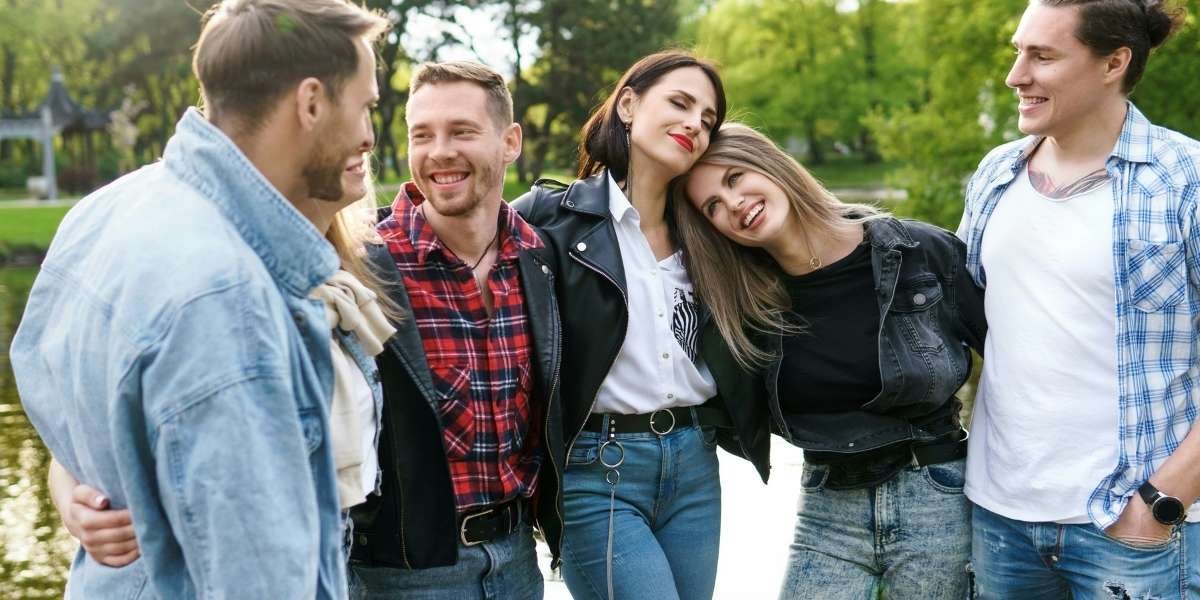
This isn’t about isolation, it’s about connection. Intentional living is fueling a return to community, whether through neighborhood co-ops, artist collectives, or local volunteer groups. It’s about creating space for conversations that matter, not just small talk over cocktails.
Even housing choices reflect this shift. Some residents are downsizing to live closer to nature or community. Others are choosing co-living spaces that prioritize shared values and intentional design. The common thread? A desire to live on purpose, not autopilot.
Living with Intention Is Reshaping the City’s Culture
At its core, living with intention in San Francisco is about designing a life that feels meaningful. It’s about asking better questions: What energizes me? What drains me? What am I building, and why?
That mindset is showing up in how people choose careers, commutes, and creative projects. Some are trading long tech hours for mission-driven startups. Others are launching wellness collectives, art spaces, or community gardens. The city’s culture is shifting, from reactive to reflective.
And in a place that’s always been a few steps ahead, culturally, technologically, spiritually, that shift feels less like a trend and more like a return to something essential. Living with intention isn’t just a personal choice, it’s becoming a collective movement, reshaping how San Francisco thinks, feels, and leads.


