










Property management in San Francisco has become a cornerstone of the city’s evolving rental market. As demand for housing continues to shift and the real estate landscape adapts to new economic and social pressures, property management professionals are playing a more visible and strategic role in shaping tenant experiences, building operations, and long-term planning.
Why Property Management Is Central to San Francisco’s Housing Ecosystem
In a city known for its high-density living and competitive rental prices, property management is no longer a background function. It serves as the operational backbone for residential buildings, mixed-use developments, and adaptive reuse projects. Property managers are responsible for maintaining livability, ensuring compliance, and balancing the needs of both tenants and property owners.
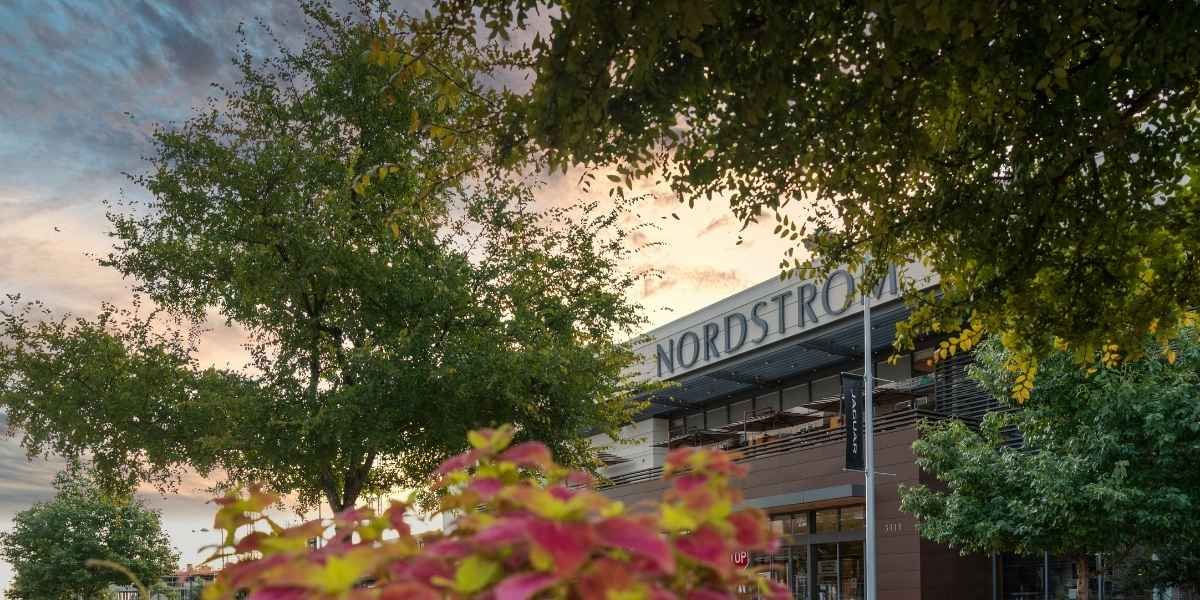
As San Francisco continues to repurpose commercial spaces into residential units, property management teams are increasingly involved in overseeing buildings that were not originally designed for long-term occupancy. This transition has introduced new complexities, from retrofitting amenities to managing shared spaces. A closer look at this trend is available in this report on converting office buildings into mixed-use spaces, which highlights how property management adapts to changing infrastructure.
Balancing Tenant Satisfaction and Owner Expectations
Property management professionals operate at the intersection of tenant experience and owner priorities. In San Francisco’s rental market, where competition is high and turnover can be costly, retaining tenants often depends on the quality of property management. Timely maintenance, clear communication, and fair lease practices contribute to tenant satisfaction and long-term occupancy.
Owners, meanwhile, rely on property managers to ensure profitability, legal compliance, and operational efficiency. This includes budgeting for repairs, coordinating inspections, and navigating local regulations. The ability to balance these interests requires not only technical expertise but also interpersonal skills, especially when resolving disputes or managing sensitive situations.
Technology’s Expanding Role in Property Management
Digital platforms have transformed property management operations across San Francisco. Online portals for rent payments, maintenance requests, and lease renewals have streamlined processes and improved transparency. These tools allow property managers to respond quickly, track performance metrics, and maintain detailed records.
Artificial intelligence is also beginning to influence property management workflows. Predictive maintenance, automated leasing, and smart building systems are becoming more common, especially in newer developments. The broader impact of AI on commercial and residential real estate is explored in this analysis of AI’s role in property operations, which outlines how innovation is reshaping the industry.
While technology enhances efficiency, it also requires thoughtful implementation. Not all tenants are comfortable with app-based communication, and some prefer traditional methods. Property managers must balance automation with accessibility, ensuring that digital tools support, not replace, human connection.
Navigating San Francisco’s Regulatory Landscape
San Francisco’s rental market is governed by a complex web of local ordinances, state laws, and tenant protections. Property management teams must stay informed about rent control policies, eviction procedures, and building codes. Missteps can lead to legal challenges, reputational damage, or financial penalties.
Recent legislation around energy efficiency, accessibility, and emergency preparedness has added new layers of responsibility. Property managers are often tasked with coordinating upgrades, maintaining compliance documentation, and educating tenants and owners about their rights and obligations. Their role as regulatory stewards is essential to maintaining trust and stability in the rental market.
The Human Side of Property Management
Beyond logistics and legalities, property management in San Francisco involves a deep understanding of human behavior. Tenants bring diverse backgrounds, expectations, and lifestyles to shared spaces. Property managers must foster environments that feel safe, respectful, and inclusive.

Photo Credit: Unsplash.com
This work often includes conflict resolution, cultural sensitivity, and community-building. Whether managing a historic Victorian in the Mission or a luxury high-rise in SoMa, property managers are responsible for creating a sense of belonging while maintaining order. Their ability to listen, adapt, and respond can shape the overall experience of living in the city.
In buildings with mixed-use layouts, where residential units sit above retail or office spaces, property management becomes even more nuanced. Coordinating between different types of occupants requires flexibility and clear communication, especially when noise, access, or shared resources are involved.
Sustainability and Long-Term Planning
Sustainability has become a growing priority in San Francisco’s rental market. Property management teams are increasingly involved in implementing green initiatives, from energy-efficient lighting to composting programs. These efforts not only reduce environmental impact but also appeal to tenants who value eco-conscious living.
Long-term planning is another key responsibility. Property managers must anticipate capital improvements, budget for repairs, and assess the lifecycle of building systems. Strategic foresight helps prevent emergencies and ensures that properties remain competitive in a crowded market.
Some teams collaborate with architects, engineers, and city planners to align building upgrades with broader urban goals. This integrated approach reflects a shift in property management from reactive maintenance to proactive stewardship.
Challenges Unique to San Francisco
San Francisco’s geography, climate, and cultural dynamics present unique challenges for property management. Earthquake preparedness, fog-related moisture issues, and steep terrain all influence how buildings are maintained and accessed. Managers must account for these factors when planning repairs, upgrades, or emergency protocols.
The city’s economic volatility also affects tenant turnover and rent stability. Tech booms, policy shifts, and global events can quickly change demand patterns. Property management teams must remain agile, adjusting strategies to meet evolving conditions without compromising service quality.
Public perception plays a role as well. In a city where housing equity is a hot-button issue, property managers are often viewed as gatekeepers. Their actions can influence how buildings are seen by the community, making transparency and fairness essential.
Why Property Management Is Essential to the Rental Market’s Future
Property management is no longer a background function, it’s a central pillar of San Francisco’s rental market. It shapes tenant experiences, supports owner goals, and ensures that buildings operate smoothly in a complex urban environment. As the city continues to evolve, the role of property management will only grow in importance.
Whether overseeing a historic building or a newly converted mixed-use space, property managers are responsible for more than just bricks and mortar. They manage relationships, expectations, and the daily realities of urban living. Their work reflects the city’s values, challenges, and aspirations, making them key players in shaping San Francisco’s future.


