Life Sciences Real Estate Faces Challenges in San Francisco

San Francisco’s life sciences real estate market, once a cornerstone of commercial growth, is now facing mounting pressure. The sector, which saw rapid expansion during the pandemic-era biotech boom, is grappling with a sharp rise in vacancies and a slowdown in tenant demand. According to recent market data, the Bay Area closed Q3 2025 with a staggering 32.8% vacancy rate and negative net absorption of 194,000 square feet, a signal that the once-thriving lab space market is entering a period of recalibration.

This downturn is being driven by a mix of economic and operational shifts. Venture capital funding for biotech startups has tightened, forcing many early-stage companies to scale back or delay expansion plans. Larger firms, meanwhile, are reevaluating their real estate footprints in light of hybrid work models and evolving research needs. The result is a surplus of high-spec lab space that’s struggling to attract long-term tenants, especially in competitive submarkets like South San Francisco and Mission Bay.

Developers are feeling the strain as well. Many invested heavily in state-of-the-art facilities designed for rapid growth, only to find that demand has cooled. Leasing timelines are stretching, and incentives are rising as landlords compete for a shrinking pool of qualified tenants. Some are pivoting toward flexible layouts and shorter lease terms, hoping to appeal to companies that prioritize agility over square footage. Others are exploring conversions, turning lab space into mixed-use environments that blend research, office, and amenity zones.

Despite the challenges, industry leaders remain cautiously optimistic. San Francisco’s proximity to top-tier universities, research institutions, and a deep talent pool still makes it a prime location for life sciences innovation. But the real estate strategy must evolve. Success in this new climate will depend on adaptability, from how space is designed to how deals are structured. For developers, brokers, and biotech executives alike, the message is clear: the rules of engagement have changed, and the next phase of growth will require a more flexible, forward-thinking approach.

Funding Challenges and Market Saturation

San Francisco’s life sciences real estate sector is facing a critical inflection point. Once buoyed by aggressive venture capital and pandemic-era urgency, the market is now contending with a more selective funding environment. Biotech startups that previously secured multimillion-dollar rounds are now navigating longer fundraising cycles, tighter investor scrutiny, and shifting priorities. Many VCs are redirecting capital toward AI-driven health tech and scalable platforms, leaving traditional wet lab tenants with fewer options, and developers with more vacant space.

This funding pullback is colliding with a wave of overdevelopment. In anticipation of continued growth, developers delivered millions of square feet of high-spec lab space across South San Francisco, Mission Bay, and the Peninsula. But with fewer tenants ready to commit, vacancy rates are climbing and absorption is stalling. The result is a saturated market where landlords are offering steep concessions, flexible lease terms, and buildout incentives just to stay competitive. It’s a sharp contrast to the frenzied leasing activity seen just two years ago.

Life Sciences Real Estate Faces Challenges in San Francisco

Photo Credit: Unsplash.com

The shift is also prompting a strategic rethink in how life sciences space is designed and marketed. Developers are exploring modular layouts, hybrid lab-office configurations, and shorter lease cycles to appeal to leaner, more agile companies. Some are even considering co-working models for biotech, offering shared lab infrastructure and flexible memberships to accommodate early-stage firms. These adaptations mirror broader trends in San Francisco’s commercial market, where AI innovation and hybrid work are reshaping demand, as covered in this feature on AI salaries and return-to-office dynamics.

AI’s Influence on Commercial Real Estate Strategy

Artificial intelligence is rapidly reshaping the life sciences sector, and its impact on commercial real estate in San Francisco is impossible to ignore. As biotech and health tech firms integrate AI into everything from diagnostics to drug discovery, their operational needs are changing. These companies no longer require sprawling lab footprints; instead, they’re prioritizing smarter, more efficient spaces that support automation, data processing, and hybrid workflows. This shift is forcing developers to rethink how buildings are designed, leased, and marketed.

The demand for AI-ready infrastructure is growing. Tenants are asking for enhanced connectivity, modular layouts, and energy-efficient systems that can support high-performance computing and real-time collaboration. Traditional lab spaces, built for analog workflows, are struggling to meet these expectations. New developments must now compete on flexibility, tech integration, and speed to market, not just square footage. As covered in this feature on the impact of AI on commercial real estate, the race to modernize is well underway.

This evolution is also changing the leasing conversation. Tenants want more than space, they want strategic partnerships. Developers who can offer adaptive buildouts, shared infrastructure, and data-driven amenities are gaining traction. Meanwhile, brokers are being asked to understand not just location and cost, but how a property supports innovation. In San Francisco’s competitive market, the ability to speak the language of AI is becoming a differentiator for real estate professionals.

What Comes Next for Life Sciences Real Estate

Despite current headwinds, San Francisco’s life sciences real estate market still holds long-term promise. The region’s talent pool, academic institutions, and proximity to venture capital remain unmatched. But success will depend on how well developers, investors, and tenants respond to shifting dynamics. Expect to see more conversions, strategic partnerships, and creative leasing models as the market seeks equilibrium.

In a city known for reinvention, the life sciences sector is entering a new phase, one that demands flexibility, foresight, and a willingness to rethink the blueprint. Real estate may be facing challenges, but the opportunity to build smarter, leaner, and more resilient spaces is very much alive.


Self-Help Practices to Support Personal Growth and Empowerment

In San Francisco, self-help practices have moved from niche to necessary. What was once considered a personal hobby or weekend retreat has become a daily ritual for thousands across the Bay Area. From mindfulness apps to guided journaling, residents are integrating self-help into their routines with intention and enthusiasm. The city’s culture of innovation and introspection makes it a natural incubator for wellness trends that prioritize emotional clarity, resilience, and personal growth.

This shift is visible in how San Franciscans approach their mornings, commutes, and workdays. Breathwork before Zoom calls, midday meditation in co-working lounges, and evening gratitude journaling are becoming the norm. Local bookstores report rising demand for titles on habit formation, emotional intelligence, and self-compassion. Meanwhile, wellness studios and digital platforms are offering hybrid programs that blend coaching, community, and content, all designed to help individuals navigate life with more agency and less overwhelm.

The popularity of self-help practices also reflects a broader cultural response to burnout and overstimulation. In a city known for its hustle, residents are seeking ways to slow down without losing momentum. Self-help offers that balance, a way to stay ambitious while remaining grounded. Whether it’s setting boundaries, practicing digital detox, or learning to say no, these tools are helping people reclaim control in a world that often feels chaotic.

Workplace Wellness Is Driving the Shift

One of the most influential environments for self-help practices is the workplace. In San Francisco’s tech and creative sectors, employees are increasingly turning to wellness strategies to manage stress, prevent burnout, and stay emotionally balanced. The rise of remote work and hybrid schedules has made it easier to integrate self-help routines into daily life, but it’s also blurred boundaries between personal and professional time.

As explored in this feature on constant check-ins at work, the pressure to be “always on” has led many professionals to adopt mindfulness, breathwork, and digital detox routines. These practices help individuals reclaim focus, reduce anxiety, and improve communication. Employers are beginning to recognize that empowered employees, those who feel in control of their time and mental space, are more creative, collaborative, and resilient.

Nutrition Is Becoming a Self-Help Strategy

In San Francisco, food is more than fuel, it’s a wellness tool. Functional foods, adaptogens, and plant-based diets are gaining traction as part of broader self-help practices. Residents are turning to nutrition not just for physical health, but for emotional clarity and sustained energy. Smoothies with maca, teas with ashwagandha, and meals designed to support gut health are now staples in many households.

The city’s embrace of functional foods reflects a growing understanding that what people eat affects how they feel, think, and perform. Self-help practices now include meal planning, mindful eating, and supplement routines tailored to individual needs. This holistic approach to wellness, where food, mood, and focus are interconnected, is helping San Franciscans build sustainable habits that support long-term growth.

Emotional Resilience Is the New Currency

Self-help practices in San Francisco are increasingly focused on emotional resilience. In a city known for innovation and disruption, the ability to bounce back from setbacks is essential. Practices such as cognitive reframing, gratitude journaling, and self-compassion exercises are helping individuals navigate uncertainty with grace and grit.

According to experts in personal growth, emotional resilience begins with recognizing one’s own capacity for change. When individuals learn to challenge negative thoughts, set realistic goals, and celebrate progress, they build a mindset that supports empowerment. These practices are especially relevant during life transitions, whether starting a new job, ending a relationship, or launching a business. In San Francisco, where ambition runs high, emotional resilience is becoming a key ingredient for success. 

Community and Connection Amplify Growth

While self-help practices often begin as solo journeys, many San Franciscans are finding strength in community. Group meditation sessions, wellness workshops, and peer-led coaching circles are creating spaces where individuals can share experiences, offer support, and learn from one another. These gatherings foster accountability and deepen the impact of personal growth strategies.

Local organizations and co-working spaces are also hosting events that blend self-help with networking, allowing professionals to connect over shared values and goals. This fusion of personal development and community engagement reflects San Francisco’s unique culture: one that values both individual empowerment and collective progress.

Technology Is Personalizing the Journey

San Francisco’s tech-forward mindset is influencing how self-help practices are delivered and tracked. Apps for habit-building, mood tracking, and guided reflection are helping residents stay consistent and motivated. AI-powered platforms are offering personalized recommendations based on user behavior, making self-help more accessible and data-driven.

Self-Help Practices to Support Personal Growth and Empowerment

Photo Credit: Unsplash.com

Wearables and smart devices are also becoming integral to self-help strategies. From sleep monitors that track recovery to stress sensors that prompt breathwork, technology is helping users understand their bodies and minds with greater precision. These insights allow individuals to adjust their routines, set realistic goals, and celebrate progress in tangible ways. In a city that thrives on data and optimization, tech-enabled self-help is not just a trend, it’s a lifestyle.

What sets San Francisco apart is its embrace of tech that empowers rather than overwhelms. Local startups are designing platforms that prioritize emotional intelligence, user autonomy, and community connection. Whether it’s a journaling app that adapts to mood patterns or a virtual coach that offers personalized encouragement, the city’s tech ecosystem is building tools that reflect the human side of personal growth. For Bay Area residents, technology isn’t replacing self-help, it’s amplifying it.

The Future of Self-Help in San Francisco

As self-help practices continue to evolve, San Francisco remains at the forefront of the movement. The city’s blend of wellness culture, entrepreneurial energy, and social consciousness creates a unique environment for personal growth. Residents are not just seeking improvement, they’re building lifestyles that reflect empowerment, authenticity, and purpose.

Whether through mindfulness, nutrition, emotional resilience, or tech-enabled routines, self-help practices are helping San Franciscans navigate complexity with clarity. In a world that demands adaptability, these strategies offer a roadmap for thriving, not just surviving.

Exploring the Lively Music Scene in San Francisco

The music scene in San Francisco continues to evolve as one of the city’s most vibrant and culturally rich expressions. From historic venues to underground pop-ups, the Bay Area’s sonic landscape reflects a community that thrives on creativity, experimentation, and connection. Artists, producers, and fans alike are shaping a new era of sound, one that blends legacy with innovation and celebrates the city’s diverse cultural roots.

In 2025, San Francisco’s music scene is experiencing a renaissance. The relocation of Blue Note Napa to the city has sparked renewed interest in live performance spaces. Known for hosting legends such as Carlos Santana and Kenny G, the club’s move downtown is more than symbolic, it represents a commitment to elevating the city’s infrastructure for jazz, soul, and genre-defying acts. The supper-club format, paired with high-end acoustics and intimate seating, offers a new kind of experience for both local and touring artists.

Legacy Meets Innovation in SF’s Music Venues

San Francisco’s music venues have long been cultural landmarks, but many are now being reimagined for a new generation. The revival of Mabuhay Gardens, once a cornerstone of the city’s punk movement, is a standout example. Located at the intersection of North Beach and Chinatown, the venue originally hosted acts like the Dead Kennedys and Patti Smith. Today, it’s being reintroduced with a modern twist, blending its rebellious history with contemporary sound design and inclusive programming.

Other iconic venues such as The Fillmore, The Independent, and The Chapel continue to anchor the city’s live music calendar. These spaces offer a rotating lineup of soul, funk, electronic, and folk performances, often spotlighting emerging Bay Area talent. As highlighted in the San Francisco Post’s feature on independent artists, these venues play a crucial role in supporting musicians who operate outside traditional label systems. The city’s DIY ethos remains strong, and it’s reshaping how music is produced, promoted, and performed.

Youth Culture and Genre Fluidity Are Driving the Scene

San Francisco’s music scene is increasingly shaped by youth culture and genre fluidity. Artists are no longer confined to single categories, instead, they blend hip-hop with jazz, EDM with spoken word, and classical with trap. This fusion reflects a broader cultural shift, where identity and expression are fluid, and music becomes a tool for storytelling, activism, and community building.

Local stages are also embracing modern musicals that speak directly to younger audiences. Productions now tackle themes such as climate anxiety, digital identity, and social justice, offering performances that resonate beyond entertainment. As explored in the San Francisco Post’s coverage of modern musicals and youth culture, these shows are drawing new crowds into the city’s theater and music spaces. They serve as cultural conversations, amplifying voices that are often underrepresented in mainstream media.

Festivals, Pop-Ups, and the Rise of the Hybrid Artist

Beyond traditional venues, San Francisco’s music scene thrives in unconventional spaces. Rooftop performances, warehouse pop-ups, and street-level showcases are redefining how live music is experienced. Events like Outside Lands, Hardly Strictly Bluegrass, and Noise Pop continue to attract national attention, but it’s the hyper-local festivals that are driving innovation. These gatherings often feature food trucks, projection art, and immersive installations, all built around performances that feel personal and community-driven.

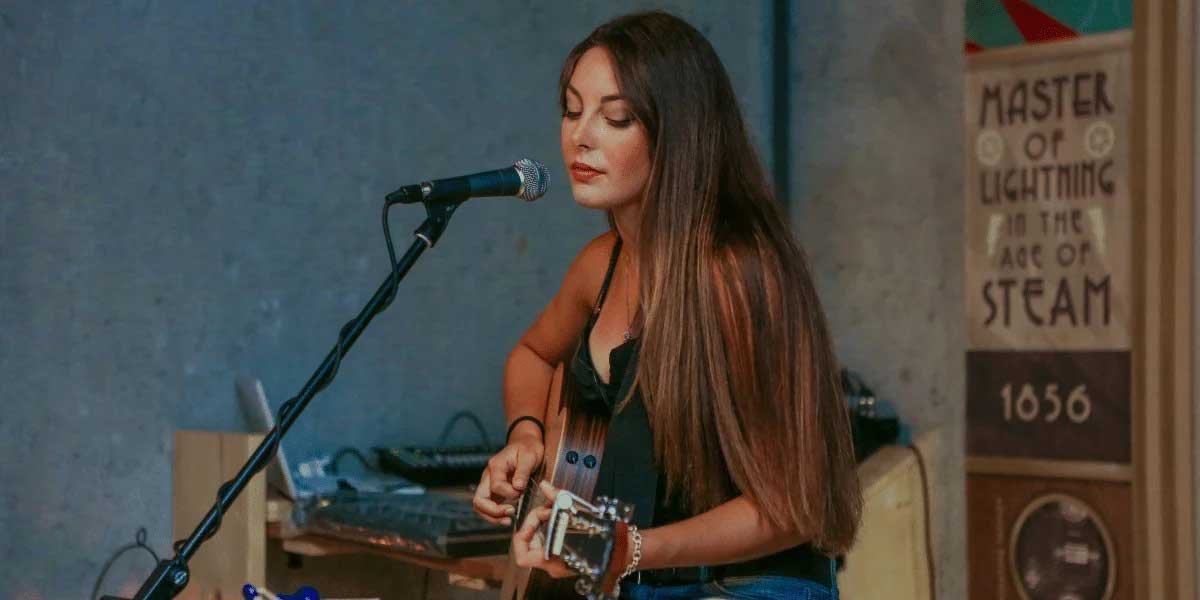
Exploring the Lively Music Scene in San Francisco

Photo Credit: Unsplash.com

The city is also witnessing the rise of the hybrid artist: musicians who double as visual artists, activists, or tech entrepreneurs. These creatives use platforms such as TikTok, Bandcamp, and Patreon to build audiences, fund projects, and collaborate across disciplines. This model aligns perfectly with San Francisco’s entrepreneurial spirit, where innovation is not only encouraged but expected. Hybrid artists are redefining what it means to be a musician in the Bay Area, blending sound, story, and strategy into a single creative identity.

Neighborhoods That Shape the Sound

Each neighborhood in San Francisco contributes a distinct flavor to the city’s music scene. The Mission District pulses with Latin rhythms and indie rock, while SoMa offers a hub for electronic and experimental sounds. Hayes Valley continues to be a destination for jazz and acoustic sets, often hosted in intimate lounges and boutique venues. Bernal Heights and the Outer Sunset are emerging as spaces for grassroots performances, where artists connect directly with local audiences.

These neighborhood-based scenes foster collaboration and authenticity. Musicians often perform alongside poets, dancers, and visual artists, creating multidisciplinary events that reflect the city’s cultural diversity. The Bay Area’s history of activism and artistic expression is deeply embedded in these performances, making each show not just a concert, but a community experience.

Technology’s Role in Shaping the Scene

Technology plays a pivotal role in how San Francisco’s music scene operates and evolves. From blockchain-based ticketing systems to AI-assisted production tools, artists and venues are leveraging innovation to streamline operations and enhance audience engagement. Livestreaming has become a staple, allowing fans to tune into performances from anywhere in the world, while still supporting local talent.

Startups focused on music tech are also finding fertile ground in the Bay Area. Companies developing tools for collaboration, monetization, and fan interaction are partnering with local artists to test new models. This synergy between tech and music reflects the city’s unique position as both a creative and technological hub. It’s not just about sound, it’s about systems that support sustainable artistry.

The Bay Area’s Soundtrack Is Still Being Written

San Francisco’s music scene is not static, it’s a constantly evolving soundtrack to the city’s identity. As new venues open, old ones return, and artists continue to experiment, the Bay Area remains one of the most exciting places in the country to experience live music. It’s not just about what’s trending, it’s about what’s next.

Whether it’s a jazz set in Hayes Valley, house beats in the Tenderloin, or an indie showcase in Bernal Heights, the city offers a sonic journey that’s as layered and unpredictable as San Francisco itself. For residents and visitors alike, the music scene serves as a reminder that creativity, community, and culture are always in motion, and always in tune.