







San Francisco’s music scene is adapting and thriving in early 2026, with a variety of live performances, festival activity, and renewed interest in performance spaces across the city. After a period of change throughout 2025, the Bay Area’s cultural calendar is active with events drawing both local audiences and visitors. Music festivals and programming efforts are underscoring the city’s ongoing role as a center for live music and artistic expression.
The city’s annual Noise Pop Festival is underway, featuring performances by more than 150 bands across multiple venues throughout San Francisco. This edition of the festival is especially notable as it coincides with the planned closure of a long-standing local club that has been central to the event’s history, illustrating both continuity and change within the region’s performance landscape. Noise Pop’s multi-venue format continues to provide a platform for emerging artists and a wide range of musical styles across neighborhoods.
At the same time, SF Music Week has returned for a second year, bringing together industry summits, workshops, and live performances spread across the city. Announced by city leadership as part of broader efforts to spotlight San Francisco’s music culture, the week’s programming is designed to connect artists, industry professionals, and audiences through multiple live events.
Longstanding Festivals and Events Drive the City’s Music Culture
San Francisco continues to be home to vibrant festivals, which have played an integral role in the city’s music culture. Established festivals like the Noise Pop Festival and Hardly Strictly Bluegrass remain a staple, attracting a range of artists and music lovers from all over. These festivals, known for their eclectic lineups and community feel, serve as gathering points for fans of various genres, from indie to folk and beyond.
Smaller, local festivals and events also continue to thrive, giving local artists the opportunity to perform for their communities and offering a platform for innovative programming. These events are often hosted in unconventional spaces, such as neighborhood parks, local clubs, and even rooftops, reflecting the city’s dynamic and ever-evolving music scene.
Music Venues: A New Era of Performance Spaces
San Francisco’s live music venues remain integral to the city’s culture. Venues like The Fillmore and The Independent continue to host performances that represent a range of musical acts. These venues remain staples in the San Francisco music scene, offering a diverse array of performances, from touring artists to emerging talent.
Some of these venues are also undergoing transformations, reimagining their role in the current music landscape while preserving their historical significance. This evolution reflects the city’s ongoing commitment to fostering musical expression while keeping space for innovation. By blending the old with the new, these venues continue to play a critical role in shaping San Francisco’s live music calendar.
The Impact of Technology on Live Music in San Francisco
Technology continues to influence how live music is presented and experienced in San Francisco. Artists, promoters, and venues are increasingly using digital tools to streamline operations and engage with audiences. Innovations in live streaming and ticketing are making it easier for fans to experience shows remotely, while artists benefit from increased exposure through online platforms.
Music tech companies based in the Bay Area also contribute to the scene by offering tools that help artists collaborate, promote their work, and interact with fans. These advancements allow for greater flexibility and reach, as musicians and venues work together to adapt to shifting consumer behaviors and technological developments in the music industry.
San Francisco’s Music Community: A Collaborative Culture
San Francisco has long been known for its collaborative culture, where artists across different disciplines come together to create unique, multi-sensory experiences. This spirit continues to be evident in the city’s music scene, where musicians often collaborate with dancers, poets, and visual artists, creating immersive performances that push the boundaries of traditional live music shows.
Neighborhoods throughout the city contribute to this diverse culture. Areas such as the Mission, known for its vibrant Latin and indie music scene, and SoMa, which has become a hub for experimental and electronic music, showcase how San Francisco’s neighborhoods are crucial to its evolving soundscape. These areas not only host music performances but also foster a sense of community and collaboration among artists and fans alike.
Supporting Local Talent and Celebrating Diversity
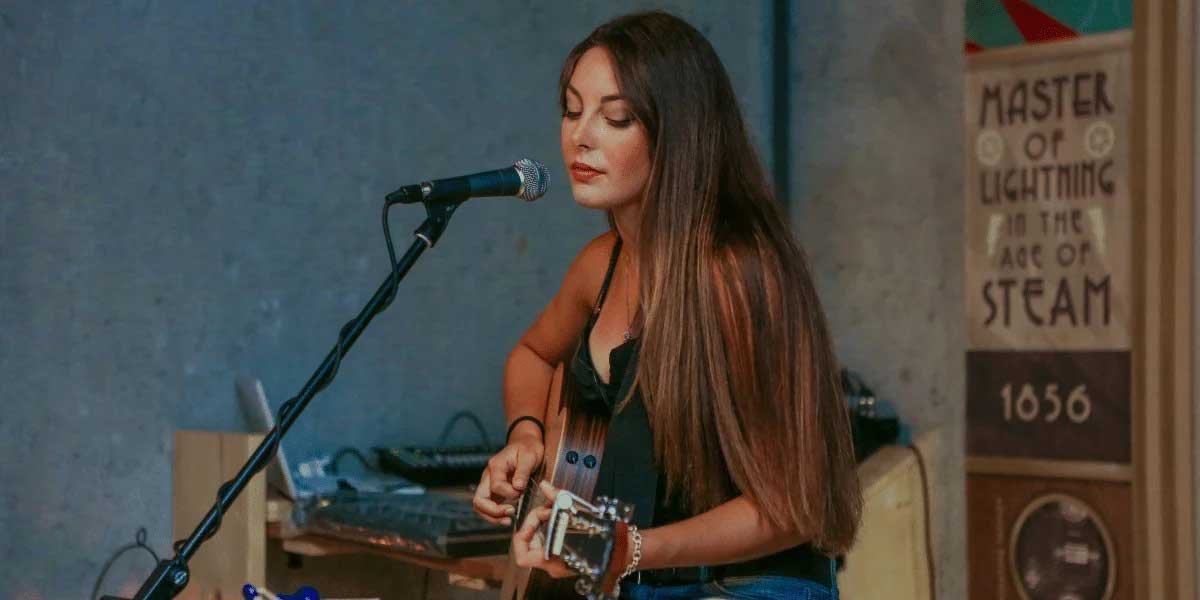
San Francisco’s music scene continues to be driven by a commitment to supporting local talent. Independent artists, who may not have the backing of traditional labels, are given the opportunity to perform at smaller venues or in unconventional spaces, where they can connect directly with their audiences. This DIY ethos remains an integral part of the city’s music identity, helping to support a diverse range of musical styles and genres.
At the same time, the city’s rich cultural history ensures that music in San Francisco remains reflective of its diversity. Whether it’s a jazz ensemble in Hayes Valley or an indie rock show in the Outer Mission, the city’s music scene offers something for everyone, making it an exciting and dynamic place for music lovers.


