










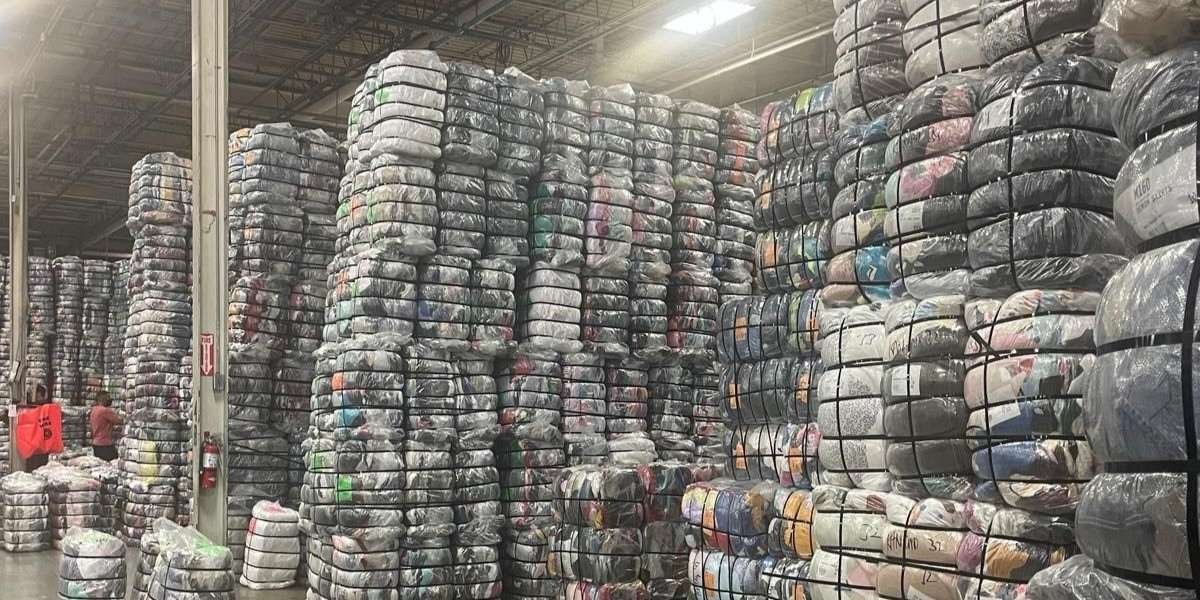
California’s Responsible Textile Recovery framework is reshaping how companies handle end-of-life textiles. Under SB 707, brands can no longer rely on broad recycling claims or informal disposal arrangements. They will be required to document exactly where textiles go and whether those pathways meet circular recovery standards.
For many organizations, this represents more than a compliance update. It marks a structural shift in how textile waste is categorized, tracked, and verified. Traditional recycling methods often down-cycle textiles into rags, insulation, or low-value industrial materials. While these approaches may reduce landfill volume, they may not meet SB 707’s definition of circularity and might not qualify toward recovery targets when enforcement begins in 2028.
This distinction is critical. Under the new framework, diversion alone may no longer be enough. Brands must demonstrate that materials are reintroduced into productive use in a manner consistent with circular economy principles. That means documented textile-to-textile recovery, not just material displacement into secondary markets.
As a result, compliance, sustainability, procurement, and risk management teams are being encouraged to collaborate more closely than ever before. Textile disposal is no longer treated as a back-end operational function. It is increasingly viewed as a board-level compliance issue with financial, reputational, and regulatory implications.
Beyond regulatory compliance, companies face another growing concern: recirculation risk. When uniforms, samples, excess inventory, or defective merchandise are not destroyed properly, they may reappear on resale platforms, in gray markets, or worn by individuals falsely representing affiliation with a brand. This exposes organizations to reputational harm, fraud risk, internal security concerns, and potential legal liabilities.
Many brands historically relied on third-party recyclers without full visibility into final disposition. In an environment where ESG scrutiny is intensifying and enforcement timelines are clear, assumptions may no longer be defensible. Organizations are now asking more detailed questions: Where exactly do materials go? Is there documented proof of destruction? Does the recovery method align with statutory definitions of circularity?
Vespene Recycling was developed to address both regulatory compliance and brand protection concerns. The Nevada-based facility specializes in certified textile destruction, using industrial shredding processes designed to render branded goods permanently unwearable. This helps ensure that products are fully removed from circulation and cannot be resold, repurposed informally, or misused.
What differentiates Vespene’s approach is traceability. Each project includes a documented chain-of-custody from pickup through final disposition, along with certificates of destruction suitable for audits, internal control verification, and regulatory reporting. For compliance teams, this level of documentation transforms disposal from an assumption-based process into a defensible control mechanism.
Traceability is becoming increasingly important as regulatory scrutiny grows. Under SB 707, organizations will need to demonstrate measurable progress toward recovery targets. Vague sustainability language or generalized recycling claims may not withstand regulatory review. Documented processes, verifiable pathways, and auditable records will define compliance.
When brands pursue circular recovery objectives, shredded material can be directed into a verified textile-to-textile recycling pathway through The New Denim Project in Guatemala. Unlike traditional down-cycling, this process produces new fabric, supporting true material regeneration rather than degradation. Importantly, the pathway includes documentation aligned with SB 707 recovery requirements and broader ESG reporting standards.
The shift toward documented destruction and circular recovery also reflects broader market pressures. Investors are increasingly evaluating sustainability disclosures. Consumers are scrutinizing green claims. Regulators are signaling stronger enforcement across environmental reporting categories. In this context, disposal practices that once seemed adequate now present reputational exposure.
California has historically led environmental regulatory trends that later expand nationally. Brands operating within the state recognize that SB 707 may signal broader changes across other jurisdictions. Proactively strengthening textile disposal practices today may reduce future compliance disruption elsewhere.
As enforcement approaches, companies are reassessing legacy disposal arrangements that relied on limited oversight. The emerging consensus is clear: certified destruction paired with documented circular recovery offers the most reliable strategy for meeting regulatory obligations while protecting brand integrity.
Textile waste is no longer simply a sustainability talking point. It is becoming a measurable compliance category with defined standards and enforcement timelines. Organizations that adapt early may be better positioned to manage risk, demonstrate accountability, and align with evolving circular economy expectations.
In California’s new regulatory landscape, the question is no longer whether textiles are diverted from landfill. The question is whether brands can demonstrate, with documentation and transparency, exactly what happens next.


