








San Francisco hospitals are expanding age-friendly emergency care to better address the medical, cognitive and mobility needs of patients aged 65 and older. UCSF Medical Center, Zuckerberg San Francisco General Hospital and Kaiser Permanente San Francisco Medical Center hold geriatric emergency department accreditation, reflecting specialized approaches to assessing and supporting older adults during emergency treatment.
Key Takeaways
- Three major San Francisco medical centers hold geriatric emergency department accreditation
- UCSF Medical Center provides specialized assessments and support services for emergency patients aged 65 and older
- Some older patients receive noise-canceling headphones and music to help manage anxiety during emergency visits
- Geriatric assessments address cognitive impairment, mobility challenges and additional care needs
- A long-range population projection estimates that residents aged 80 and older could represent approximately 16% of San Francisco’s population by 2060
San Francisco Hospitals Introduce Age-Friendly Emergency Care Services
Emergency departments at UCSF Medical Center, Zuckerberg San Francisco General Hospital and Kaiser Permanente San Francisco Medical Center have adopted specialized approaches to caring for older patients. These services recognize that emergency treatment for older adults may involve additional considerations related to mobility, memory, communication and ongoing healthcare needs.
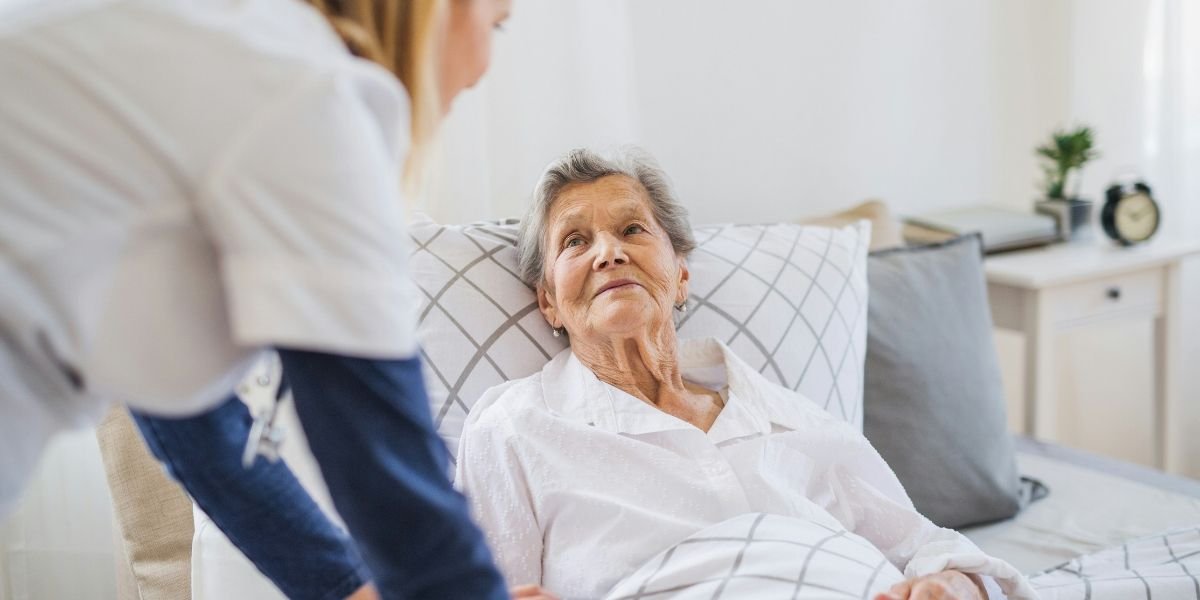
Age-friendly emergency care extends beyond immediate treatment for injuries or illnesses. Medical professionals may conduct geriatric assessments, evaluate cognitive and physical limitations, and coordinate additional support when patients require assistance during their hospital visit or after discharge.
Providing these services requires trained healthcare professionals and coordinated hospital resources. These efforts are part of a broader regional healthcare landscape where funding for public hospitals and clinics remains important to maintaining access to medical services.
The three accredited medical centers serve patients through different healthcare systems, but their approaches share an emphasis on identifying age-related concerns that may affect emergency treatment. By incorporating additional assessments and support services, hospitals can address needs that might not be apparent from a patient’s immediate symptoms alone.
UCSF Medical Center Expands Specialized Support for Older Patients
UCSF Medical Center operates an age-friendly emergency department that provides specialized assistance to patients aged 65 and older. Its approach incorporates geriatric assessments, social-work assistance and services designed to address challenges that older adults may experience during emergency visits.
One component focuses on reducing anxiety in the emergency department. Some older patients receive noise-canceling headphones and access to music, offering a way to manage discomfort in an environment that can be noisy, unfamiliar and stressful.
These measures are particularly relevant for patients experiencing cognitive difficulties or heightened anxiety. Although they do not replace medical treatment, comfort-focused interventions can help make the emergency department environment more manageable for patients who may be sensitive to surrounding activity.
UCSF’s approach also considers conditions that affect a patient’s ability to communicate, move independently or follow medical instructions. Geriatric assessments help clinicians identify these concerns and determine whether additional assistance is needed during treatment.
Social workers provide another layer of support by helping patients navigate circumstances beyond the immediate medical examination. Their involvement can include coordinating resources and addressing practical needs that may influence a patient’s transition from the emergency department.
Together, these services reflect a broader approach to emergency medicine that considers the patient’s physical condition, cognitive abilities and social circumstances.
Geriatric Assessments Address Cognitive and Mobility Needs
Geriatric emergency assessments help healthcare professionals evaluate health concerns that may be more common or consequential among older adults. These include mobility difficulties, cognitive impairment, communication challenges and circumstances that affect a patient’s ability to manage daily activities.
Mobility assessments can help identify patients who need assistance walking, transferring between locations or returning safely to their usual living environment. Cognitive assessments may reveal memory problems or difficulties understanding medical information, allowing healthcare teams to adapt their communication and support.
When medical concerns extend beyond emergency treatment, coordination with other services may also be necessary. Social workers can help patients and families navigate community resources, including access to behavioral healthcare when mental health or related support needs are identified.
Emergency departments can be especially challenging for patients who experience confusion, anxiety or sensory difficulties. Unfamiliar surroundings, medical procedures and prolonged waiting periods may contribute to distress, making additional support important for some older adults.
UCSF’s use of music and noise-canceling headphones provides one example of how hospitals are addressing the patient experience alongside clinical needs. These interventions complement geriatric assessments and other services intended to support older patients during emergency care.
San Francisco Medical Centers Receive Geriatric Emergency Accreditation
UCSF Medical Center, Zuckerberg San Francisco General Hospital and Kaiser Permanente San Francisco Medical Center hold geriatric emergency department accreditation, recognizing their adoption of specialized approaches to older-adult emergency care.
The American College of Emergency Physicians’ geriatric emergency department accreditation program evaluates participating facilities based on standards related to clinical processes, staffing, resources and care practices for older patients.
UCSF Medical Center provides age-friendly emergency services that include geriatric assessments and support from healthcare professionals trained to address older patients’ needs. Its approach emphasizes identifying medical and nonmedical concerns that may affect treatment and discharge planning.
Zuckerberg San Francisco General Hospital also operates an accredited age-friendly emergency department. As a major public hospital, it incorporates specialized geriatric care into emergency services for patients who may need additional assistance with cognitive, physical or social concerns.
Kaiser Permanente San Francisco Medical Center holds geriatric emergency department accreditation as well, extending these specialized care practices to another major healthcare provider in the city.
Although the institutions operate within different healthcare systems, their participation reflects a shared recognition that older patients may benefit from emergency care practices tailored to their circumstances.
Aging Population Figures Inform Local Healthcare Planning
San Francisco’s changing population demographics provide additional context for the development of specialized emergency services for older residents.
A long-range state population projection estimated that residents aged 80 and older could increase from approximately 5.6% of San Francisco’s population in 2020 to around 16% by 2060. The figures represent a demographic forecast rather than a current population count.
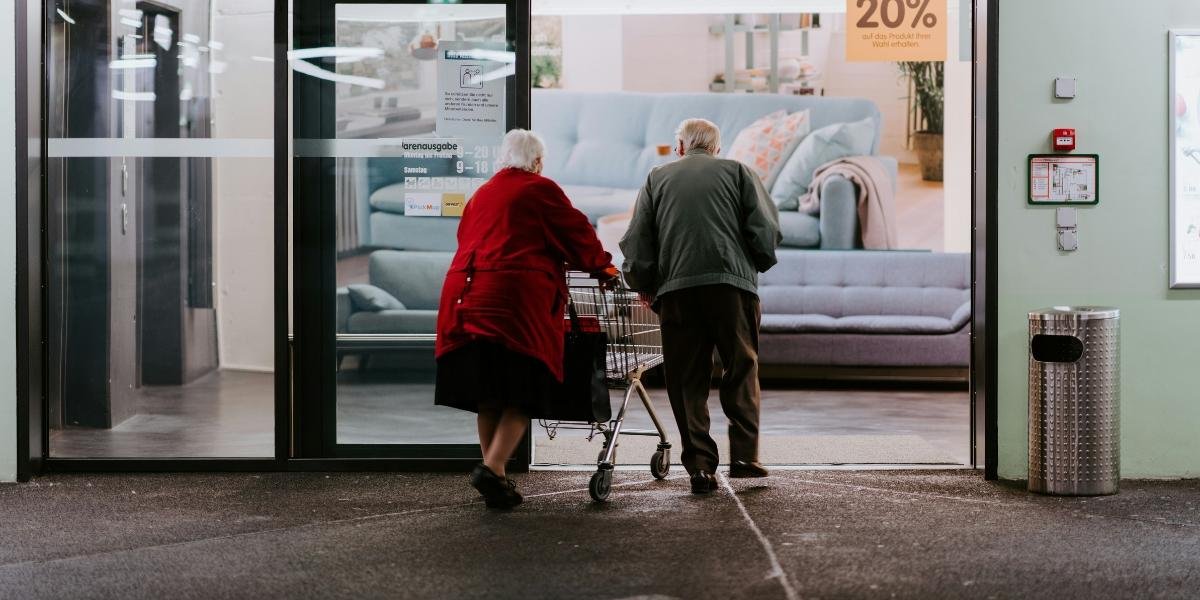
Photo Credit: Unsplash.com
An increasing proportion of older residents could influence demand for healthcare services that address age-related medical and functional needs. Emergency departments may encounter more patients requiring additional attention to mobility, cognition, medication management and discharge support.
Age-friendly emergency care offers one approach to addressing these considerations. Specialized assessments and coordinated services can help healthcare professionals evaluate patients whose physical and cognitive conditions require more individualized attention.
The accredited programs at UCSF Medical Center, Zuckerberg San Francisco General Hospital and Kaiser Permanente San Francisco Medical Center illustrate how local healthcare institutions are incorporating older-adult care practices into emergency treatment.
For older San Francisco residents and their families, these services provide additional support during emergency visits and help connect immediate medical treatment with broader care needs.
Frequently Asked Questions
Which San Francisco hospitals offer geriatric emergency care?
UCSF Medical Center, Zuckerberg San Francisco General Hospital and Kaiser Permanente San Francisco Medical Center hold geriatric emergency department accreditation. Each institution has adopted specialized approaches to emergency treatment for older adults.
What is an age-friendly emergency department?
An age-friendly emergency department incorporates care practices that address the medical, cognitive, mobility and social needs of older patients. Services may include geriatric assessments, specialized clinical support and assistance with discharge planning.
What services does UCSF provide for older emergency patients?
UCSF Medical Center offers geriatric assessments and social-work assistance. Some patients also receive noise-canceling headphones and music to help manage anxiety and discomfort during emergency visits.
How does geriatric emergency care address cognitive impairment and mobility difficulties?
Healthcare professionals use geriatric assessments to identify memory problems, communication difficulties and mobility limitations that may affect treatment. These findings help inform the additional assistance and support a patient may require.
Why is age-friendly emergency care becoming more relevant in San Francisco?
Population projections indicate that older adults could account for a larger share of San Francisco’s residents in the coming decades. Age-friendly emergency services help hospitals address medical and support needs associated with an aging population.


