







After years of remote work, San Francisco city workers are returning to their offices, and the shift is beginning to reshape the rhythm of downtown. The sidewalks are busier, the coffee lines are longer, and the familiar hum of weekday activity is slowly coming back. While the transition hasn’t been seamless for everyone, the presence of city employees is helping breathe life into a part of the city that had grown quiet.
Downtown San Francisco Feels the Impact of City Workers Returning
The return to office for San Francisco city workers is more than a change in commute, it’s a signal that downtown is regaining its footing. Office towers that once stood half-empty are seeing lights flicker on earlier in the morning. Public transit ridership is ticking upward, especially on lines that pass through the Civic Center and Financial District. Local businesses, many of which had scaled back hours or closed altogether, are adjusting to the renewed demand.
This shift is especially noticeable during the lunch hour. Sidewalks near government buildings are filling with people again, and food trucks that had disappeared are reappearing in familiar spots. While the volume isn’t quite what it used to be, the difference is clear. The presence of city workers is helping restore a sense of normalcy to downtown San Francisco.
The Return to Office Brings Mixed Emotions for City Employees
Not everyone is thrilled about the change. For many city workers, remote work had become a comfortable routine. It allowed for more flexibility, fewer hours spent commuting, and a quieter work environment. Returning to the office has meant adjusting schedules, navigating traffic, and re-engaging with the daily bustle of city life.
There’s also the emotional weight of leaving behind a home-based setup that felt safe and productive. Some workers have expressed frustration over the shift, especially those who had built new routines around remote work. It’s understandable, change can be exhausting, and the return to office doesn’t affect everyone equally. But even with those challenges, many are finding small moments of connection again, whether it’s chatting with a colleague in the elevator or grabbing coffee from a favorite spot.
Reviving Downtown San Francisco Requires More Than Just Foot Traffic
While the return of city workers is helping downtown recover, it’s not a complete fix. Office occupancy rates are still lower than they were before remote work became widespread. Many private companies continue to operate on hybrid schedules, and some have downsized their physical footprints altogether. That means fewer people overall, even with city employees back at their desks.
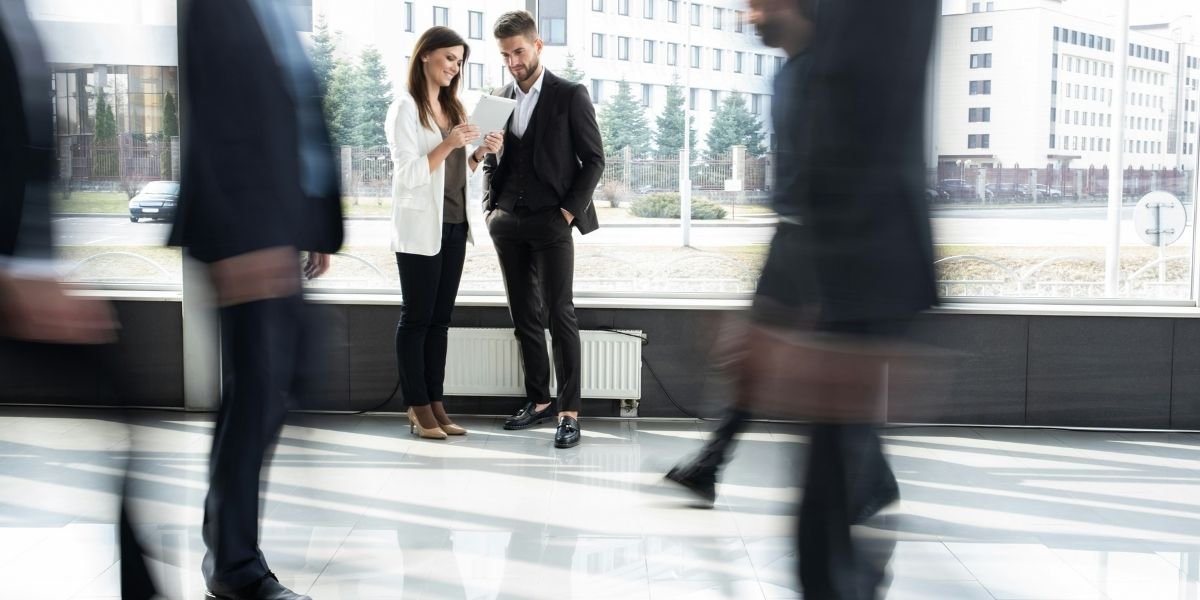
Photo Credit: Unsplash.com
Still, the presence of public workers offers a kind of stability. Their schedules are more predictable, and their offices are less likely to shift to permanent remote setups. That consistency helps nearby businesses plan better and gives transit agencies a clearer picture of demand. It also sends a message that downtown isn’t being abandoned, it’s being reactivated, one step at a time.
Transit and Local Business See Signs of Recovery
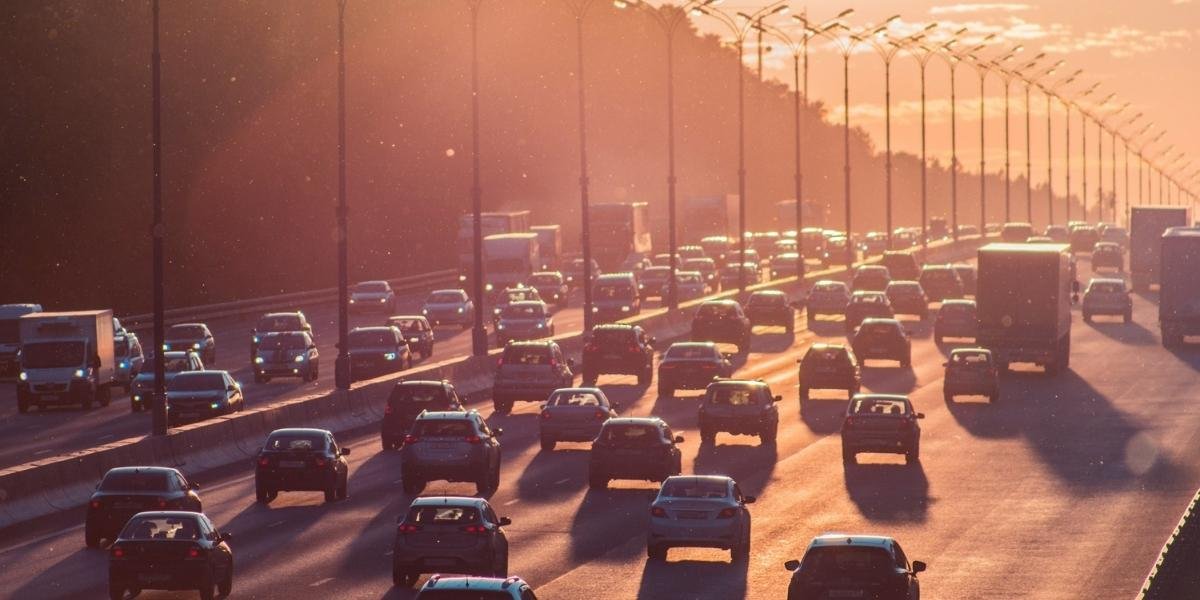
Public transportation is one of the first places where the return to office is being felt. Buses and trains that pass through downtown corridors are seeing more riders during peak hours. While ridership is still below pre-remote levels, the increase is steady. Transit officials are watching these patterns closely, adjusting service and staffing to meet the changing needs.
Local businesses are also responding. Cafés near government buildings are extending hours again, and some retail shops are reopening after long closures. The economic ripple effect of city workers returning is real, even if it’s modest. It’s not just about spending, it’s about presence. Having more people downtown creates a sense of movement and possibility, which can encourage others to return as well.
What the Return to Office Means for San Francisco
The return to office for San Francisco city workers is a reminder that downtown still matters. It’s a place where public service happens, where people gather, and where the city’s identity is shaped. While remote work offered many benefits, the physical presence of workers plays an important role in keeping the city’s core active and connected.
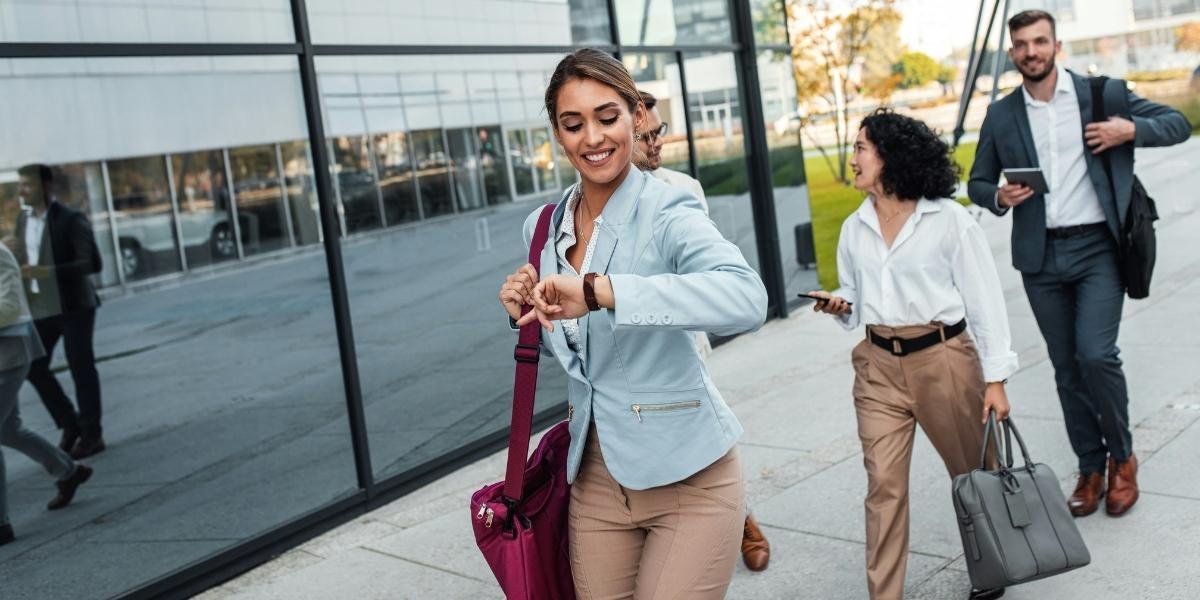
Photo Credit: Unsplash.com
This shift doesn’t mean everything goes back to the way it was. Hybrid schedules are still common, and many offices are rethinking how they use space. But the return of city employees is a meaningful step toward recovery. It shows that downtown isn’t just a collection of buildings, it’s a living part of San Francisco, shaped by the people who move through it every day.
For those who are still adjusting, it’s okay to feel conflicted. Change takes time, and the return to office isn’t without its challenges. But as more city workers settle back into their routines, downtown San Francisco is beginning to feel like itself again. The energy is returning, slowly but surely, and the city is finding its rhythm once more.


