










San Francisco has taken a bold step to reshape how people shop for food. A new ordinance now prohibits grocery stores from displaying junk food in checkout lanes, a move aimed at reducing impulse purchases and encouraging healthier habits. The regulation applies to stores over 2,500 square feet and targets items high in added sugar, sodium, or saturated fat. While the change may seem subtle, it’s already influencing how residents interact with their local markets.
For years, checkout areas have been designed to tempt shoppers into last-minute decisions. Candy bars, sodas, and salty snacks are placed within arm’s reach, often catching the eye when attention is low and cravings are high. This setup isn’t accidental, it’s a calculated strategy that’s been part of retail design for decades. By removing junk food from these zones, San Francisco is shifting the default toward better choices, without removing personal freedom.
Why Checkout Zones Matter More Than People Realize
The psychology behind checkout placement is simple but powerful. After navigating aisles and making dozens of decisions, shoppers arrive at the register fatigued. That’s when impulse control drops, and small indulgences feel justified. For families, the challenge is even greater, children often spot colorful packaging and sugary treats, leading to negotiations or meltdowns.
San Francisco’s policy recognizes this dynamic and aims to reduce the pressure. Instead of banning junk food entirely, it changes where it’s placed. Shoppers can still buy candy and soda, but they won’t be nudged toward them while waiting in line. This approach respects choice while reducing temptation.
Retailers have responded by rethinking their layouts. Some have swapped out candy racks for bottled water, trail mix, or seasonal items. Others have added wellness products like hand sanitizer or lip balm. These changes aren’t just about compliance, they reflect a growing awareness of how environment shapes behavior.
For those trying to build healthier habits, understanding how store design affects decision-making is essential. Some guides offer practical advice on navigating grocery stores with intention, including smart strategies for nutritious shopping that break down how to avoid common pitfalls.
What Qualifies as Junk Food Under the New Rules
The ordinance defines junk food using specific nutritional thresholds. Items with excessive added sugar, sodium, or saturated fat, and little nutritional value, are no longer allowed in checkout areas. This includes candy, chips, energy drinks, and certain baked goods. Even some granola bars and flavored waters fall under the ban if they exceed the limits.
For instance, a snack bar with more than 5 grams of added sugar per serving would be flagged. Similarly, beverages with artificial sweeteners or high sodium content are excluded. These guidelines help stores comply while giving shoppers a clearer sense of what’s being discouraged.
Major chains like Safeway and Walgreens have already adjusted their displays. Instead of sugary snacks, customers now see fruit cups, reusable bags, or small toys. These changes are subtle but noticeable, especially for those trying to avoid daily sugar battles.
How San Francisco’s Ban Fits Into a Larger Conversation
While San Francisco is the first major U.S. city to pass a checkout junk food ban, it’s not operating in isolation. Other cities are watching closely, and some have explored similar policies. Berkeley has looked into limiting sugary drink sales, while Seattle has considered zoning rules for fast food outlets. Internationally, cities like London have experimented with restricting junk food advertising near schools and transit hubs.
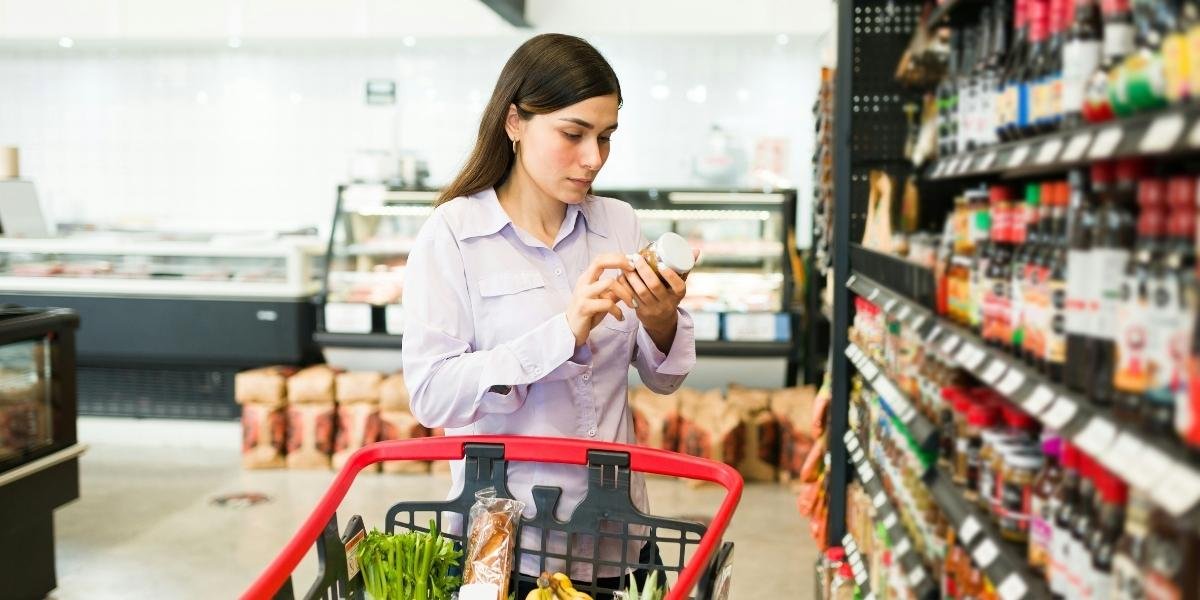
Photo Credit: Unsplash.com
What makes San Francisco’s approach unique is its focus on placement rather than prohibition. Shoppers still have access to the same products, they’re just not prompted to buy them impulsively. This distinction matters, especially for those concerned about overreach or limiting consumer choice.
The policy also intersects with broader economic factors. Food prices, supply chains, and tariffs all influence what ends up on shelves. For those curious about how these forces shape everyday purchases, this look at how tariffs affect American life offers helpful context.
What Shoppers Are Saying About the Change
Reactions to the ban have been mixed but largely positive. Some shoppers appreciate the cleaner checkout areas and feel less tempted to make unhealthy choices. Parents, in particular, have noted fewer arguments with children over candy. Others miss the convenience of grabbing a quick snack and feel the change is unnecessary.
Still, many are adjusting. Over time, habits shift, and what once felt like a small indulgence becomes less appealing. Some shoppers report feeling better about their purchases and more in control of their spending. For those managing health conditions or dietary goals, the change offers a small but meaningful boost.
Retailers have also found creative ways to use the freed-up space. Some feature local products, seasonal promotions, or wellness items. Others highlight loyalty programs or eco-friendly goods. These adaptations show that compliance doesn’t have to mean compromise.
A Quiet Shift With Lasting Impact
San Francisco’s junk food checkout ban isn’t a sweeping overhaul, but it’s a thoughtful step toward healthier habits. By rethinking how grocery stores present food, the city is helping residents make better choices without pressure or judgment.
For those navigating busy lives, small changes like this can make a big difference. And while the policy won’t solve every nutrition challenge, it’s a reminder that environment matters, especially when it comes to what we eat.
This isn’t about perfection or restriction. It’s about making the healthy choice just a little easier. And in a city known for innovation and public health leadership, that feels like a natural next step.


