









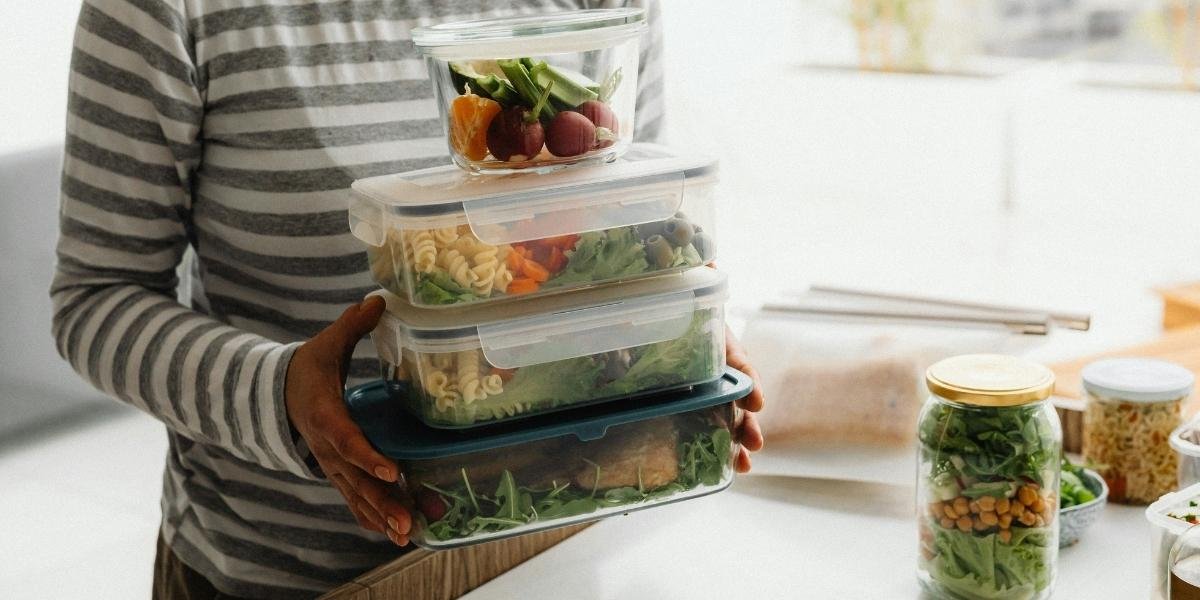
Meal prep is becoming a lifeline for busy San Francisco residents trying to balance work, errands, and everything in between. With limited time and endless distractions, having meals ready to go can make the week feel less chaotic. It’s not just about saving time, it’s about making thoughtful choices that support health, reduce stress, and bring a little order to the daily rush.
In a city known for its fast pace and food culture, meal prep offers a way to enjoy good food without relying on takeout or last-minute decisions. Whether someone’s working long hours downtown or juggling remote meetings from home, having a plan for meals can make a real difference.
Why Meal Prep Works in San Francisco
San Francisco’s lifestyle doesn’t always leave room for cooking every night. Between traffic, unpredictable schedules, and the temptation of nearby restaurants, it’s easy to fall into habits that aren’t always the healthiest. Meal prep helps shift that pattern by creating structure around food choices.
It’s also a way to save money. Dining out regularly adds up quickly, especially in neighborhoods where even casual meals come with a premium price tag. Prepping meals at home allows residents to stretch their budgets while still enjoying variety and flavor.
For those navigating dietary needs or fitness goals, meal prep offers control. Ingredients, portions, and timing can all be tailored to fit personal preferences. That kind of flexibility is hard to find when relying on restaurant menus or delivery apps.
Start with a Simple Strategy
Meal prep doesn’t have to be complicated. The key is starting with a plan that fits the week ahead. That might mean prepping three dinners, a few lunches, and some grab-and-go snacks. It’s not about cooking everything at once, it’s about making smart choices that reduce decision fatigue.
One approach is to prep ingredients instead of full meals. Cooked grains, roasted vegetables, and proteins like grilled chicken or tofu can be stored separately and combined in different ways. This method keeps meals fresh and avoids the boredom of eating the same dish every day.
Flavor plays a big role in keeping meal prep enjoyable. Using herbs and spices can transform basic ingredients into something memorable. For ideas on how to do this without adding extra calories, check out cooking with herbs and spices for simple ways to boost taste while keeping meals light.
Choose Whole Foods for Better Results
Whole foods are the foundation of smart meal prep. They’re nutrient-rich, versatile, and easy to prepare in advance. Think roasted sweet potatoes, steamed greens, grilled fish, or hard-boiled eggs. These ingredients can be used across multiple meals and offer steady energy throughout the day.
Incorporating whole foods also helps avoid the crash that comes from processed snacks or sugary meals. They support digestion, improve focus, and help maintain energy levels during long workdays. For tips on how to include more of these ingredients, explore bringing whole foods into your meal plan for practical advice on building a balanced plate.
Shopping for whole foods is easier when sticking to the perimeter of the grocery store. That’s where fresh produce, lean proteins, and whole grains are usually found. Planning meals around these items helps simplify choices and keeps prep focused on quality.
Make Time for Prep Without Losing Your Weekend
One of the biggest challenges with meal prep is finding time to do it. For San Francisco residents with packed weekends, carving out even an hour can feel impossible. But prep doesn’t have to take all day. A short session on Sunday afternoon or Monday evening can be enough to set up the week.
Batch cooking is one way to save time. Roasting a tray of vegetables, cooking a pot of rice, and grilling a few servings of protein can be done simultaneously. Once cooled, these components can be stored in containers and used throughout the week.
Another option is to prep in stages. Chop vegetables one day, cook grains the next, and assemble meals later. This approach breaks the process into manageable steps and avoids burnout. It also allows for flexibility if plans change or new cravings pop up.
Keep Meals Interesting Without Extra Effort
Meal prep doesn’t mean eating the same thing every day. With a few tweaks, the same ingredients can be used in different ways. A grain bowl can become a wrap, a salad, or a stir-fry depending on what’s available. Sauces, dressings, and spice blends add variety without requiring extra cooking.
Rotating ingredients week to week also helps. Swap quinoa for brown rice, chicken for salmon, or kale for spinach. These small changes keep meals exciting and prevent the feeling of repetition.
Using seasonal produce is another way to keep things fresh. Farmers markets around San Francisco offer a wide range of fruits and vegetables that change throughout the year. Incorporating these into meal prep adds flavor and supports local growers.
Sample Meal Prep Ideas for the Week
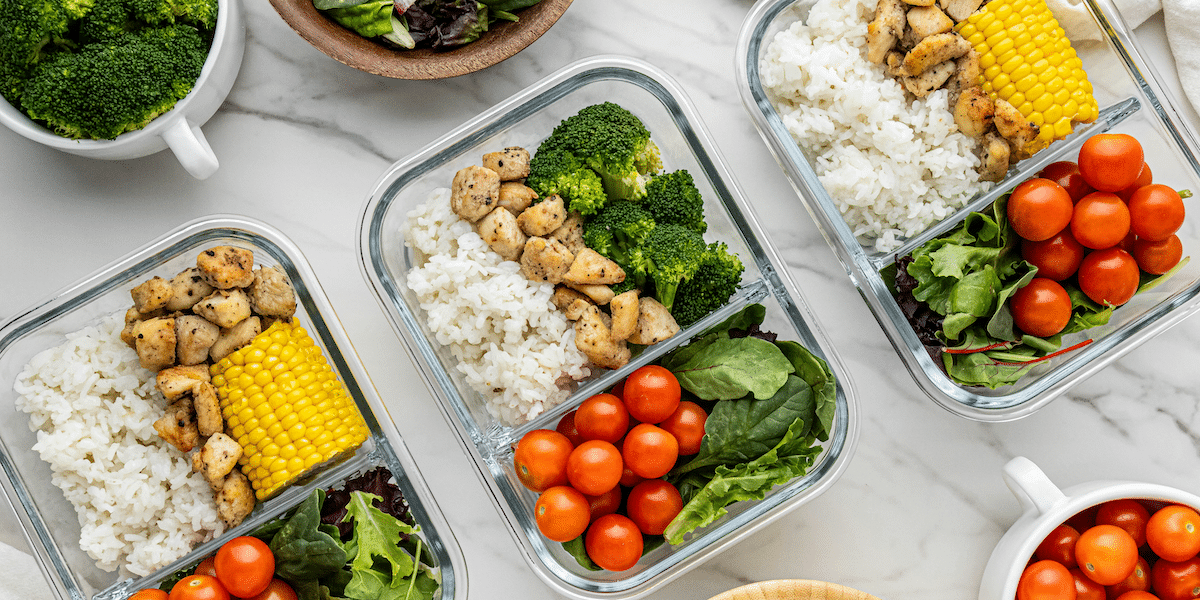
Photo Credit: Unsplash.com
Planning meals ahead doesn’t mean sacrificing variety or flavor. Here are a few sample meal prep combinations that work well for busy schedules and can be mixed and matched throughout the week:
1. Grain Bowl Base
- Cooked quinoa or brown rice
- Roasted sweet potatoes
- Sautéed kale or spinach
- Grilled chicken or baked tofu
- Lemon-tahini dressing or chimichurri
2. Mediterranean Lunch Box
- Hummus and whole grain pita
- Cherry tomatoes and cucumber slices
- Hard-boiled eggs or grilled salmon
- Olives and feta crumbles
- Fresh herbs like parsley or dill
3. Stir-Fry Kit
- Pre-chopped bell peppers, broccoli, and snap peas
- Cooked soba noodles or jasmine rice
- Marinated tofu or sliced beef
- Ginger-garlic soy sauce
- Toasted sesame seeds
4. Breakfast Prep
- Overnight oats with chia seeds and almond milk
- Fresh berries or sliced banana
- A sprinkle of cinnamon or nutmeg
- Optional: chopped nuts or flaxseed
5. Snack Packs
- Sliced apples or carrots
- Nut butter or hummus
- Whole grain crackers
- A few squares of dark chocolate
Stay Consistent Without Feeling Rigid
Consistency is key to making meal prep work long-term. But that doesn’t mean being strict. It’s okay to skip a prep session or grab takeout once in a while. The goal is to build habits that support health and reduce stress, not create pressure.
Tracking what works can help refine the process. If certain meals are always left uneaten, it might be time to switch things up. If prep feels overwhelming, scaling back can make it more manageable. The system should serve the person, not the other way around.
Meal prep is a tool, not a rule. It’s meant to make life easier, not harder. For San Francisco residents juggling busy schedules, it offers a way to stay grounded, eat well, and feel more in control of the week ahead.


