










San Francisco’s culinary delights are woven into the city’s identity. From the scent of sourdough near the waterfront to the sizzling woks of Chinatown, every corner offers a distinct flavor and experience. The city’s food scene reflects its diversity, creativity, and deep-rooted traditions, making it one of the most exciting places to explore through taste.
Neighborhoods That Shape the City’s Flavor
Each neighborhood contributes something unique to San Francisco’s culinary landscape. The Mission District is known for bold, spice-forward Mexican fare, with taquerias and panaderías lining the blocks. North Beach leans Italian, offering handmade pasta and espresso bars that have become staples over generations. Chinatown continues to serve dim sum, roast duck, and herbal teas that reflect centuries of culinary tradition.
In the Richmond and Sunset districts, Russian bakeries, Burmese tea shops, and Korean barbecue spots are tucked between residential blocks. These areas may not always appear in tourist guides, but they are essential to understanding the full scope of San Francisco’s culinary delights. A closer look at how these neighborhoods contribute to the city’s food culture can be found in this overview of local culinary diversity.
Seasonal Menus and Ingredient-Driven Dining
San Francisco’s proximity to farms, fisheries, and vineyards gives chefs access to fresh, local ingredients year-round. Seasonal menus are common, with dishes changing weekly based on availability. Heirloom tomatoes appear in late summer, Dungeness crab in winter, and wild mushrooms during the rainy season.
This ingredient-first approach isn’t limited to upscale dining. Even casual cafes and food trucks often highlight what’s fresh and local. Farmers’ markets across the city, from the Ferry Building to Alemany, serve as both inspiration and supply chain for many kitchens. The result is a dining culture that feels alive, constantly shifting with the seasons.
Restaurants often build their menus around what’s available that week, creating a sense of immediacy and connection to the land. This practice encourages diners to try new dishes and flavors they might not encounter elsewhere. It also supports local producers and fosters a deeper appreciation for the food’s origin.
Culinary Delights for Every Lifestyle
San Francisco’s culinary scene embraces health-forward dining alongside indulgent classics. Plant-based menus, gluten-free bakeries, and organic juice bars are found in nearly every neighborhood. California’s broader wellness culture influences how residents eat, and that’s reflected in the city’s restaurant offerings.
Many locals prioritize balance, choosing meals that nourish without sacrificing flavor. Grain bowls topped with roasted vegetables, smoothies made with local berries, and dairy-free desserts are common choices. This mindset is explored further in this piece on healthy eating habits shaped by California’s cuisine, which highlights how regional influences shape everyday decisions.
Restaurants often accommodate a wide range of dietary preferences, making it easier for individuals to enjoy meals that align with their values and needs. Whether someone is looking for keto-friendly options or allergen-conscious menus, the city’s culinary infrastructure is designed to be inclusive and responsive.
Street Food and Casual Gems
While San Francisco has its share of fine dining, some of the most memorable culinary delights come from humble settings. Food trucks, pop-ups, and small eateries often deliver bold flavors and creative combinations. A Filipino rice bowl stand in SoMa or a vegan taco cart near Dolores Park might offer dishes that rival any sit-down restaurant.
These casual spots reflect the city’s openness to experimentation. Chefs test new ideas, blend cuisines, and serve dishes that don’t fit traditional categories. It’s not unusual to find a menu that includes both ramen and fried chicken, or a dessert that combines mochi with cheesecake. These mashups aren’t gimmicks, they’re part of the city’s evolving food identity.
Street food also plays a role in accessibility. Not everyone has the time or budget for a multi-course meal, and these informal options provide high-quality food at a more approachable price point. They also foster community, turning sidewalks and parks into shared dining spaces.
Culinary Events and Community Tables
San Francisco’s food scene extends beyond restaurants. Culinary events, night markets, and tasting festivals bring people together to celebrate what’s on the plate. Events like Off the Grid and Eat Drink SF showcase local talent and give attendees a chance to sample dishes from dozens of vendors in one place.
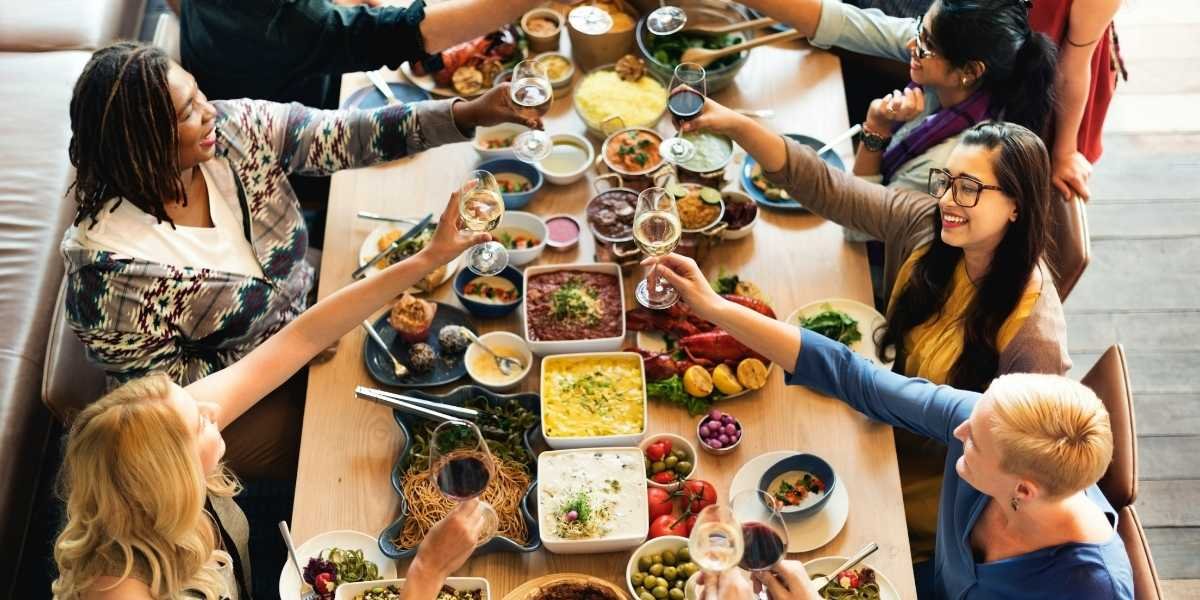
Photo Credit: Unsplash.com
Community tables and shared dining experiences are also part of the culture. Some restaurants encourage communal seating, while others host themed nights or chef-led dinners that turn meals into conversations. These gatherings reflect the city’s belief that food is meant to be shared, not just consumed.
Cooking classes, pop-up dinners, and collaborative menus also contribute to the city’s culinary energy. These experiences allow diners to engage more deeply with the food and the people who create it, fostering a sense of connection and curiosity.
Innovation and Tradition in Harmony
Innovation plays a role in how San Francisco approaches food. Tech startups have influenced delivery models, reservation systems, and even how ingredients are sourced. Ghost kitchens and app-based ordering have changed how meals are accessed, especially during busy workdays or late-night cravings.
But innovation isn’t just about technology. It’s also about how chefs reinterpret tradition. Sushi made with local produce, pasta filled with unexpected ingredients, and desserts that challenge conventional expectations all contribute to the city’s culinary delights. These creative choices keep the dining scene fresh and surprising.
Restaurants often blend old and new, offering classic dishes with modern twists. This approach honors heritage while embracing change, allowing culinary traditions to evolve without losing their essence.
Why Culinary Delights Matter in San Francisco
Food in San Francisco connects people to heritage, neighborhood, and community. Whether it’s a family recipe passed down through generations or a new dish inspired by global travel, every bite tells a story. The city’s culinary delights reflect its diversity, creativity, and values.
They show how food can be inclusive, expressive, and deeply personal. For those exploring San Francisco, tasting the city offers one of the most direct ways to understand it. The experience isn’t just about flavor, it’s about connection, curiosity, and the joy of discovery.
Dining in San Francisco is more than a transaction, it’s a cultural exchange. It invites people to slow down, ask questions, and appreciate the craft behind each dish. Whether seated at a Michelin-starred restaurant or standing at a food truck window, the city’s culinary delights offer a moment of reflection and celebration.


