








By: Jessica Zang
By the time you see the headline, whether it’s an NBA franchise launching an initiative in China, a pop star fronting a new brand collaboration, or a creator’s campaign racking up millions of views, the real work is already done.
It happened months earlier, in rooms nobody photographed.
The conversations in those rooms rarely touch creative concepts at all. They’re about commercial fit: Do these organizations actually want the same thing? Does the math work three years out, not three weeks out? Is there a business here, or just a press release?
Answering those questions well has quietly become one of the more valuable skills in international business, and a small cohort of executives has built entire careers around it.
The New Grammar of Partnership
Sports franchises now strike deals with tech companies. Creators launch product lines with legacy brands. Entertainment IP partners with tourism boards. Consumer brands chase cultural relevance instead of buying ad inventory. The old category lines (sports, media, retail, tech) barely hold anymore.
Zhangruiqi Li, known professionally as Rachel Li, has spent her career on the inside of that shift. As Director of Partnerships at East Goes Global, she works across sports, entertainment, the creator economy and cross-border business development, with a mandate that’s less “close the sponsorship” and more “design a relationship that compounds.”
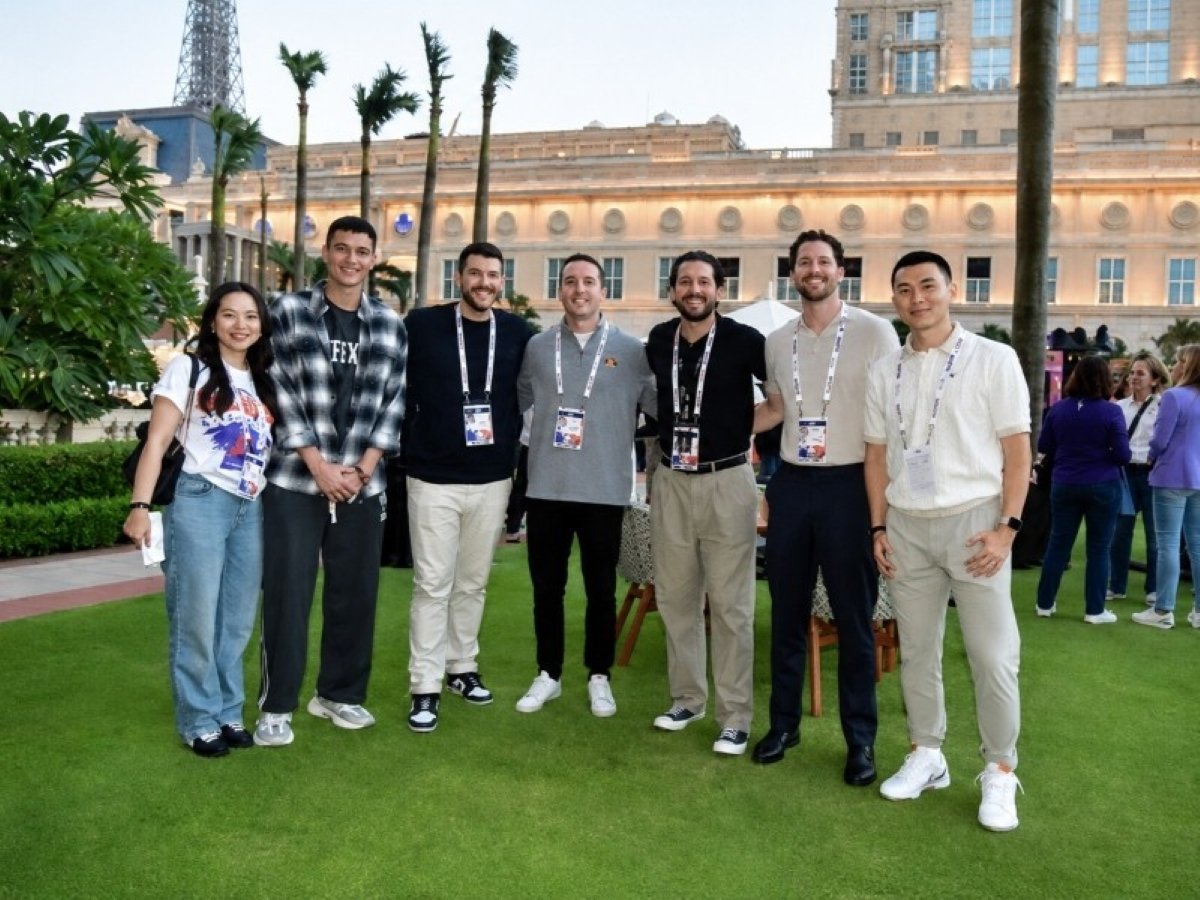
“People assume partnerships start with negotiation,” Li says. “In reality, negotiation is one of the last steps. The real work is figuring out how each organization defines success, and whether those definitions can actually support each other.”
Beyond the Impressions Scoreboard
For years, the metrics of international expansion were blunt: impressions, views, follower counts. They still matter. But they’re no longer the whole conversation. Increasingly, the questions executives ask are longer-horizon ones. Does this build credibility in a market we’re not native to? Does it seed the next three deals, not just this one?
Nowhere is that truer than in China. It remains one of the most dynamic consumer markets on earth, but it runs on its own platforms, its own audience logic, its own commercial rhythms. Companies that treated it as a market to export into have largely learned the hard way that it’s a market to be built for.
“The strongest partnerships aren’t built around deliverables,” Li says. “They’re built around alignment. Once organizations agree on why they’re doing something together, the creative work and the execution take care of themselves.”
The Portfolio, Not the Press Release
That thesis has played out across sectors. In professional sports, Li’s work has extended beyond straightforward sponsorship sales to a broader growth strategy that spans audience development, localized content, and market positioning, treated as a single connected system rather than a string of one-off activations. One such project supported the Phoenix Suns’ commercial push into China, pairing localized audience-building with partnership outreach as a single strategy rather than separate workstreams.
The same logic is spreading well past sports, because the players themselves have changed shape: creators now run what amount to small media companies; tech platforms behave like publishers; consumer brands are building communities, not campaigns. A decade ago, many of these organizations wouldn’t have had a reason to be in the same meeting. Now they’re co-authoring go-to-market strategy.
Since taking over East Goes Global’s partnerships division, Li has helped build a substantial commercial pipeline and worked on sponsorships, creator collaborations, and cross-border deals across the company’s client roster.
She’s careful not to let scale become the point.
“The most valuable partnership isn’t necessarily the biggest one,” she says. “It’s the one that produces another opportunity six months later, another relationship the year after that, and enough trust that the value keeps compounding long after the original campaign is over.”
The Real Asset Class
Globalization is usually told through trade flows, technology transfer, and capital markets. There’s a case that the more durable currency right now is relationships, not transactional ones tied to a single campaign, but ones deliberately engineered to connect industries, cultures, and organizations over time.
For a growing number of companies, that may be the more sustainable moat. And for operators like Rachel Li, building it isn’t just a job description. It’s becoming the operating model for how global business gets done.
This piece profiles Rachel Li’s partnership development work at East Goes Global.


