





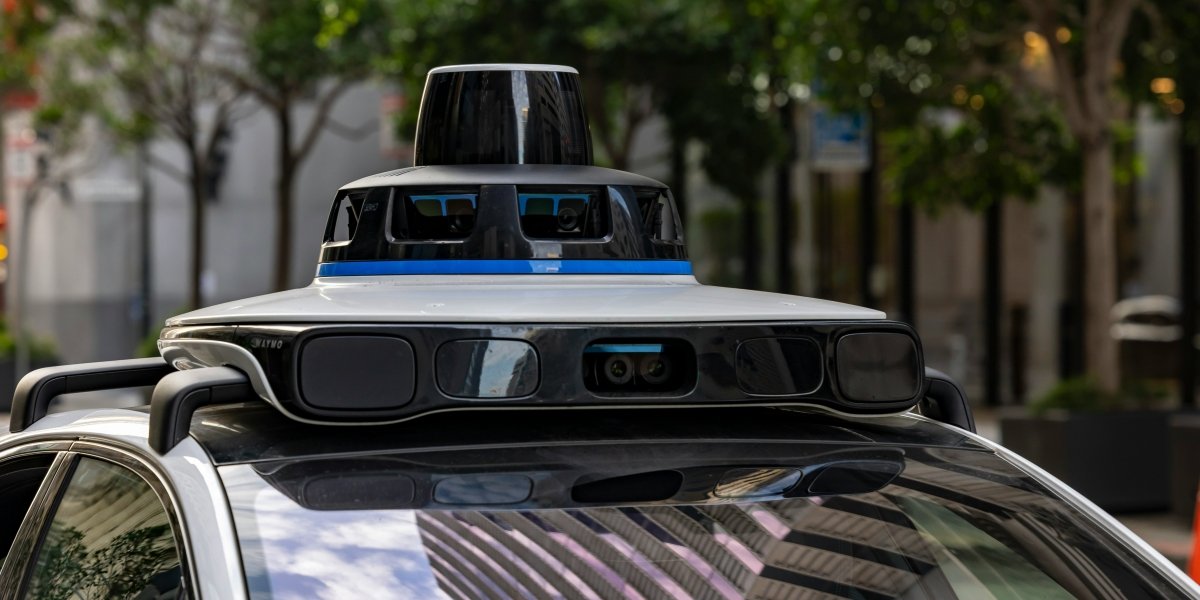
Driverless cars may change who is behind the wheel, but founders and mobility observers say the city’s next challenge is making transportation more shared, not just more automated.
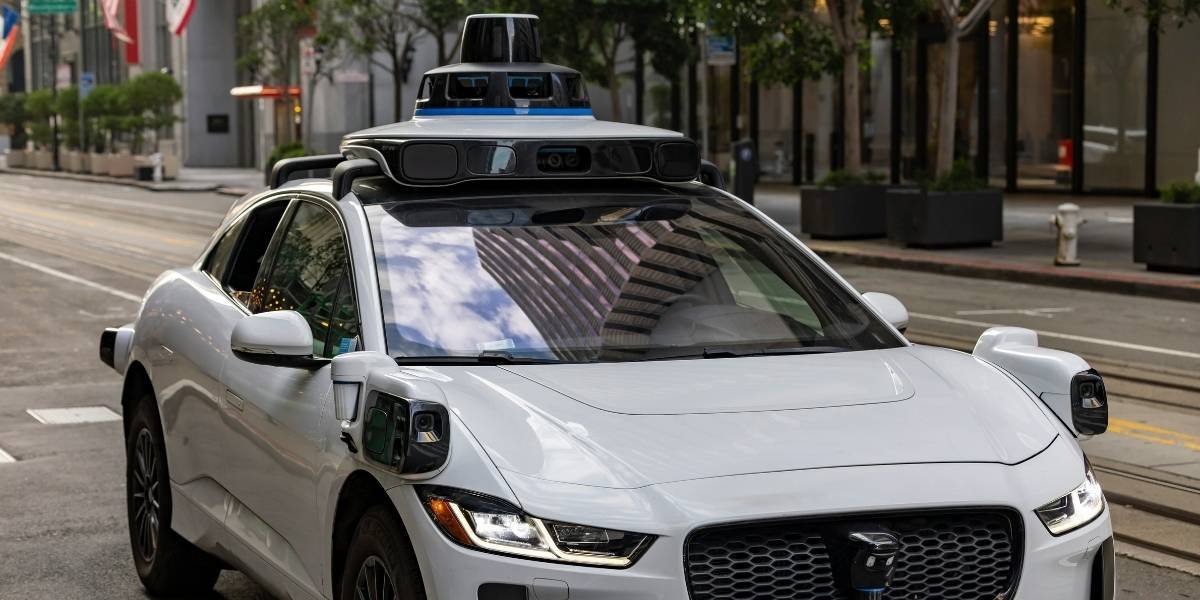
San Francisco has become one of the world’s most visible testing grounds for autonomous vehicles.
On any given day, residents and visitors can see driverless cars moving through busy streets, stopping at intersections, navigating hills, and carrying passengers through one of America’s most complex urban environments. For the technology industry, that is a milestone. For transportation planners and city residents, it also raises a larger question.
If a vehicle drives itself but still carries only one person, how much has actually changed?
Autonomous vehicles have the potential to improve road safety, reduce human driving error, and expand access for people who cannot or do not want to drive. Companies working in the space have spent years developing sensors, mapping systems, artificial intelligence, fleet operations, and remote support infrastructure. San Francisco has played a central role in that progress.
But the city is also beginning to see the limits of automation as a standalone transportation solution.
A driverless vehicle still occupies curb space. It still uses a lane. It still adds to traffic when demand is high. It still needs pickup and drop-off locations. It still contributes to congestion if it replaces a walking trip, transit trip, or shared ride with another single-passenger car trip.
That is why some mobility founders are arguing that the future of transportation should not be framed as driverless versus human-driven. It should be framed as individual versus shared.
Kamuit, a transportation technology company focused on structured long-distance shared mobility, recently made that argument in a LinkedIn post that drew strong engagement. The post responded to news of major autonomous vehicle expansion in San Francisco and argued that replacing human-driven cars with self-driving cars does not automatically fix the commute if each vehicle still moves one person in a five-seat car.
The company’s point was simple: autonomy changes how a vehicle moves, but sharing changes how efficiently people move.
For Yogesh Rethinapandian, co-founder of Kamuit, San Francisco’s autonomous vehicle moment is important but incomplete.
“Autonomy is an incredible technical achievement,” Rethinapandian said. “But if the future is thousands of empty seats moving through already crowded streets, then we have solved only one part of the transportation problem. The next question is occupancy, coordination, and how to move more people with the vehicles already on the road.”
That distinction matters in San Francisco.
The city has long been a dense and difficult transportation environment. It has narrow streets, heavy curb demand, transit pressure, cyclists, pedestrians, tourists, delivery vehicles, ride-hailing cars, and now autonomous vehicles all competing for space. Adding smarter vehicles may help with some safety and efficiency challenges, but it does not remove the physical limits of street capacity.
Recent scrutiny around autonomous vehicles has also reminded the public that trust and transparency remain central to deployment.
At a U.S. Senate hearing earlier this year, lawmakers questioned autonomous vehicle companies about the role of remote assistance operators. Waymo has said that such personnel provide guidance and support, not remote driving or direct control of vehicles during U.S. on-road operations. Still, the discussion showed that the public is not only asking whether autonomous vehicles can drive safely. It is also asking how they are operated, who supports them, where support is located, and what happens when vehicles encounter complex edge cases.
Those questions became more visible as San Francisco dealt with major-event congestion and operational concerns. Reports around the city’s July Fourth traffic disruption pointed to broader coordination failures, including the role of stalled or stranded vehicles in already crowded areas. City officials called the disruption unacceptable and pushed for better planning before future large events.
None of this means autonomous vehicles should be dismissed. The technology is advancing quickly, and San Francisco has benefited from being close to the companies, engineers, regulators, and early adopters shaping the field. Autonomous vehicles may eventually become safer and more reliable than human drivers in many use cases.
But even a safe robotaxi can still be an inefficient transportation unit if it is mostly empty.
That is where shared mobility becomes part of the discussion.
Shared mobility does not require every trip to become public transit. It does not require everyone to give up private cars. It simply asks whether trips that already overlap can be organized better. If multiple people are moving in the same direction, at similar times, across repeated corridors, then the system should make it easier to share that movement.
Kamuit’s work has focused on that idea in long-distance and regional travel. The company is building around scheduled routes, verified users, cost-sharing, and trusted coordination between drivers and riders. Its model looks beyond instant local ride-hailing and toward trips where people already drive between cities, airports, universities, and regional hubs.
For a region like the Bay Area, the concept is relevant because the transportation problem is not only inside San Francisco. It is also between San Francisco, San Jose, Oakland, Fremont, Sacramento, Davis, and surrounding communities. People are constantly moving across regional corridors, often in vehicles with empty seats.
Rethinapandian says the lesson from the autonomous vehicle debate is not that technology is moving in the wrong direction. It is that mobility technology should focus on the total system, not only the driver.
“A self-driving car with one passenger is still one car moving one person,” he said. “The real opportunity is to combine better technology with better utilization. San Francisco has already shown the world what autonomy can look like. The next step is showing what coordinated shared mobility can look like.”
That view reflects a broader shift in transportation thinking. The first era of ride-hailing optimized convenience. The autonomous vehicle era is optimizing the driving task. The next phase may need to optimize occupancy, curb use, route coordination, and cost per person moved.
For cities, that may be the most important metric.
If every innovation adds another vehicle to the road, congestion continues. If innovation helps people share movement more effectively, the same road space can serve more travelers. That is especially important in places like San Francisco, where street space is limited and demand keeps rising.
The future of transportation may include autonomous vehicles. It may include electric fleets, better transit, employer shuttles, bikes, scooters, and rail. But the larger goal should not be simply removing the driver.
It should be moving people better.
San Francisco’s autonomous vehicle boom has already changed how the city thinks about transportation technology. Now it may need to ask a deeper question: not just whether the car can drive itself, but whether the ride should have been shared in the first place.


