








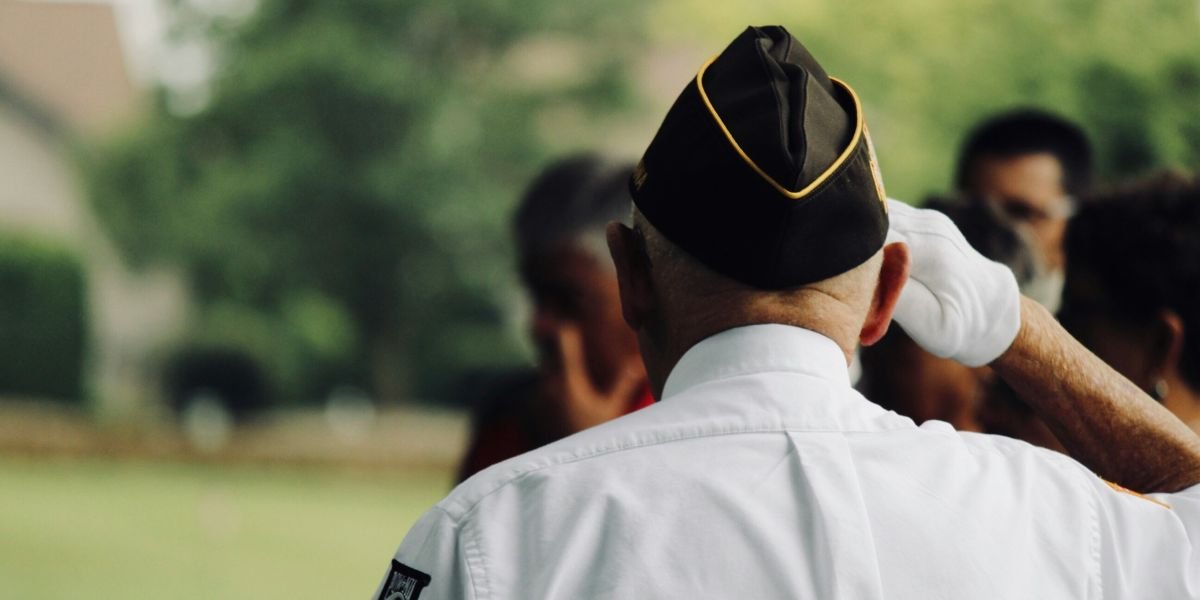
The National Salute to Veteran Patients is an annual observance that recognizes and honors veterans receiving care in medical facilities. This event highlights the service and sacrifice of those who have served in the armed forces while emphasizing the importance of respect, dignity, and gratitude in healthcare settings.
By bringing attention to veteran patients, the observance reinforces the role of compassion and acknowledgment in supporting overall well-being. Visible gestures of appreciation, such as wearing patriotic shirts, are often used to create a supportive and respectful atmosphere during this time.
What Is the Purpose of the National Salute?
The National Salute to Veteran Patients was established to ensure that hospitalized veterans feel remembered and appreciated. Many veterans spend extended periods in medical facilities, where recognition of their service can have a meaningful emotional impact.
The observance serves as a reminder that care extends beyond medical treatment to include emotional support and acknowledgment. Formally recognizing veteran patients, healthcare providers, and communities helps reinforce a sense of value and belonging.
When Does the National Salute Take Place?
The observance is typically held annually during the week of Valentine’s Day. This timing emphasizes themes of compassion, connection, and appreciation. Medical facilities, veterans’ organizations, and community groups often coordinate activities throughout the week.
The structured timeframe facilitates organized participation and raises awareness among staff, volunteers, and visitors. Consistent scheduling also helps establish the National Salute as a recognized and anticipated event within healthcare environments.
How Can Healthcare Facilities Participate?
Hospitals, clinics, and long-term care facilities often play a central role in the National Salute. Participation may include hosting recognition events, facilitating visits from volunteers, or organizing card and letter drives.
These efforts aim to create positive interactions for veteran patients. Facility staff may also take part by acknowledging veterans during routine care or participating in observance activities. These actions help integrate recognition into the daily healthcare experience.
The Role of Community Involvement
Community participation strengthens the impact of the National Salute. Local organizations, schools, and volunteer groups frequently contribute by sending messages of appreciation or coordinating visits where permitted.
Community involvement helps bridge the gap between healthcare facilities and the public, reinforcing collective gratitude. These efforts remind veteran patients that their service is recognized far beyond the walls of medical institutions.
Why Does Recognition Matter for Veteran Patients?
Recognition can play an important role in veterans’ emotional well-being. Many veterans face unique challenges related to their service, and acknowledgment can help foster a sense of pride and connection.
Feeling seen and appreciated may support morale during difficult recovery periods. While recognition is not a replacement for medical care, it does complement treatment well by addressing emotional and social needs. This holistic approach aligns with broader goals of patient-centered care.
What Are Appropriate Ways To Show Respect and Gratitude?
Respectful recognition is guided by sensitivity and awareness. Gestures should focus on appreciation without making assumptions about individual experiences. Simple acknowledgments, supportive language, and visible symbols of respect can effectively convey gratitude.
Maintaining professionalism ensures that recognition enhances the care environment rather than disrupting it. Thoughtful approaches help make sure that all veteran patients feel comfortable and valued.
Avoiding Common Missteps During the Observance
While the intention behind the National Salute is positive, missteps can occur if recognition is handled without care. Overly intrusive gestures or generalized statements may not resonate with every veteran.
Some individuals may prefer quiet acknowledgment rather than public attention. Awareness of personal preferences and boundaries helps avoid discomfort. Flexibility and respect are key to ensuring recognition remains meaningful.
How Does the National Salute Support Healthcare Culture?
The observance also influences healthcare culture by promoting awareness and empathy among staff and visitors. Recognizing veteran patients encourages reflection on service, sacrifice, and respect.
This focus can strengthen relationships between healthcare providers and patients by reinforcing shared values. Over time, consistent participation helps embed appreciation and acknowledgment into the broader care environment.
Educational Opportunities Created by the Salute
The National Salute offers educational opportunities in healthcare settings. Staff and volunteers may learn more about veteran experiences and the importance of culturally informed care.
Increased awareness supports better communication and understanding. Education enhances the effectiveness of recognition efforts by grounding them in respect and knowledge rather than routine gestures.
A Meaningful Tradition of Appreciation
The National Salute to Veteran Patients serves as an important reminder of the value of recognition in healthcare. By honoring veterans during their time of care, the observance highlights the connection between respect, emotional support, and overall well-being.
Thoughtful participation from healthcare providers and communities helps ensure that veteran patients feel appreciated and acknowledged. This tradition of gratitude reinforces a culture of compassion that extends beyond a single week and into everyday care practices.


