










In Carmel-by-the-Sea, an affluent California beach town known for its picturesque streets and peaceful ambiance, pickleball has sparked an unexpected controversy. Local officials recently voted to ban pickleball at public parks, citing noise complaints from nearby residents. These residents described the constant “pop-pop-pop” sound from the paddles as a disruptive force against the town’s tranquil atmosphere.
This pickleball ban has led to heated discussions about balancing recreational growth with quality of life. Advocates for the ban argue that the unique character of Carmel depends on its serenity, while supporters of the sport see it as an unnecessary restriction on a popular activity that fosters both health and social connection. This clash between recreation and relaxation in one of California’s most idyllic towns reflects broader debates about how to preserve community identity amidst the rise of trendy activities.
The pickleball ban in Carmel may be the first of its kind in California, but it raises a critical question: can recreational growth be maintained without compromising the peaceful nature of residential communities? As the sport continues to grow in popularity nationwide, this issue is bound to be revisited in other towns across the country.
Why Pickleball’s Noise is Creating Tension
Pickleball has exploded in popularity over the past few years, drawing players of all ages to courts across the U.S. However, it’s the distinctive noise generated by the sport that has caused the most trouble in Carmel. The sound of a pickleball paddle striking the ball is sharp and repetitive, often louder than the traditional thud of tennis racquets. Residents living near the courts described the sound as intrusive, especially in a quiet town where the natural surroundings are a big part of the community’s charm.
To address the noise complaints, local officials attempted several compromises, such as testing quieter paddles and balls. However, players rejected these options, arguing that these changes altered the game’s feel and diminished the overall experience. As a result, the city council concluded that the only viable solution was a complete pickleball ban at public facilities.
This debate over noise touches on a larger issue: how communities define acceptable sounds in public spaces. Should recreational noise be considered part of the vibrancy of community life, or should it be eliminated to preserve a town’s tranquility? This complex question is likely to shape future discussions in towns grappling with similar pickleball noise complaints.
Carmel’s Pickleball Ban: A First in California
While pickleball noise disputes are becoming increasingly common, Carmel’s decision to enact a full ban stands out. In other U.S. towns, noise complaints have led to measures like restricted playing hours, designated playing zones, or even soundproofed courts. However, Carmel will be the first California city to impose a total ban on public pickleball courts.
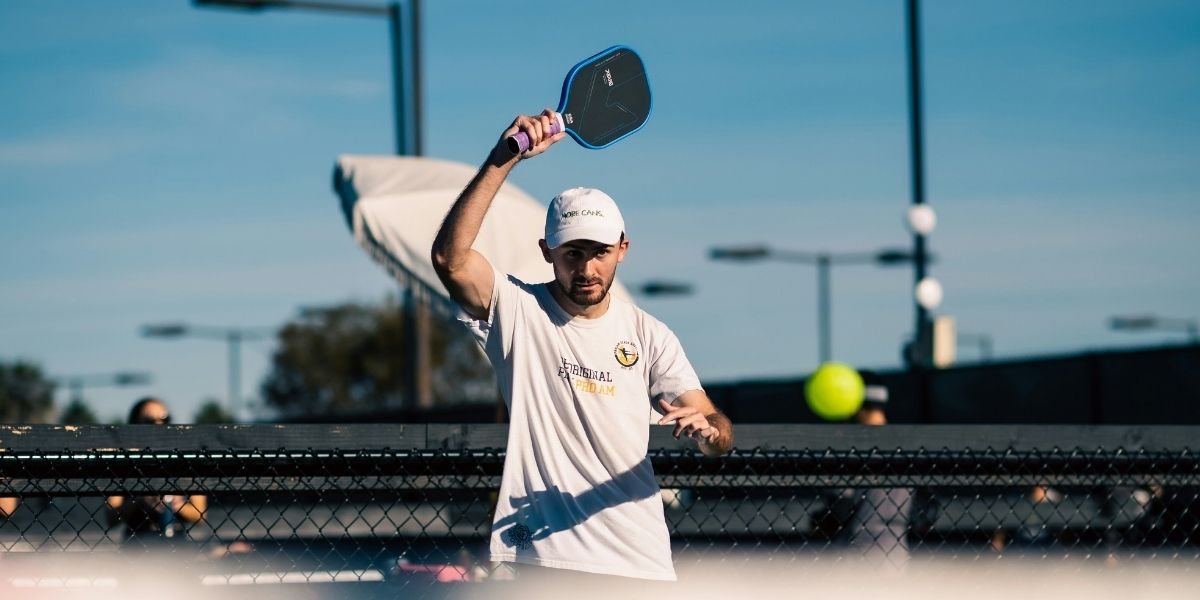
Photo Credit: Unsplash.com
The decision is not only significant because of its uniqueness but also because it signals a broader trend in California, where local governments are increasingly addressing the challenges posed by the sport’s rapid growth. While pickleball enthusiasts argue that it promotes physical activity and social interaction, the question remains whether it can coexist with the peaceful lifestyle cherished by many residents in affluent areas.
This pickleball ban has set a precedent, and other towns will likely take note. As the sport grows, more cities may be forced to make similar decisions, balancing the needs of pickleball players with those of local residents who value peace and quiet. Carmel’s approach could inspire other communities to reexamine how they manage recreational spaces.
The Rise of Pickleball and Its Controversies
Across the country, pickleball has been heralded as the fastest-growing sport in America, with courts springing up in parks, gyms, and recreation centers. Yet, as the sport grows, so do the complaints from people who live near courts. According to the Sports & Fitness Industry Association, pickleball participation has increased by over 300% since 2021. However, with this rapid rise in popularity, there are bound to be growing pains.
Noise complaints related to pickleball have led to lawsuits and restrictions in several states, including New York, Florida, and now California. Some towns have embraced pickleball as a symbol of active living, while others view it as a disturbance to the peace and quiet that residents expect in suburban or coastal communities. The pickleball ban in Carmel may be the most drastic move so far, but it is far from an isolated case.
As more communities face similar pickleball noise complaints, it’s clear that this issue is far from settled. Whether through banning the sport or finding ways to mitigate noise, the national conversation about pickleball’s place in public spaces will only grow louder in the coming years. The next few years will likely reveal whether other towns follow Carmel’s lead or adopt different approaches to accommodating the sport.
Solutions for the Future of Public Recreation
So, what lies ahead for communities dealing with pickleball bans or similar noise complaints? As the sport continues to grow in popularity, cities across the country will need to consider whether they want to continue offering public courts or if they should make adjustments to meet the needs of all residents. One potential solution is the creation of dedicated pickleball zones that are farther away from residential areas. By locating courts in less densely populated areas, noise concerns can be alleviated, while still offering space for players.
Another solution could involve the construction of soundproof or noise-dampening courts. In some areas, cities have tested soundproofing materials or built courts with noise-reducing barriers to minimize the impact on surrounding neighborhoods. This approach would allow pickleball to thrive in public spaces without disrupting the quality of life for nearby residents.
Finally, cities could implement new regulations regarding when and where pickleball can be played. This could include restricting play to certain hours of the day, limiting the number of courts in a given area, or even offering a combination of soft paddles and balls to reduce noise. While these measures may not entirely eliminate complaints, they could strike a balance between public recreation and community peace.


