










Electric car ownership in California is becoming more common, and with it comes a new set of financial considerations. From upfront costs and charging fees to maintenance and resale value, understanding how electric cars fit into California’s landscape can help drivers make informed decisions. Whether you’re commuting in San Francisco or road-tripping across the state, the numbers behind electric car savings are worth exploring.
Upfront Costs and Incentives
Electric cars range widely in price. Entry-level models like the Nissan Leaf or Chevrolet Bolt start around $27,000, while higher-end options such as the Tesla Model Y or Lucid Air can exceed $70,000. California’s Clean Vehicle Rebate Project (CVRP) offers rebates up to $7,500 for eligible purchases, depending on income and vehicle type.
Additional incentives may come from local air districts or utility providers. PG&E, for example, offers rebates for installing home charging stations. These programs are updated regularly, so checking eligibility before purchase is essential.
Charging vs. Fuel Costs
Charging an electric car at home during off-peak hours can cost as little as $0.15 per kilowatt-hour. For many drivers, that translates to $4–$6 for a full charge. In contrast, California’s average gas price often exceeds $5 per gallon, making electricity a more affordable option for daily commuting.
Public charging stations vary in cost. Fast chargers may charge per minute or per session, while some Level 2 stations offer free charging in public lots or workplaces. Apps like PlugShare and ChargePoint help drivers locate stations and compare rates. Over time, the difference in fuel costs can be significant, especially for those with long commutes.
Maintenance and Repairs
Electric cars typically require less maintenance than gas-powered vehicles. There’s no need for oil changes, transmission repairs, or exhaust system replacements. Regenerative braking also reduces brake wear. According to Consumer Reports, electric car owners spend roughly half as much on maintenance over the life of the vehicle.
Battery replacement can be expensive, but most manufacturers offer warranties ranging from 8 to 10 years or up to 100,000 miles. Routine service includes tire rotation, cabin air filter replacement, and software updates. Overall, electric cars tend to have fewer service visits and lower long-term maintenance costs.
Insurance and Registration
Insurance premiums for electric cars may be slightly higher due to the cost of parts and specialized repairs. However, some insurers offer discounts for eco-friendly vehicles or usage-based policies. California registration fees include a Transportation Improvement Fee and a Road Improvement Fee, which apply to all vehicles but may be higher for newer models.
Drivers should compare quotes from multiple providers and explore bundling options. Some electric cars also qualify for reduced toll rates or carpool lane access, which can save time and money during peak traffic hours.
Resale Value and Depreciation
Electric cars have historically depreciated faster than gas-powered vehicles, but that trend is shifting. As demand grows and battery technology improves, resale values are stabilizing. Brands like Tesla and Hyundai show stronger retention rates, especially for models with longer range and reliable charging networks.
California’s used EV market is expanding, offering more affordable options for buyers. Certified pre-owned programs and extended warranties help ease concerns about battery life. Sellers can improve resale outcomes by maintaining service records and battery health reports.
Charging Infrastructure Across California
California leads the nation in public charging infrastructure. Cities like San Francisco, Los Angeles, and San Diego offer dense networks of chargers, while highway corridors are increasingly equipped with fast-charging stations.
State investments include grants for multi-unit dwellings, workplace charging, and public transit electrification. These efforts support broader adoption and reduce range anxiety. For apartment dwellers, access to reliable charging remains a key factor when considering an electric car.
Environmental Tradeoffs and Grid Impact
While this article focuses on financial aspects, many Californians also weigh environmental factors when choosing a vehicle. Electric cars produce no tailpipe emissions and contribute to cleaner urban air. For those interested in broader sustainability questions, this overview of environmental tradeoffs of EVs offers additional context.
Battery production and electricity sources do influence overall emissions, but California’s grid continues to shift toward renewables. As solar and wind capacity expand, the environmental impact of electric car ownership is expected to improve.
California’s Evolving EV Landscape
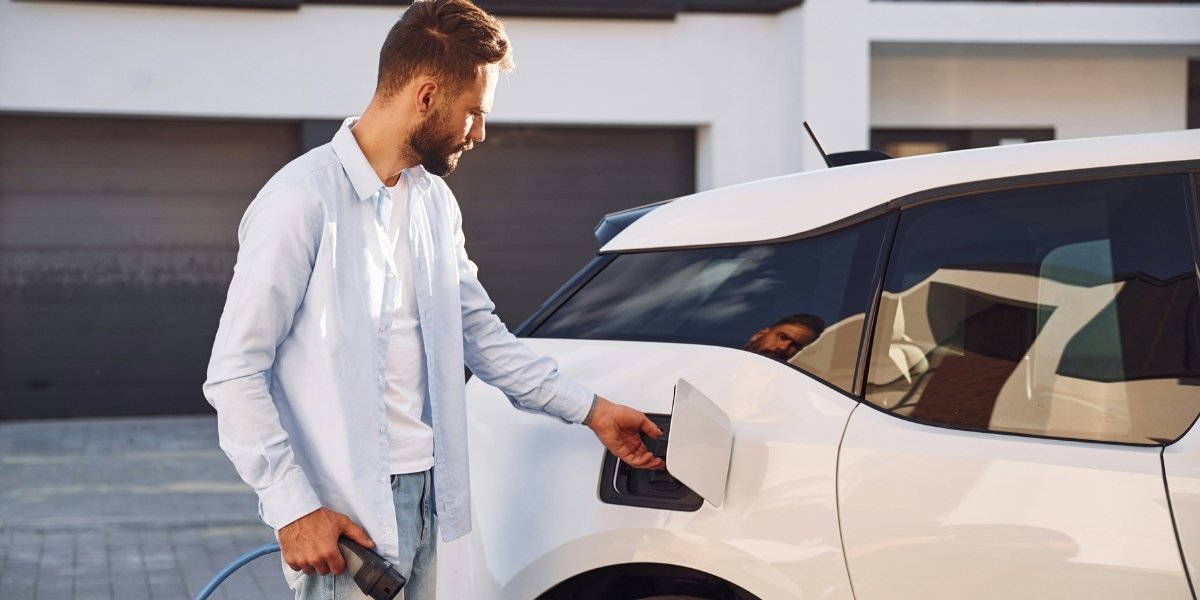
Photo Credit: Unsplash.com
The electric car market in California is changing quickly. New models from Ford, Kia, BMW, and startups like Rivian and Lucid are entering the scene, offering more choices across price points and performance levels. Federal tax credits and manufacturer incentives continue to shape buyer behavior, although availability may vary based on income and vehicle type.
For a broader look at policy and infrastructure developments, this feature on California’s evolving EV landscape explores how the state is adapting to increased demand. Climate goals, consumer interest, and innovation all play a role in shaping the future of electric transportation.
Making the Switch
Before purchasing an electric car, Californians should consider their driving habits, access to charging, and eligibility for incentives. Urban drivers with short commutes may benefit most from reduced fuel and maintenance costs, while rural residents should assess charging availability in their area.
Test-driving multiple models, reviewing total cost of ownership, and speaking with current EV owners can provide valuable insight. Dealerships and online forums offer resources for comparing range, features, and warranty coverage. Whether buying new or used, the decision to switch to an electric car involves both practical and personal factors.
Electric car ownership in California introduces new cost dynamics across fuel, maintenance, and incentives. With expanding infrastructure, evolving technology, and growing market options, more residents are exploring the shift. By understanding the financial landscape and available resources, Californians can make decisions that align with their lifestyle and long-term goals.


