









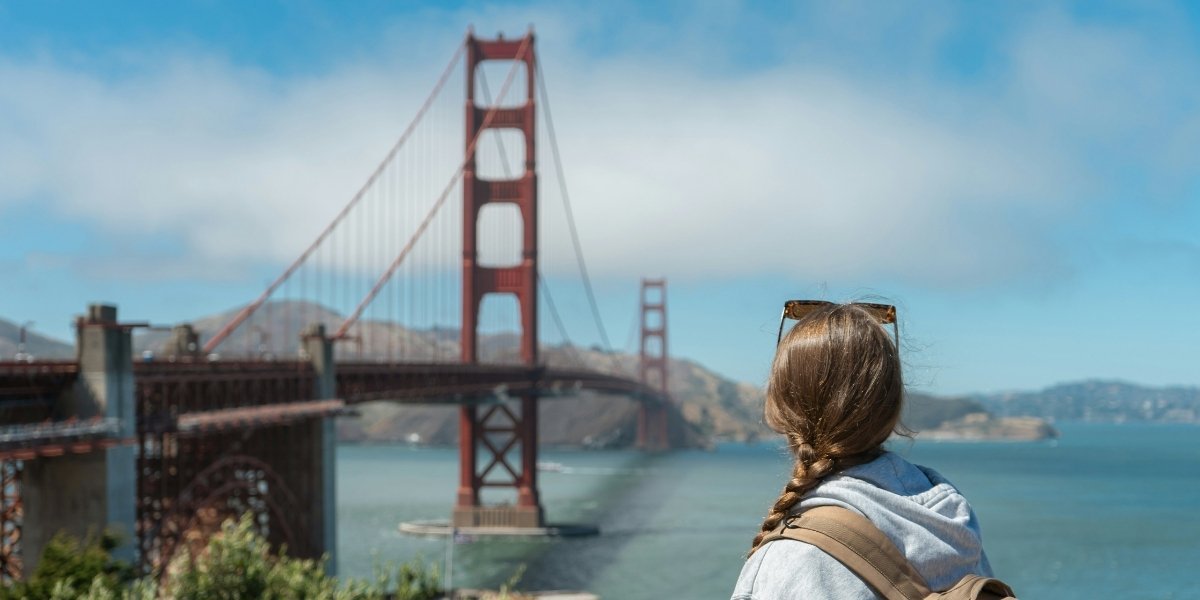
San Francisco’s architectural heritage is more than aesthetic, it is a living archive of the city’s resilience, creativity, and cultural evolution. From Beaux-Arts monuments to Victorian row houses, the city’s built environment reflects its layered history. Preserving these structures is not just about nostalgia. It is about maintaining civic identity in a rapidly changing urban landscape.
In neighborhoods like Pacific Heights and the Mission District, preservation efforts have helped maintain architectural character while adapting buildings for modern use. These efforts require collaboration among historians, architects, city planners, and community advocates. The goal is to ensure that San Francisco’s landmarks remain relevant without losing their soul.
The Palace of Fine Arts: Myth, Memory, and Restoration
One of the city’s most iconic structures, the Palace of Fine Arts, stands as a testament to architectural endurance. Originally built for the 1915 Panama-Pacific International Exposition, the Palace was never intended to be permanent. Yet its classical rotunda and colonnades became so beloved that the city chose to preserve and reconstruct it.
Beyond its visual grandeur, the Palace carries layers of myth and mystery. Local lore speaks of a hidden room beneath the Palace said to contain a relic that awakens on full moon nights. While the tale remains unverified, it adds a folkloric dimension to the site’s cultural significance. Stories like these deepen public interest and emotional connection to architectural heritage, making preservation efforts more compelling.
Today, the Palace serves as both a tourist destination and a venue for community events. Its revival has involved seismic retrofitting, landscape restoration, and ongoing maintenance, all part of a broader strategy to preserve San Francisco’s architectural icons while keeping them accessible and safe.
Golden Gate Park: Cultural Activation Through Architecture
Golden Gate Park is another example of how architectural heritage can be preserved and activated. Originally designed in the 19th century to rival New York’s Central Park, the site blends natural beauty with historic structures like the Conservatory of Flowers and the de Young Museum.
In recent years, the park has become a hub for cultural programming. Large-scale concerts and festivals have transformed it into an economic engine for the city. Events like Outside Lands have generated millions in revenue while drawing attention to the park’s architectural and ecological assets.
This dual role, as both a heritage site and a contemporary venue, illustrates how preservation can coexist with innovation. However, it also raises questions about sustainability, noise, and community impact. Balancing economic benefits with environmental stewardship is essential to maintaining the integrity of Golden Gate Park’s historic landscape.
Preservation as Economic Strategy
Preserving architectural heritage is not just a cultural imperative. It is also an economic strategy. Restored landmarks attract tourism, support local businesses, and increase property values. In San Francisco, heritage tourism contributes significantly to the city’s economy, especially in districts like North Beach and Chinatown where historic architecture is central to the visitor experience.
Adaptive reuse projects, where old buildings are repurposed for new functions, are gaining traction. Former warehouses become art galleries. Historic theaters host tech conferences. These transformations honor the past while serving present needs, proving that preservation can be both profitable and progressive.
Challenges in Preservation Policy
Despite its benefits, architectural preservation faces challenges. Zoning laws, funding limitations, and development pressures often complicate efforts. In high-demand areas like SoMa and the Tenderloin, historic buildings are at risk of demolition or neglect due to rising land values and limited incentives for restoration.
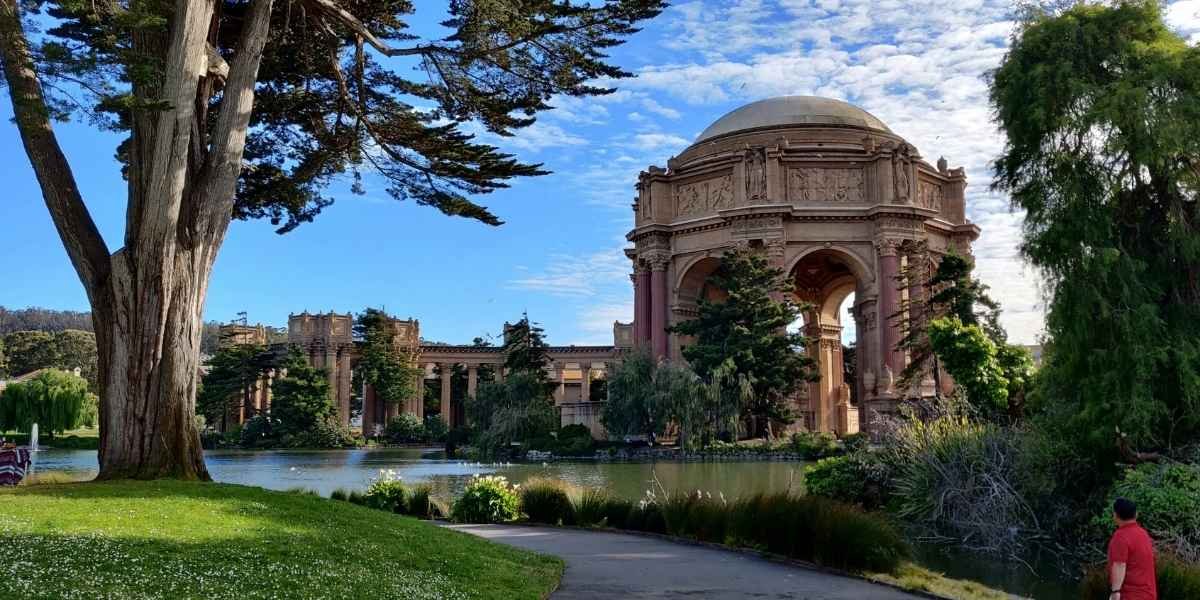
Photo Credit: Unsplash.com
Preservation advocates argue for stronger policy frameworks, including tax credits, grants, and stricter demolition review processes. They also call for more inclusive definitions of heritage, ones that recognize not just grand monuments but everyday structures that reflect the lived experiences of diverse communities.
Public education plays a role here. When residents understand the value of architectural heritage, they are more likely to support preservation initiatives. Community tours, school programs, and digital archives can help build this awareness.
Architectural Heritage and Climate Resilience
Preservation is also intersecting with climate resilience. San Francisco’s coastal location makes it vulnerable to sea-level rise and seismic activity. Historic buildings, many of which were not designed with these threats in mind, require retrofitting and environmental adaptation.
Green preservation practices are emerging. These include using sustainable materials, improving energy efficiency, and integrating climate modeling into restoration plans. By aligning heritage conservation with environmental goals, San Francisco can protect its landmarks while preparing for future challenges.
Tips for Supporting Preservation Locally
Residents and visitors alike can play a role in preserving architectural heritage. Here are a few ways to get involved:
- Support local preservation groups: Many nonprofits work to protect historic buildings and educate the public.
- Attend public hearings: Voice support for preservation-friendly zoning and development policies.
- Visit and share: Frequenting historic sites and sharing their stories helps build cultural value.
- Volunteer for restoration projects: Hands-on involvement fosters deeper appreciation and impact.
- Document and archive: Photographing and researching local architecture contributes to historical records.
These actions help ensure that San Francisco’s architectural legacy remains vibrant and visible.
Looking Ahead: A City Built on Memory and Innovation
San Francisco’s architectural heritage is not static. It is a dynamic interplay of memory, myth, and modernity. From the mysterious chambers beneath the Palace of Fine Arts to the concert-filled lawns of Golden Gate Park, the city’s landmarks tell stories that span centuries.
Preservation is not about freezing time. It is about honoring history while making space for new narratives. As San Francisco continues to evolve, its commitment to architectural heritage will shape how it grows, thoughtfully, inclusively, and with reverence for the structures that have stood the test of time.


