




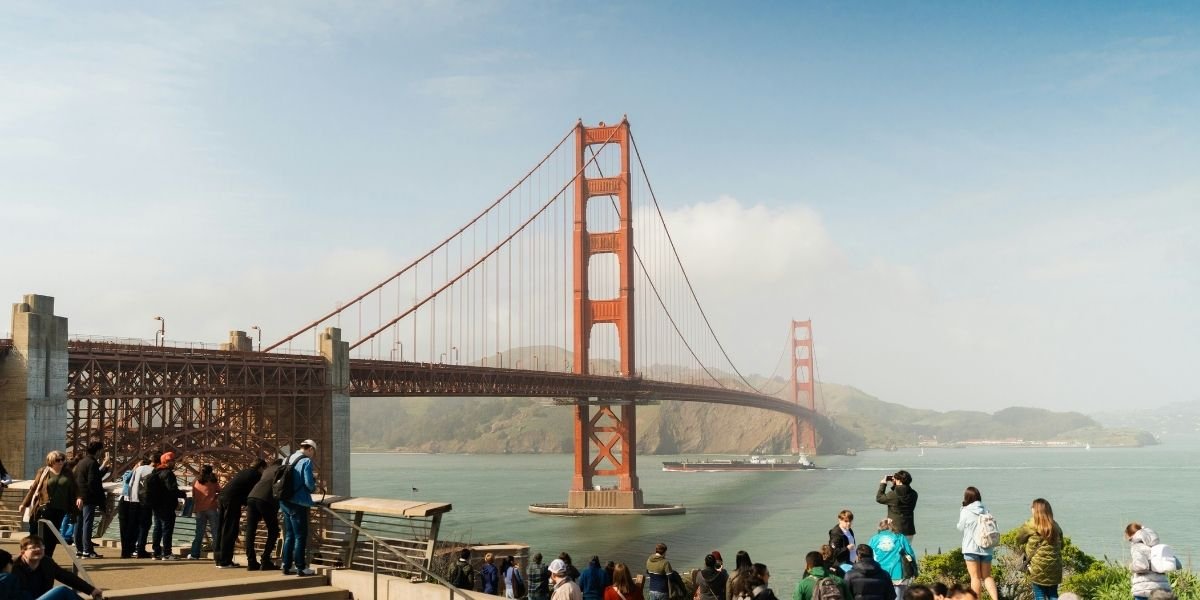





San Francisco is no stranger to environmental challenges, but the threat of rising seas is pushing the city to rethink how it protects its people, infrastructure, and shoreline. Climate resilience isn’t just a buzzword, it’s a long-term strategy that’s shaping how neighborhoods adapt, how policies evolve, and how communities prepare for a future that’s already unfolding.
Sea level rise projections for the Bay Area range from three to six feet by the end of the century, with some models suggesting even higher surges during extreme weather events. That kind of change doesn’t just affect the waterfront, it reaches into inland neighborhoods, transit systems, and housing developments. For a city built on innovation and activism, the challenge is clear: how to adapt without leaving anyone behind.
Infrastructure Is Being Reimagined for Long-Term Protection
One of the most visible signs of climate resilience in San Francisco is the transformation of its shoreline. Engineers and planners are working to reinforce seawalls, redesign piers, and elevate critical infrastructure. These efforts aren’t just about holding back water, they’re about creating flexible systems that can respond to changing conditions over time.
In some areas, flood barriers are being paired with green infrastructure like wetlands and tidal marshes. These natural buffers help absorb storm surges while supporting biodiversity. Elsewhere, transit hubs and utility corridors are being retrofitted to withstand temporary inundation, ensuring that essential services remain operational even during high tides or storm events.
The city’s capital planning documents now include sea level rise assessments as a standard part of project development. That means every new investment, from road repairs to park renovations, must account for future climate risks. It’s a shift in mindset that prioritizes durability and adaptability over short-term fixes.
Neighborhoods Face Uneven Risks, and Uneven Resources
Not all parts of San Francisco are equally vulnerable to rising seas. Low-lying areas near the bay, especially those with older infrastructure or limited drainage, face higher risks of flooding. These neighborhoods often house working-class families, seniors, and renters, groups that may lack the resources to relocate or retrofit their homes.
This disparity has sparked conversations about equity and access. Climate resilience isn’t just about building stronger walls, it’s about making sure every resident has the tools and support to weather environmental change. That includes affordable housing, emergency preparedness, and community-driven planning.
Affordability plays a central role in this conversation. As affordability is key to San Francisco’s climate goals, city leaders are exploring ways to integrate climate adaptation into housing policy. That might mean prioritizing flood-safe construction in new developments, offering incentives for retrofitting older buildings, or expanding access to insurance and emergency funds.
Community Engagement Is Driving Local Solutions
San Francisco’s climate resilience efforts aren’t happening in a vacuum. Residents, advocacy groups, and neighborhood organizations are actively shaping the city’s response to rising seas. From public workshops to shoreline cleanups, community involvement is helping ensure that adaptation strategies reflect local needs and values.
Some neighborhoods have launched their own resilience plans, identifying vulnerable assets and proposing solutions tailored to their geography and demographics. These grassroots efforts often focus on education, emergency response, and mutual aid, tools that build social cohesion alongside physical protection.
Feedback from residents has also influenced citywide planning. As community reactions to San Francisco’s climate action plans show, people want transparency, accountability, and meaningful participation. They’re asking tough questions about funding, timelines, and enforcement, and they’re pushing for policies that prioritize long-term resilience over short-term optics.
Policy Is Evolving to Meet the Challenge
San Francisco’s climate policies are becoming more comprehensive and forward-looking. The city’s Sea Level Rise Vulnerability Zone now informs zoning decisions, permitting processes, and emergency planning. This zone includes areas most likely to experience flooding, and it’s used to guide development and infrastructure upgrades.

Photo Credit: Unsplash.com
Local agencies are also coordinating across departments to align climate goals with transportation, housing, and public health. That kind of integration helps avoid siloed solutions and ensures that resilience is built into every aspect of city life.
One example is the inclusion of sea level rise in capital planning. Projects must now undergo vulnerability assessments that consider future flooding scenarios, groundwater rise, and storm surge impacts. These assessments influence design choices, budget allocations, and long-term maintenance plans.
The city is also exploring nature-based solutions, such as restoring wetlands and creating living shorelines. These approaches offer dual benefits: they protect against flooding while enhancing ecological health. They’re especially valuable in areas where traditional infrastructure may be too costly or disruptive.
Resilience Is a Shared Responsibility
Preparing for rising seas isn’t just the city’s job, it’s a collective effort that involves residents, businesses, and regional partners. Property owners are being encouraged to assess their flood risk and consider upgrades like elevated foundations, permeable landscaping, and backup power systems. Tenants are learning how to prepare for emergencies, protect their belongings, and advocate for safer housing.
Regional collaboration is also key. San Francisco is working with neighboring cities, counties, and state agencies to coordinate shoreline protection, share data, and align funding strategies. Events like the Bay Adapt Summit bring together scientists, planners, and community leaders to exchange ideas and celebrate progress.
Still, challenges remain. Funding is limited, timelines are long, and climate impacts are accelerating. For many residents, the uncertainty can feel overwhelming. Rising seas aren’t just a distant threat, they’re a daily concern that affects housing, transportation, and peace of mind.
That’s why empathy matters. Climate resilience isn’t just about technical solutions, it’s about understanding the stress, fear, and frustration that come with environmental change. It’s about listening to communities, honoring lived experience, and building systems that support everyone, not just those with the loudest voices or deepest pockets.


