





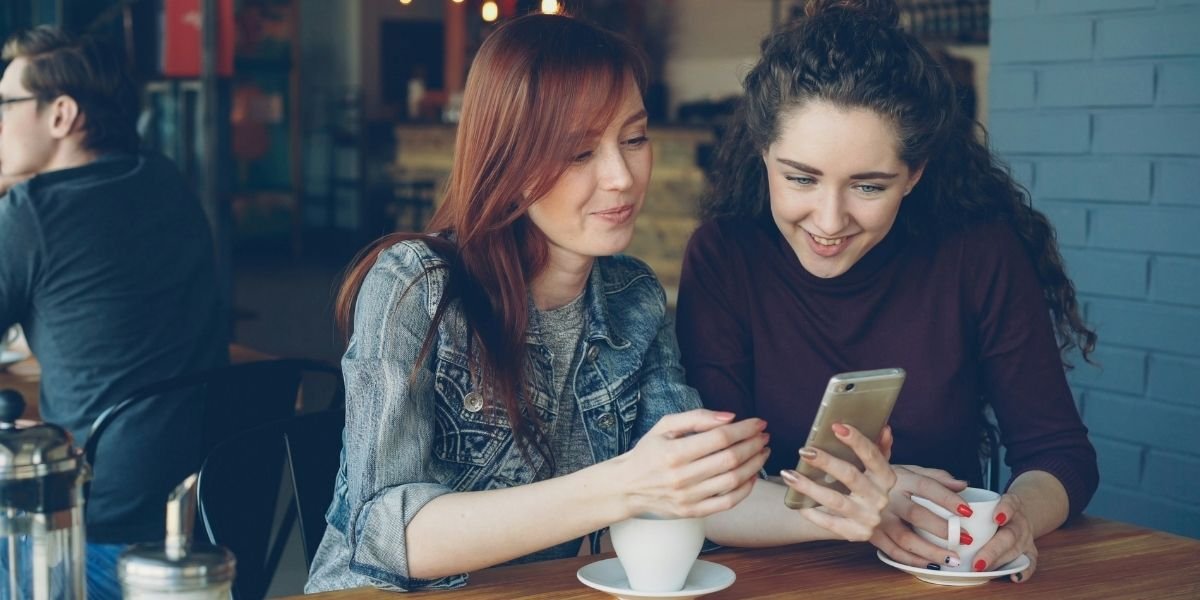
Social media has become second nature in San Francisco. It’s how people share updates, discover events, and build careers. But beneath the likes and reposts, something quieter is happening: a shift in how people connect, not just online, but in real life.
In a city known for its innovation and cultural depth, the impact of social media on human connection is starting to show. From Mission cafés to Marina rooftops, conversations are shorter, eye contact is rarer, and the line between digital presence and emotional presence is getting harder to define.
Connection Is Changing, And People Feel It
Ask anyone who’s lived in San Francisco long enough, and they’ll tell you the vibe has changed. It’s not just the tech boom or the housing crunch, it’s the way people relate to each other. Social media has made it easier to stay in touch, but harder to stay present.
A recent study from the California Learning Resource Network highlighted how platforms like Instagram and TikTok have reshaped interaction patterns. People are more likely to document a moment than fully experience it. That shift, while subtle, has real consequences for intimacy, trust, and emotional depth.
Locals say they feel more connected to their online circles than their neighbors. And while that might work for networking, it doesn’t always translate to meaningful relationships. The city’s designers are already responding, with new apps focused on deeper engagement and less swiping.
Social Media’s Role in Everyday Isolation
It’s not just about screen time, it’s about screen habits. Social media encourages constant comparison, curated personas, and reactive communication. That can make real-life interactions feel slower, messier, and less rewarding by contrast.
In San Francisco’s fast-paced social scene, this dynamic is especially visible. People bounce between events, often more focused on capturing content than connecting with others. The pressure to perform online can leave little room for vulnerability offline.
What’s more, the city’s culture of ambition and visibility adds another layer. Whether it’s a product launch in SoMa or a poetry reading in the Mission, there’s often an unspoken expectation to post, tag, and engage. That expectation can turn even casual gatherings into performance spaces, where presence is measured in impressions rather than intimacy.
This shift has also changed how people experience solitude. Moments that might once have been used for reflection, waiting for a bus, walking through Golden Gate Park, are now filled with scrolling. The constant stream of updates can create a sense of connection, but it often lacks the emotional depth that comes from real-time, face-to-face interaction.
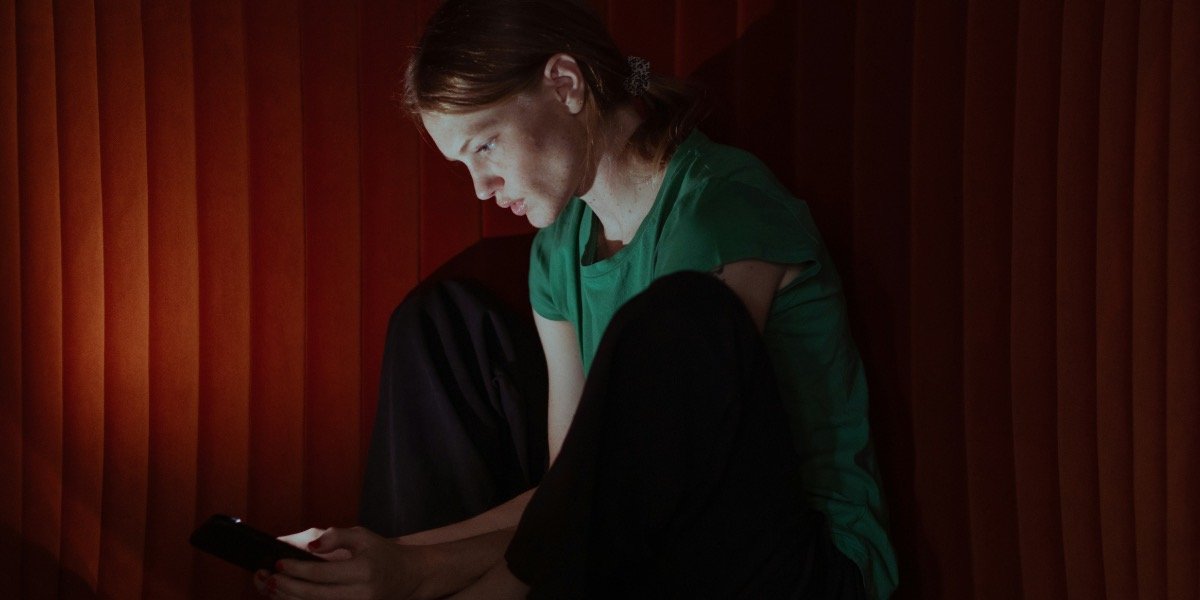
Photo Credit: Unsplash.com
This tension is familiar to those navigating social anxiety. While some platforms offer tools for connection, they can also amplify discomfort. The curated nature of social media can make others appear effortlessly social, deepening feelings of inadequacy or exclusion. That’s why guides like this one on navigating social spaces with anxiety have gained traction, they reflect a growing need for support in a city that’s always “on.”
Even in shared spaces like cafés or coworking hubs, the presence of social media can create invisible walls. People may sit side by side, headphones in, phones out, never exchanging a word. It’s not that the desire for connection is gone, it’s that the default behaviors have shifted. And in a city as digitally fluent as San Francisco, those shifts are subtle but powerful.
The Rise of Digital Intimacy, and Its Limits
Social media has created new forms of closeness. People share playlists, memes, and late-night thoughts with friends they rarely see in person. That kind of digital intimacy can be comforting, especially during moments of isolation.
But it also has limits. Without physical presence, body language, or shared environments, relationships can feel fragmented. Misunderstandings happen more easily. Emotional nuance gets lost in emojis and reaction buttons.
Some San Franciscans are turning to educational content to rebuild connection. Creators are using platforms to teach empathy, communication, and emotional literacy, topics once reserved for therapy or self-help books. The growth of educational content online shows that people are hungry for more than entertainment, they want tools to reconnect.
Neighborhoods Feel the Shift
The impact of social media isn’t just personal, it’s communal. In neighborhoods like the Tenderloin and Bayview, where community ties have historically been strong, digital habits are changing how people gather, share news, and support each other.
Local organizers say turnout at events has dropped, even when RSVPs are high. People engage online but hesitate to show up in person. That disconnect affects everything from activism to small business support.
Meanwhile, in tech-heavy areas like SoMa, social media is deeply embedded in daily life. Workers use Slack, LinkedIn, and Discord to build networks, often replacing traditional meetups with virtual ones. While efficient, this shift can leave newer residents feeling disconnected from the city’s cultural roots.
Generational Differences Are Widening
Older San Franciscans often describe social media as a tool, while younger residents see it as a space. That difference matters. It shapes how people approach relationships, conflict, and even identity.
Gen Z users, for instance, are more likely to form friendships entirely online. They’re fluent in digital cues and comfortable expressing themselves through posts and stories. But that fluency doesn’t always translate to offline confidence.
At the same time, older generations may struggle to keep up with evolving norms. They might misread tone, miss context, or feel excluded from conversations happening on platforms they don’t use. This generational gap can create friction, especially in families and workplaces.
San Francisco’s diversity makes these tensions more visible. The city is home to artists, engineers, activists, and entrepreneurs, all navigating social media in different ways. That variety is a strength, but it also requires intentional effort to bridge divides.
Rebuilding Connection in a Digital City
Despite the challenges, San Francisco is uniquely positioned to lead the way in redefining connection. The city’s creative energy, tech expertise, and community spirit offer a foundation for change.
Designers are already experimenting with apps that prioritize voice, storytelling, and guided interaction. Local nonprofits are hosting offline events that encourage presence over performance. Schools are teaching digital citizenship alongside traditional subjects.
There’s no single fix for the cost of social media on human connection. But there are ways to balance it. That means choosing platforms that support well-being, setting boundaries around screen time, and making space for offline relationships.
In a city that’s always looking ahead, the next chapter of connection won’t be about abandoning social media, it’ll be about using it differently. More intentionally. More humanly.


