










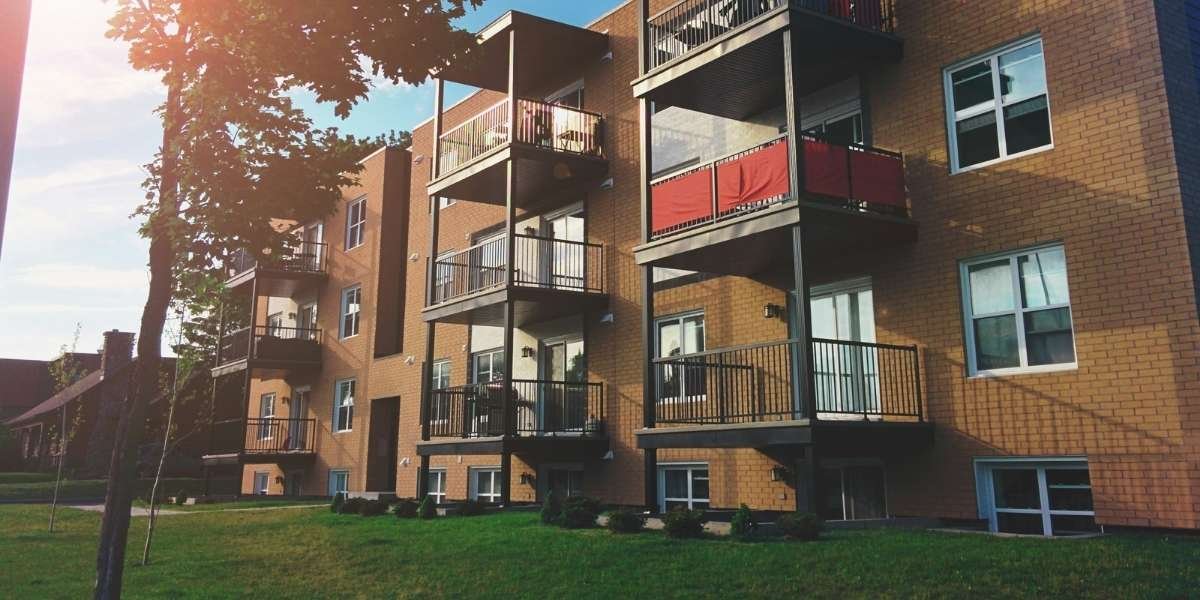
San Francisco supportive housing repairs received a financial boost after Mayor Daniel Lurie secured $7 million in private donations to address maintenance needs at dozens of residential properties serving formerly homeless residents. The funding will support repairs and upgrades at 63 supportive housing buildings across the city during a year in which the municipal budget does not include dedicated capital improvement funding for those properties.
The newly secured funding package is intended to address deferred maintenance issues that have accumulated in buildings operated through San Francisco’s supportive housing network. City officials said the investment will help improve living conditions for residents while preserving housing stock that serves people transitioning out of homelessness.
Supportive housing properties play a central role in San Francisco’s homelessness response system. The buildings provide permanent housing paired with services designed to help residents maintain stability and avoid returning to homelessness. Many of the properties are older structures that require ongoing maintenance to remain functional and safe for occupants.
Supportive Housing Buildings Targeted for Repairs
The $7 million will be directed toward capital improvements at 63 supportive housing sites distributed throughout San Francisco. Planned work includes building repairs, infrastructure upgrades, and projects aimed at improving safety and habitability for residents.
City officials have indicated that many supportive housing properties face maintenance backlogs resulting from years of limited capital investment. Deferred repairs can affect building systems, common areas, and residential units, creating challenges for property operators and residents alike.
The private funding is expected to help address some of the most pressing needs identified across the portfolio. By focusing on physical improvements, the city aims to preserve housing units that are already part of its homelessness response strategy rather than risking further deterioration of existing properties.
Supportive housing providers have long emphasized the importance of maintaining facilities in addition to funding services and operations. Property upkeep is considered a critical component of ensuring residents can remain housed in stable environments.
Private Donations Fill a Budget Gap
The fundraising effort comes during a budget cycle in which San Francisco does not have dedicated public funding available for supportive housing capital improvements. Officials have acknowledged that budget constraints have limited the city’s ability to fund major repair projects through traditional public sources.
The private donations were assembled through partnerships with philanthropic organizations and donors willing to support housing preservation efforts. The contribution represents one of the largest recent private investments specifically directed toward supportive housing infrastructure in the city.
Local governments across California have faced financial pressures related to rising costs, competing spending priorities, and uncertainty surrounding future revenue projections. Within that environment, capital projects are often more vulnerable to delays when budgets tighten.
By obtaining private support, city leaders were able to secure resources without waiting for future budget allocations. The funding provides an immediate source of capital that can be deployed toward identified repair needs.
The initiative also reflects an effort to involve philanthropic partners in addressing housing-related challenges that extend beyond new housing production. Maintaining existing supportive housing inventory has become an increasingly important issue as cities seek to preserve affordable and service-enriched housing options.
Mayor Lurie Prioritizes Existing Housing Stock
Since taking office, Daniel Lurie has identified homelessness and housing stability as major priorities for his administration. The effort to secure repair funding aligns with broader goals focused on improving outcomes for residents already living in supportive housing.
Rather than concentrating exclusively on creating additional housing units, the initiative directs attention toward preserving properties that are already serving vulnerable populations. Officials have noted that maintaining existing housing can help prevent disruptions that may occur when buildings fall into disrepair.
Housing advocates have frequently argued that supportive housing investments should include resources for long-term maintenance. While operating funds and resident services often receive significant attention, building conditions can directly affect residents’ quality of life and housing stability.
The newly announced funding is expected to support projects that improve functionality and extend the useful life of existing properties. City agencies and housing operators will work together to determine project priorities and implementation timelines.
Officials have stated that preserving supportive housing assets is an essential component of ensuring long-term housing availability for people exiting homelessness. Investments in repairs can help avoid more costly rehabilitation projects in the future.
Role of Supportive Housing in San Francisco’s Homelessness Strategy
San Francisco has invested heavily in supportive housing over the past several decades as part of its response to chronic homelessness. The model combines permanent housing with access to social services, behavioral health support, and case management.
Supportive housing is widely used to help individuals who have experienced prolonged periods of homelessness or who face additional barriers to maintaining stable housing. Residents typically receive assistance tailored to their individual needs while living independently in permanent housing units.
The city’s supportive housing network includes a range of properties operated by nonprofit organizations and housing providers under agreements with local government agencies. These organizations are responsible for day-to-day management and maintenance of the buildings.
Building conditions remain an important factor in the effectiveness of supportive housing programs. Well-maintained properties can contribute to resident stability, while deferred maintenance may create operational challenges and affect quality of life.
The newly secured funding is intended to strengthen the physical condition of housing assets already serving thousands of residents. By directing resources toward repairs and upgrades, city officials hope to preserve existing capacity within the supportive housing system.


