Wonders Await, Alex Krawczyk Finds Strength in Stillness

By: Melissa Morris

There is a peculiar kind of courage required to make an album like Wonders Await. In a cultural moment that rewards volume, immediacy, and spectacle, Alex Krawczyk has chosen patience instead. Her second album doesn’t demand attention so much as invite it, unfolding slowly and deliberately, as though every note has been placed exactly where it belongs.

That’s a risky proposition. It’s also what makes the record so compelling.

The best contemporary folk music has always existed in conversation with the world around it. From Joni Mitchell’s introspective landscapes to Brandi Carlile’s emotionally expansive storytelling, the genre’s most enduring artists understand that the personal and the universal are rarely far apart. Krawczyk clearly belongs to that tradition, though she approaches it in a way that feels distinctly her own.

Produced by Robbie Roth, Wonders Await expands the sonic world Krawczyk introduced on her debut, embracing elements of Americana, roots music, and modern folk without ever allowing those influences to overwhelm the songs themselves. Instead, they become textures in a much larger emotional tapestry.

The album opens with “Falling in Love,” a song that immediately establishes Krawczyk’s greatest strength as a writer: her willingness to be completely sincere. There is no cleverness for its own sake, no ironic detachment, no attempt to hide behind ambiguity. In an age when cynicism is often mistaken for wisdom, Krawczyk offers vulnerability as an act of faith.

That spirit runs throughout the album.

“When the Road Is Uneven” is both an acknowledgment of life’s unpredictability and a declaration of perseverance. The arrangement rises and falls with remarkable subtlety, allowing the song’s emotional center to remain intact. It isn’t a song about conquering obstacles as much as learning how to move alongside them.

Then there is “Like the Passing Clouds,” perhaps the album’s emotional cornerstone. The song examines mindfulness, acceptance, and the strange, often uncomfortable process of allowing ourselves to experience emotions without trying to control them. Krawczyk’s voice is perfectly suited to the material. She doesn’t perform these songs so much as inhabit them, delivering each line with a warmth that feels both intimate and inviting.

Again and again, Wonders Await returns to the idea that healing isn’t linear. The ocean imagery that appears in songs such as “The Beach Song” and “West Coast” serves as both setting and metaphor. Water is constantly moving, constantly reshaping itself while somehow remaining whole. Krawczyk seems drawn to that contradiction.

The title track may be the album’s clearest expression of her philosophy. Rather than promising certainty, “Wonders Await” embraces possibility. It suggests that fulfillment often arrives quietly, disguised as ordinary moments that reveal their significance only in hindsight.

Throughout the record, Roth’s production choices reinforce that sense of emotional openness. Acoustic guitars shimmer softly beneath Krawczyk’s vocals. Horns appear and disappear like passing thoughts. Harmonies swell gently before receding into the background. Nothing feels rushed. Nothing feels excessive.

That patience extends to Krawczyk’s storytelling. “Payphone” unfolds with the cinematic quality of a cherished memory, while “Love Through Sound” celebrates music’s ability to create community in an increasingly fragmented world. Even the closing track, “Carry On,” resists the temptation to offer easy resolutions. Life continues, the song seems to say, and so do we.

Krawczyk’s career has developed with a similar sense of purpose. Four Top 20 singles on the UK iTunes charts, a No. 1 National Radio Hits AIRPLAY single with “There Will Be Light,” and a nomination for Best New Artist at the Canadian Folk Music Awards have all brought well-deserved recognition. Yet success appears to have strengthened rather than altered her artistic vision.

Perhaps that’s because her music has never been about reaching the largest possible audience. It has always been about finding the people who need these songs.

There is a generosity at the heart of Wonders Await. Krawczyk isn’t interested in telling listeners what to think or how to feel. Instead, she creates space for reflection, grief, joy, gratitude, and hope to exist simultaneously.

That may be the album’s greatest achievement. It reminds us that stillness isn’t the absence of movement. Sometimes, it’s the place where transformation begins. And in Alex Krawczyk’s hands, even the quietest moments can feel extraordinary.
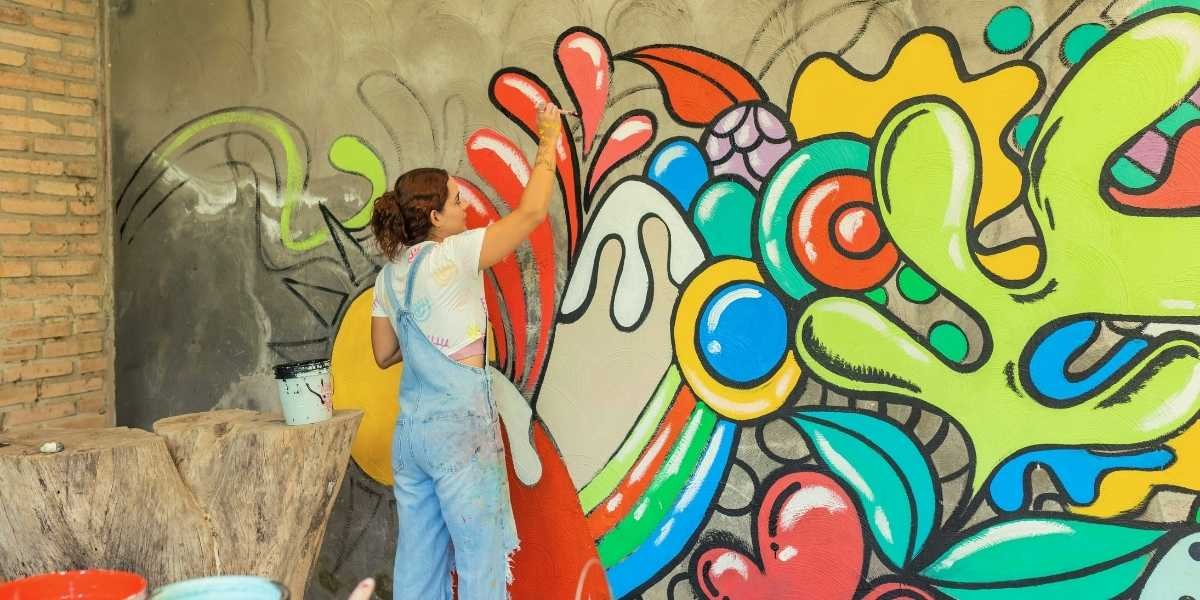

San Francisco Approves Minna Natoma Art Corridor Project

San Francisco has approved the Minna Natoma Art Corridor, a permanent public art project that will connect SFMOMA, Yerba Buena Gardens, and the Transbay area. The initiative combines streetscape improvements with installations by Bay Area artists to create a safer and more engaging pedestrian route.

Key Takeaways

  • San Francisco approved the permanent Minna Natoma Art Corridor.
  • The project connects SFMOMA, Yerba Buena Gardens, and the Transbay area.
  • Permanent public art will be integrated into streets and street furniture.
  • Streetscape upgrades include wider sidewalks, raised crosswalks, lighting, and traffic improvements.
  • Installation of the artwork is expected to begin in spring 2027.

San Francisco’s public art corridor received final design approval from the San Francisco Arts Commission, allowing the Minna Natoma Art Corridor to move forward as part of the city’s streetscape improvements in the South of Market neighborhood. The project brings together San Francisco Public Works, the San Francisco Museum of Modern Art (SFMOMA), and the Yerba Buena Partnership to create a pedestrian connection between the Transbay area and Yerba Buena Gardens through permanent public art and infrastructure upgrades. 

San Francisco Public Art Corridor Expands Through the SoMa Project

The Minna Natoma Art Corridor forms part of the broader Minna Natoma Streetscape Project, which covers two one-way alley corridors running parallel to Mission and Howard streets. The route links New Montgomery Street with Third Street while improving pedestrian access to nearby cultural destinations, including SFMOMA. 

The corridor is intended to provide a safer and more inviting pedestrian experience between the Salesforce Transit Center area and Yerba Buena Gardens. City planners incorporated permanent artwork into the streetscape rather than treating it as a separate installation, allowing artistic elements to become part of the public infrastructure. 

The project also builds upon existing public art already found along Minna Street, including murals and Leah Rosenberg’s “Local Color” installation near New Montgomery Street. The new corridor is designed to complement these works while extending the area’s visual identity farther into the neighborhood, alongside events such as the San Francisco International Arts Festival.

Minna Natoma Streetscape Project Includes Permanent Art Installations

Inlaid Asphalt Artwork Across the Corridor

The approved design incorporates approximately 800 feet of inlaid asphalt artwork embedded directly into the roadway. The colorful paving patterns will become a permanent part of the street rather than temporary installations, creating a continuous visual experience for pedestrians. 

Artist-Designed Street Furniture

The project also introduces sculptural street furniture, including benches, bicycle racks and bollards designed as functional works of public art. These elements will be integrated throughout the corridor alongside the paving designs to create a consistent streetscape. 

Public Works stated that the artistic improvements will accompany broader infrastructure upgrades already planned for the corridor. Those improvements include widened sidewalks along portions of Minna and Natoma streets, raised pedestrian crosswalks, upgraded traffic signals and enhanced lighting intended to improve safety and accessibility. 

Bay Area Artists Selected for the Corridor Design

San Francisco Approves Minna Natoma Art Corridor Project

Photo Credit: Unsplash.com

Five Bay Area artists were selected through a competitive public art process that began several years before the project’s final approval. The Arts Commission coordinated the artist selection process in partnership with Public Works, SFMOMA and the Yerba Buena Community Benefit District.

Barbara Stauffacher Solomon, Mel Vera Cruz and Muzae Sesay will contribute designs incorporated into the corridor’s street paving.

Jesse Schlesinger and Masako Miki will design sculptural street furniture that will become permanent features of the public space. The approval also adds to recent investments in San Francisco’s cultural venues, including the Clay Theater restoration project. 

The project partners stated that artists worked alongside engineers and design teams so their concepts could be incorporated into construction documents while meeting long-term maintenance requirements. 

Infrastructure Improvements Accompany the Public Art Project

The streetscape project extends beyond public art by modernizing infrastructure throughout the corridor. Planned improvements include utility work, sewer upgrades, lighting improvements and pedestrian safety enhancements designed to improve movement between downtown destinations. 

The overall streetscape budget totals approximately $8.5 million and is supported through development impact fees and the Transit Center District benefit funding program. The public art component is financed separately through San Francisco’s public art funding mechanisms supported by developer fees and construction allocations administered by Public Works.

Once completed, maintenance responsibilities for the artworks will be managed by the Yerba Buena Partnership rather than becoming part of the city’s Civic Art Collection. 

Installation Timeline and Project Funding Move Forward

Connection Between SFMOMA and Yerba Buena Gardens

Construction of the artwork is expected to begin in spring 2027 after infrastructure work advances through the next phase of the streetscape project. Completion of the permanent installations is anticipated by summer 2027. 

The completed corridor will provide a continuous pedestrian route connecting the Transbay area with Yerba Buena Gardens while improving access to SFMOMA and surrounding cultural destinations. The integrated approach combines transportation improvements with permanent public art to create a redesigned public space within the South of Market neighborhood. 

The project also continues a collaborative effort among San Francisco Public Works, the San Francisco Arts Commission, SFMOMA and the Yerba Buena Partnership to incorporate public art into infrastructure improvements planned for the district. 

Frequently Asked Questions

What is the San Francisco public art corridor?

The San Francisco public art corridor is the Minna Natoma Art Corridor, a permanent public art project that integrates artist-designed paving and street furniture into the Minna Natoma Streetscape Project in the South of Market neighborhood.

Where will the Minna Natoma Art Corridor be located?

The corridor will extend along portions of Minna and Natoma streets between New Montgomery Street and Third Street, connecting the Transbay area with Yerba Buena Gardens near SFMOMA.

Which artists were selected for the project?

Barbara Stauffacher Solomon, Mel Vera Cruz, Muzae Sesay, Jesse Schlesinger and Masako Miki were selected through the San Francisco Arts Commission’s public art process.

What infrastructure improvements are included?

The project includes widened sidewalks, raised crosswalks, new traffic signals, upgraded lighting, utility improvements, artist-designed paving and sculptural street furniture.

When will installation begin?

Installation of the public art is expected to begin in spring 2027, with completion anticipated by summer 2027.

What to Look for in a Wholesale Medical Supply Company Before You Sign a Contract

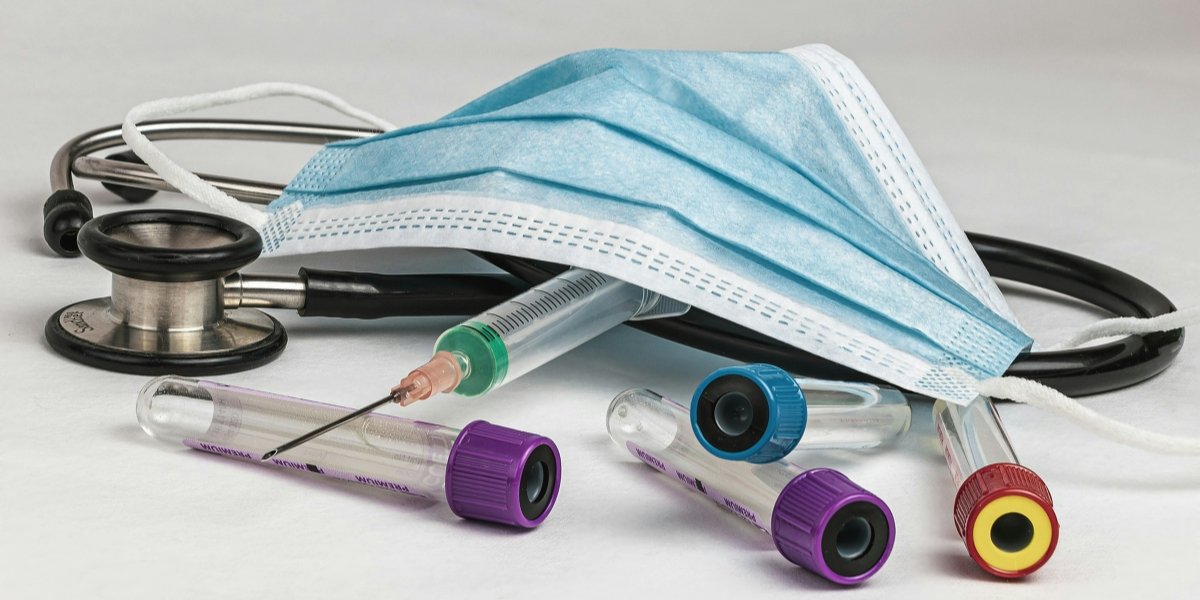
Ask any hospital procurement manager what takes up the most time in their week, and the answer is rarely clinical. It is chasing backorders, reconciling invoices across a dozen different vendors, and managing supplier relationships for products that should simply arrive on schedule without requiring follow-up. Choosing the right wholesale medical supply company upfront is one part of a broader shift in why healthcare providers are rethinking medical supply procurement strategies, but most facilities do not evaluate suppliers rigorously before committing.

The US medical equipment and supplies distribution industry includes more than 10,000 establishments with combined annual revenue of approximately $230 billion, yet pressure to control healthcare expenditures is intensifying price negotiations for wholesalers and prompting customers to consolidate their supplier base, according to First Research industry analysis. With that many options in the market, the challenge is not finding a supplier. It is identifying which one will actually perform consistently once the contract is signed and the relationship moves from sales calls to daily operations.

Photo Courtesy: Unsplash.com

What to Evaluate Before Committing

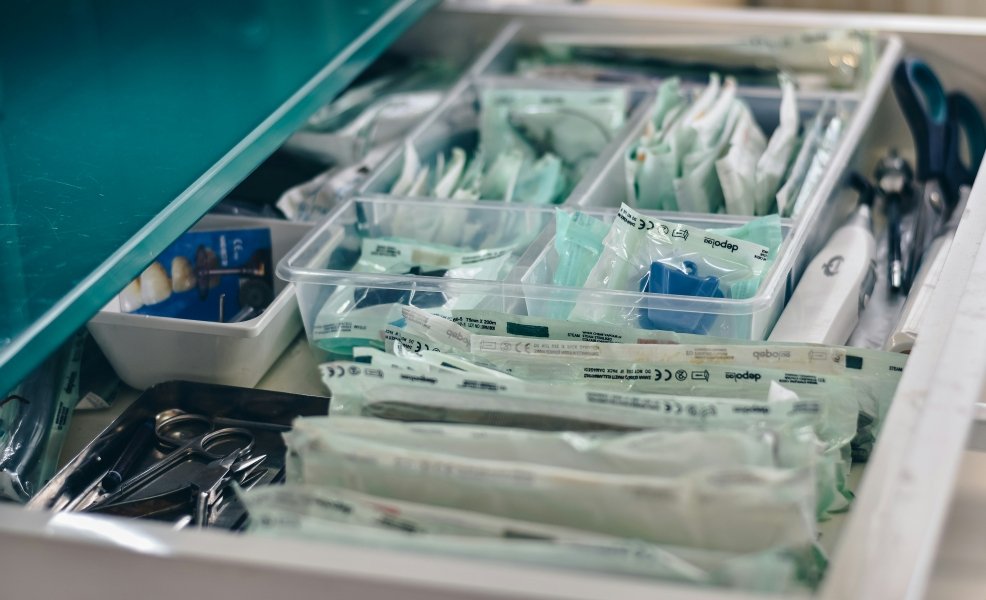
Product Range and Category Depth: A wholesale supplier worth committing to should cover the full breadth of what a facility needs from a single account. At the protective and procedural layer, that means disposable exam gloves in bulk, PPE at wholesale volume, medical gowns, and surgical drapes. At the diagnostic and specimen level, it means specimen collection supplies and surgical instruments sourced through quality-controlled channels. For monitoring and equipment, it means pulse oximeters, patient monitors, and durable medical equipment available without requiring a separate vendor relationship for each category.

A supplier who covers orthopedic supplies alongside sharps containers, specimen collection kits alongside surgical drapes, and PPE alongside DME bulk supplies reduces the number of accounts a procurement team has to manage without sacrificing product availability in any single category.

Pricing Transparency and Custom Quotes: Unit pricing in wholesale medical supply is rarely fixed in the way retail pricing is. Volume discounts, contract pricing, and category-specific negotiations all play a role, and a supplier who is unwilling to provide itemized, customized quotes before a contract is signed is one who will be difficult to work with when pricing disputes arise afterward. Ask for written quotes broken down by product line, and compare not just the headline rate but what is included in the delivery and account management terms.

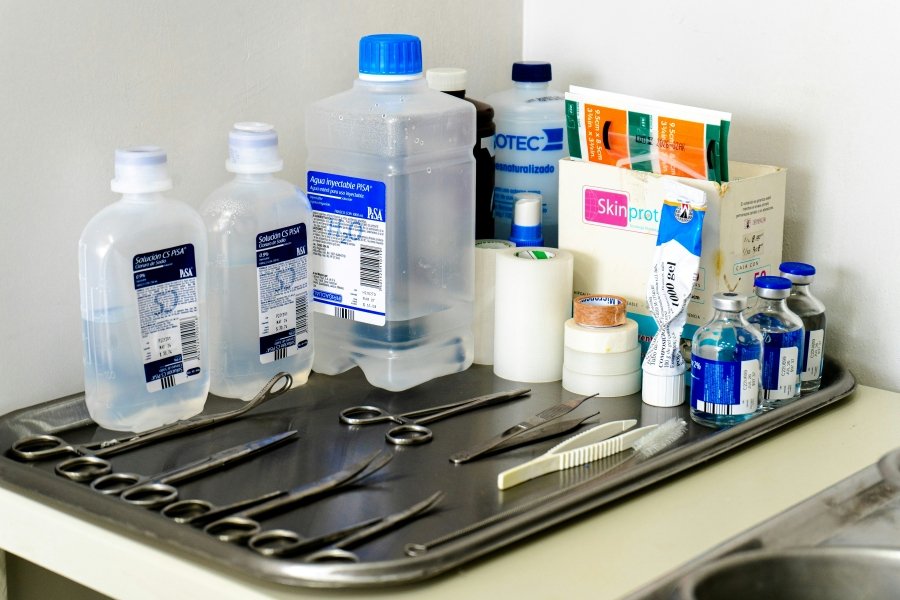
Delivery Reliability and Lead Times: A wholesale supplier who ships reliably on a standard lead time is considerably more valuable than one who offers the lowest unit cost but requires constant follow-up on delayed orders. Confirm what the standard lead time is for high-turnover items like nitrile gloves, underpads, surgical gauze, and exam table paper, as well as what the escalation process is when something ships late or arrives damaged. Next-day delivery availability is worth asking about specifically, since urgent restocking needs arise in every clinical setting regardless of how well the facility plans.

Backorder Handling: How a supplier handles backorders is often more revealing than how they handle routine orders. Ask directly: what happens when a product is temporarily unavailable? Do they notify proactively or wait to be asked? Do they offer a substitution or simply leave the order open? A supplier with a clear, communicative backorder process causes significantly less operational disruption than one who goes silent when availability tightens.

Account Support and Relationship Quality: The size of a supplier’s catalog matters less than the quality of support behind it. A dedicated account contact who knows a facility’s ordering patterns, flags potential supply issues before they become problems, and responds quickly to queries is worth more in daily practice than a lower list price with no one to call when something goes wrong.

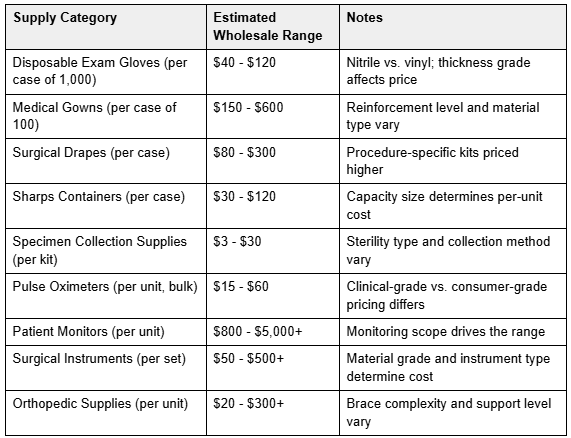
Wholesale Supply Cost Reference by Category

Below is a general cost reference for commonly purchased categories at wholesale volume:

Applying the Checklist

For facilities currently reviewing their sourcing options, HSS Medical Supply is a wholesale medical supply company serving hospitals, clinics, and healthcare providers across New York, North Carolina, New Jersey, and Massachusetts. The company offers a broad selection of durable medical equipment and everyday consumables, along with custom quotes to support ongoing procurement needs across a wide range of medical supply categories.

Photo Courtesy: Unsplash.com

The Contract Is the Beginning, Not the End

Signing with a wholesale supplier is not the finish line. It is the start of an operational relationship that will affect clinical supply availability every week. Facilities that evaluate suppliers rigorously before committing, rather than defaulting to whoever responds first or quotes lowest, are better positioned to catch problems early and to hold a supplier to the terms that were agreed.

The questions above take an hour to ask. The answers save considerably more than that over the life of the contract.